
Drop Ceiling Installation Cost in Northeast Ohio: What Homeowners Should Expect in 2026
8/14/2025
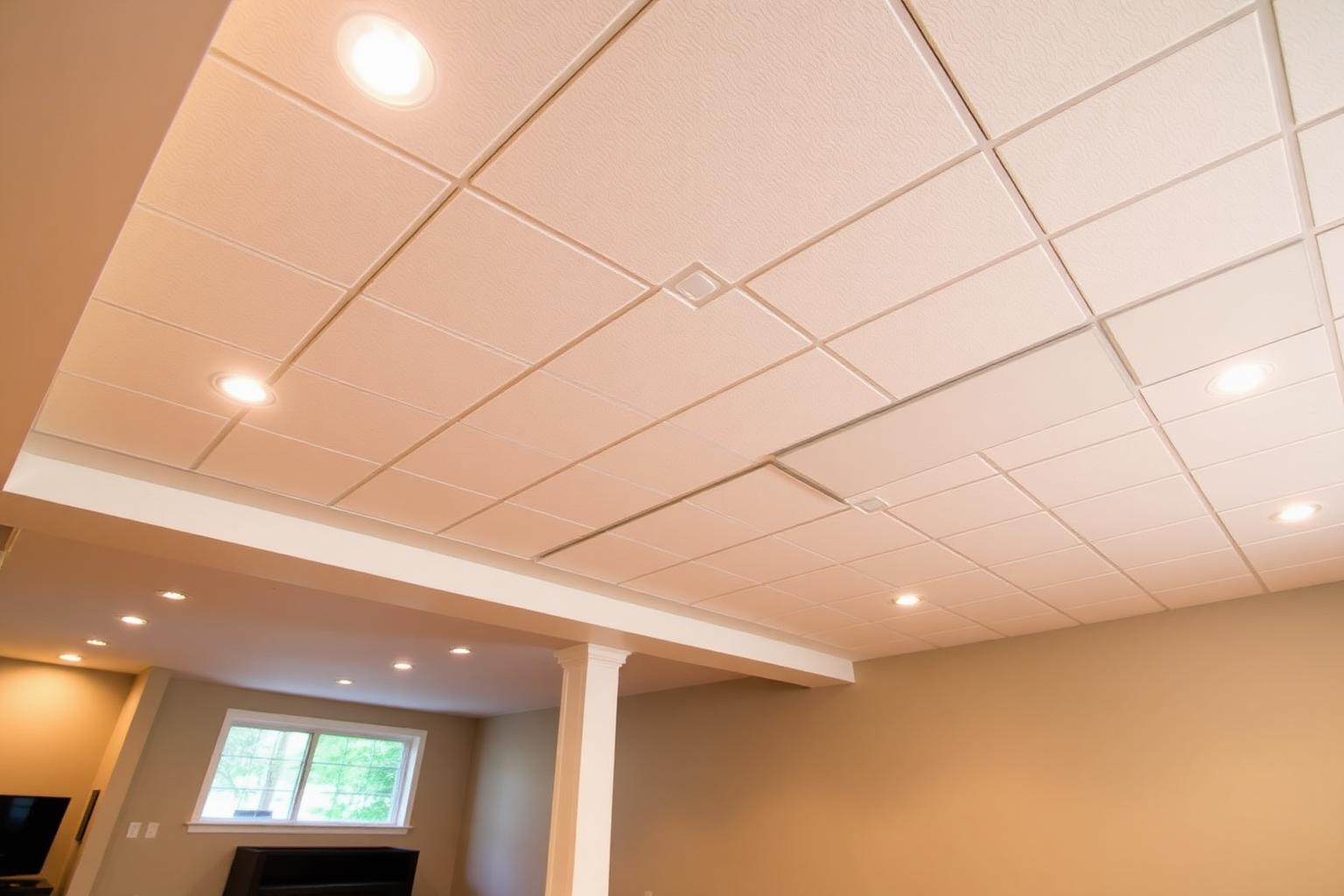
What a Drop Ceiling Actually Costs in Lake County in 2026
If you're finishing a basement, refreshing a tired office, or just tired of looking at exposed joists and ductwork overhead, a drop ceiling is one of the most cost-effective ways to transform a space. But "cost-effective" still means real dollars, and in 2026 a lot of homeowners across Northeast Ohio are surprised at how much the final number can swing based on a few key decisions. This guide walks through what we actually see when we quote drop ceiling installation projects in Willoughby, Mentor, Painesville, and the rest of Lake County — so you can plan a realistic budget before you start calling around.
Typical Price Range for a Basement Drop Ceiling
For most finished basements in Northeast Ohio in 2026, a complete drop ceiling installation runs roughly $4 to $9 per square foot installed, fully turnkey. That includes wall angle, main runners, cross tees, hanger wire, standard ceiling tiles, labor, and basic clean-up. A typical 600-square-foot basement therefore lands somewhere between $2,400 and $5,400 depending on tile choice, lighting, and how complex the room is.
A few quick benchmarks we see regularly:
- Small basement room (200–300 sq ft): $1,200–$2,500
- Standard finished basement (500–800 sq ft): $2,500–$6,000
- Large finished basement or in-law suite (1,000+ sq ft): $5,000–$10,000+
- Small office or commercial space (1,500–2,500 sq ft): $7,500–$18,000
These are installed numbers, not just materials. They also assume a normal-height basement with reasonably accessible joists — the price can move up if we run into structural surprises, low headroom, or heavy mechanical obstructions.
What's Actually Included in the Price
When we put together a drop ceiling estimate, we're pricing more than just tiles. A complete install includes:
- Grid system — wall angle around the perimeter, main runners hung from joists, and cross tees that lock the grid square
- Hanger wire and fasteners — sized and spaced to local code
- Ceiling tiles — usually 2x2 or 2x4 panels in standard white, with upgrades for sound, moisture, or appearance
- Layout and planning — balanced borders, lights centered properly, vents accounted for
- Cutting border tiles — measured individually for a clean fit
- Trim around lights, vents, columns, and beams
- Removal of old ceiling material (if you're replacing)
- Vacuum and clean-up — packaging, scraps, and dust
Optional add-ons that change the price meaningfully include recessed LED lighting, decorative or textured tiles, sound-rated tiles, and any electrical or HVAC work above the grid.
The Five Things That Move the Price Most
1. Square Footage
This is the obvious one. More square feet means more grid, more tiles, and more labor hours. But it's not perfectly linear — a 200-square-foot bathroom ceiling has a higher per-foot price than a 1,200-square-foot open basement because the fixed setup time (layout, level lines, hauling materials in) gets spread across fewer tiles.
2. Tile Choice
Standard white fissured tiles are the workhorse, and they look perfectly clean in a basement. But homeowners increasingly ask about upgrades:
- Moisture-resistant tiles for damp Lake Erie basements (+10–20%)
- Sound-rated tiles for home theaters, music rooms, or rental units (+25–50%)
- Smooth, tegular, or coffered decorative tiles for a more finished look (+30–100%)
- Vinyl-faced tiles for kitchens, bathrooms, or wet utility areas (+15–30%)
A premium tile can easily double the material cost compared to a builder-grade panel. It's worth seeing samples in person before committing.
3. Lighting and Vents
Recessed LED panels integrated into the grid look fantastic but add cost — usually $60–$150 per fixture installed, depending on whether the wiring already exists. New circuits, dimmers, or wall switches add electrician time on top of that. HVAC vents, sprinkler heads, and access panels also each take extra labor to cut, support, and trim around.
4. Ceiling Height and Obstructions
Most basements in Mentor, Willoughby, and Painesville were built between the 1950s and the 1990s, and headroom is often tight. If we have to drop the grid lower than usual to clear a beam or duct, that's fine — but if headroom is already at 7 feet, we may have to box around obstructions instead of dropping the whole ceiling, which adds carpentry time. Ductwork, plumbing stacks, and old steel I-beams all complicate the layout.
5. Removing an Old Ceiling
If you're replacing an existing drop ceiling or tearing down old drywall, demo and disposal add $0.50–$1.50 per square foot. Water-damaged tiles, asbestos-era materials in homes built before 1980, or heavy plaster overhead can all push that number higher.
DIY vs. Hiring a Pro
A handy homeowner can absolutely install a drop ceiling — the materials are forgiving and the grid is designed to be cut and adjusted on the fly. Where DIY projects most often go wrong:
- The grid isn't square, so tiles look crooked
- Border tiles are uneven from wall to wall
- The ceiling isn't level across the room
- Lights and vents end up in awkward grid positions
- Wall angle isn't fastened into studs, and the grid sags over time
If you're comfortable with a laser level and willing to spend a weekend or two on layout, DIY can save real money on a small room. For a full basement, a finished space you'll see every day, or anything with recessed lighting, hiring a professional usually pays for itself in straight grid lines and tiles that drop in flat the first time.
Why Northeast Ohio Basements Have Their Own Quirks
Basements in Lake County come with a few regional issues that affect pricing:
- Lake-effect humidity: Moisture-resistant tiles are often worth the upgrade, especially in older homes near the water in Eastlake, Willowick, and Mentor-on-the-Lake.
- Older homes with knob-and-tube remnants or mixed wiring: When a basement ceiling comes down, surprises sometimes come down with it. Budget a small contingency.
- Radon mitigation pipes: Many newer basements have a vertical radon pipe that needs to be trimmed around cleanly.
- Sump pumps and ejector pits: Access matters — we'll usually leave a removable tile or access panel directly above any pump for future service.
How to Get an Accurate Quote
The single best thing you can do to get a realistic price is have someone come look at the space. Photos help, but ceilings are full of small details — beam locations, duct sizes, headroom, existing wiring — that a 10-minute walkthrough catches and a photo doesn't.
When you're ready, we're happy to come out, take measurements, walk through tile options, and put together a clear, written estimate with no pressure. Call or text Lake County Handymen at 330-715-5042, or request a free drop ceiling estimate online. We work throughout Willoughby, Mentor, Willoughby Hills, Kirtland, Eastlake, Wickliffe, Willowick, and Painesville — and we'll tell you honestly whether your basement needs a full new ceiling, a partial replacement, or just a handful of new tiles.