
Why Sistering Floor Joists in Bathrooms Is Common
3/10/2026
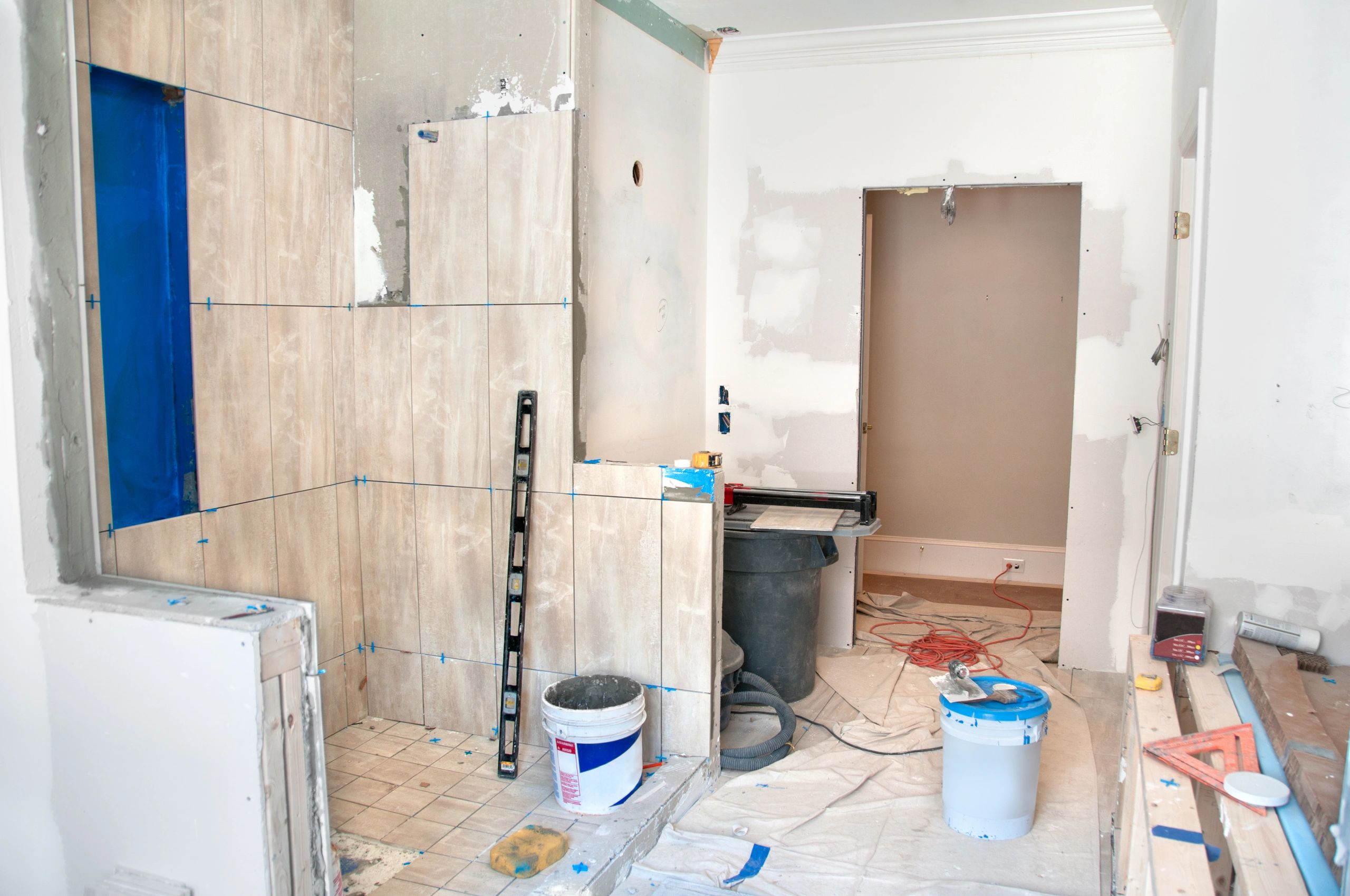
What Makes Bathroom Floors Sag—and How Sistering Joists Fixes It
Bathroom floors are under constant stress—from daily foot traffic to heavy fixtures like tubs and vanities. Over time, especially in older homes across Northeast Ohio, floor joists can weaken, warp, or deflect under moisture exposure and structural load, leading to bouncy, uneven, or squeaky flooring. That’s where sistering floor joists comes in—a trusted structural repair method that reinforces existing joists by attaching a new piece of lumber alongside them. This simple yet effective technique restores rigidity, reduces deflection, and extends the life of your subfloor.
Sistering is especially common in bathroom renovations because these areas face unique challenges: high humidity, frequent water exposure, and often heavier loads than other rooms. When remodelers uncover soft spots during demolition in homes in Lake County or surrounding areas, sistering is a go-to solution—especially where joists are undersized, damaged by past leaks, or showing signs of long-term creep. Unlike full joist replacement, sistering allows for targeted reinforcement without extensive structural disruption, making it a cost-effective fix during both cosmetic and full gut remodels.
In the following sections, you’ll learn when sistering is necessary, how it’s done right, and what warning signs to watch for in your next bathroom project.
What Is Sistering Floor Joists? A Practical Guide
Sistering floor joists is a structural reinforcement technique often used during bathroom remodels to increase strength, reduce squeaks, and support heavier loads from fixtures like tile floors and soaking tubs. It involves attaching a new piece of lumber—typically the same size as the existing joist—alongside a weakened or undersized joist to improve rigidity and span capacity. This method is especially valuable in older homes across Lake County and throughout Northeast Ohio, where decades-old framing may show signs of sagging, moisture damage, or inadequate support for modern bathroom demands.
Common materials used include pressure-treated or kiln-dried dimensional lumber (like 2x8s or 2x10s), structural screws, construction adhesive, and occasionally steel brackets for added stability. The process begins by cleaning and prepping the existing joist, then aligning the new board flush along its length before securing it with code-approved fasteners every 6 to 8 inches. Proper technique ensures load is evenly transferred and movement is minimized.
Sistering is frequently needed when replacing rotted subfloor sections or upgrading flooring systems in high-moisture areas like bathrooms. When done correctly, it enhances long-term durability, reduces deflection under load, and helps prevent tile cracking—making it a critical step in comprehensive renovations.
Why Bathrooms Demand Stronger Structural Support
Bathrooms are among the most demanding rooms in any home when it comes to structural integrity, primarily due to their high-moisture environment. Frequent exposure to water—from showers, baths, and even humidity—creates conditions that can compromise flooring over time. When moisture seeps into subfloors or lingers beneath fixtures, it can lead to wood rot, mold growth, and weakening of floor joists, especially in older homes across Lake County and throughout Northeast Ohio where crawl spaces and damp basements are common. This constant moisture exposure necessitates reinforced flooring systems to maintain safety and longevity.
Sistering floor joists—attaching a new joist alongside an existing one—is a proven method to increase load capacity and reduce floor flex. This reinforcement is especially critical in bathrooms where heavy fixtures like cast-iron tubs, tile flooring, and multi-head showers add significant weight. Weak or bouncy floors not only affect comfort but can also damage tile and waterproofing membranes, leading to costly repairs.
Homeowners noticing sagging floors, cracked grout, or persistent musty odors should consider structural evaluation. Proactively sistering joists during a remodel boosts durability, improves noise reduction, and supports modern building standards. For long-term peace of mind, reinforcement should be part of any bathroom upgrade—ensuring the floor remains solid for decades, even in moisture-rich environments.
7 Telltale Signs Your Bathroom Floor Joists Need Sistering
Sagging floors and cracked tiles aren’t just cosmetic issues—they can signal deeper structural concerns in your bathroom. When floor joists weaken over time, especially in moisture-prone environments like bathrooms, sistering (adding a new joist alongside the existing one) becomes a necessary reinforcement. Homeowners across Lake County and throughout Northeast Ohio often overlook early warning signs, only to face more extensive damage later. Recognizing these red flags early can prevent costly repairs and ensure long-term stability.
- Visible Sagging or Bounce in the Floor If your bathroom floor feels springy when walked on or sags noticeably between supports, the joists may be compromised. This movement indicates reduced load-bearing capacity, especially common in older homes with timber degradation.
- Uneven or Cracking Tile Surfaces Tiles that shift, crack, or become loose without recent impact often reflect an unstable subfloor. Inconsistent support from weakened joists leads to stress points that manifest in damaged flooring.
- Diagonal Cracks Along Walls or Corners When joists fail, the shifting spreads upward, causing diagonal cracks where walls meet the floor. These are telltale signs of structural deflection rather than simple drywall shrinkage.
- Sticking Doors or Misaligned Fixtures A settling floor due to joist deterioration can throw doors and cabinetry out of alignment. If your bathroom door suddenly rubs on the threshold, structural movement may be the cause.
- Creaking or Popping Sounds Underfoot Excessive noise when walking—especially localized to one area—can point to joist separation or movement at connection points, requiring reinforcement.
- Spongy or Soft Spots Near Plumbing Moisture from leaks around toilets or showers accelerates wood rot. Soft joists in these zones lose strength and necessitate sistering to restore integrity.
- Gap Between Baseboard and Flooring A growing gap along the bottom of baseboards suggests the floor is pulling away from the wall, often due to sagging joists beneath. This symptom should never be ignored in older constructions.
Step-by-Step Guide to Assessing and Sistering Floor Joists in Bathrooms
Sistering floor joists in bathrooms is a proven method to correct sagging, reduce bounce, and reinforce support—especially critical in moisture-prone areas where structural integrity can degrade over time. Follow these steps to ensure a safe, effective repair.
- Inspect for Damage and Sagging Look for visible dips in the floor, squeaking underfoot, or signs of water damage such as soft subflooring. Use a level across the span to identify low spots and determine if joist reinforcement is necessary.
- Shut Off Utilities and Prep the Space Turn off water and electricity to the bathroom. Remove fixtures or flooring if needed to access joists. Clear debris for a safe, unobstructed workspace.
- Cut and Fit the Sister Joist Select a pressure-treated or LVL (laminated veneer lumber) board matching the existing joist length. Slide it alongside the damaged joist, ensuring perfect alignment at both ends and consistent contact along the span.
- Secure the Sister in Place Fasten with 3-inch structural screws or construction adhesive at 6-inch intervals. Avoid nails—they can loosen over time. Drill pilot holes to prevent splitting, especially near joist ends.
- Reinforce Critical Areas Add blocking or cross-bridging if joists are twisted or bowed. In older homes in Lake County and throughout Northeast Ohio, supplemental support may be needed where joists span over 10 feet.
- Recheck Level and Reinstall Flooring Confirm the floor is level before reinstalling subflooring or tile. Allow for proper expansion gaps and moisture-resistant underlayment in wet areas.
*Pro Tip: Always consult your local building codes—especially when modifying load-bearing structures—to ensure compliance and safety.
Frequently Asked Questions About Sistering Floor Joists in Bathroom Floors
What does sistering floor joists mean, and why is it often needed in bathrooms?
Sistering involves attaching a new joist alongside an existing one to reinforce weak or damaged framing. Bathrooms are high-moisture areas prone to wood rot, insect damage, or long-term structural stress from heavy fixtures like cast-iron tubs. When older joists show signs of sagging, excessive flexing, or deterioration, sistering restores strength and prevents future floor failures.
Is sistering necessary for every bathroom renovation?
Not always. It’s only required when framing inspections reveal damage, deflection, or inadequate support. Homes in Northeast Ohio, especially older properties in Lake County, often need joist reinforcement during full remodels due to decades of moisture exposure and aging lumber.
How long does sistering joists extend a remodel timeline?
Typically, the process adds 1 to 3 days, depending on the number of joists and accessibility. It’s usually completed during the framing and subflooring phase, right after demolition and before new flooring is installed.
Does sistering add significant cost to a bathroom project?
While it increases labor and material expenses, it’s generally more cost-effective than replacing entire floor systems. For most homeowners, the investment prevents future structural repairs, especially critical in moisture-prone spaces like basement bathrooms.
Can sistered joists fail over time?
When properly executed with correct fastening and alignment, sistered joists can last as long as original framing. Key to success is using kiln-dried lumber, securing every 12–16 inches with structural screws, and ensuring full bearing at both ends.
Ensuring Long-Term Stability: The Critical Role of Structural Reinforcement in Bathroom Renovations
A bathroom’s ability to withstand daily wear, moisture exposure, and heavy use hinges on one often-overlooked factor: structural integrity. Over time, floor joists can weaken due to humidity fluctuations, water damage, or simply the age of the home—especially in older properties across Northeast Ohio where legacy construction methods may not meet current standards. Sistering floor joists—attaching a new joist alongside an existing one—is a proven method to restore strength, reduce squeaks, and prevent long-term sagging or structural failure.
This reinforcement technique is particularly vital in bathrooms, where concentrated water loads from showers, tubs, and plumbing add stress to subfloor systems. Properly sistered joists distribute weight more evenly, minimizing deflection and protecting tile work from cracking. For homeowners in Lake County and surrounding areas, this step isn’t just a repair—it’s a long-term investment in safety, durability, and home value.
If you're planning a remodel, consider having your subfloor and joists inspected before finalizing plans. Look for signs like spongy flooring, uneven surfaces, or visible gaps beneath the subfloor. Addressing structural concerns early avoids costly callbacks and ensures your finished bathroom remains functional and safe for years. For lasting results, build strong from the ground up—because every great renovation starts with a solid foundation.