
Why Landscape Fabric Actually Matters
8/2/2025
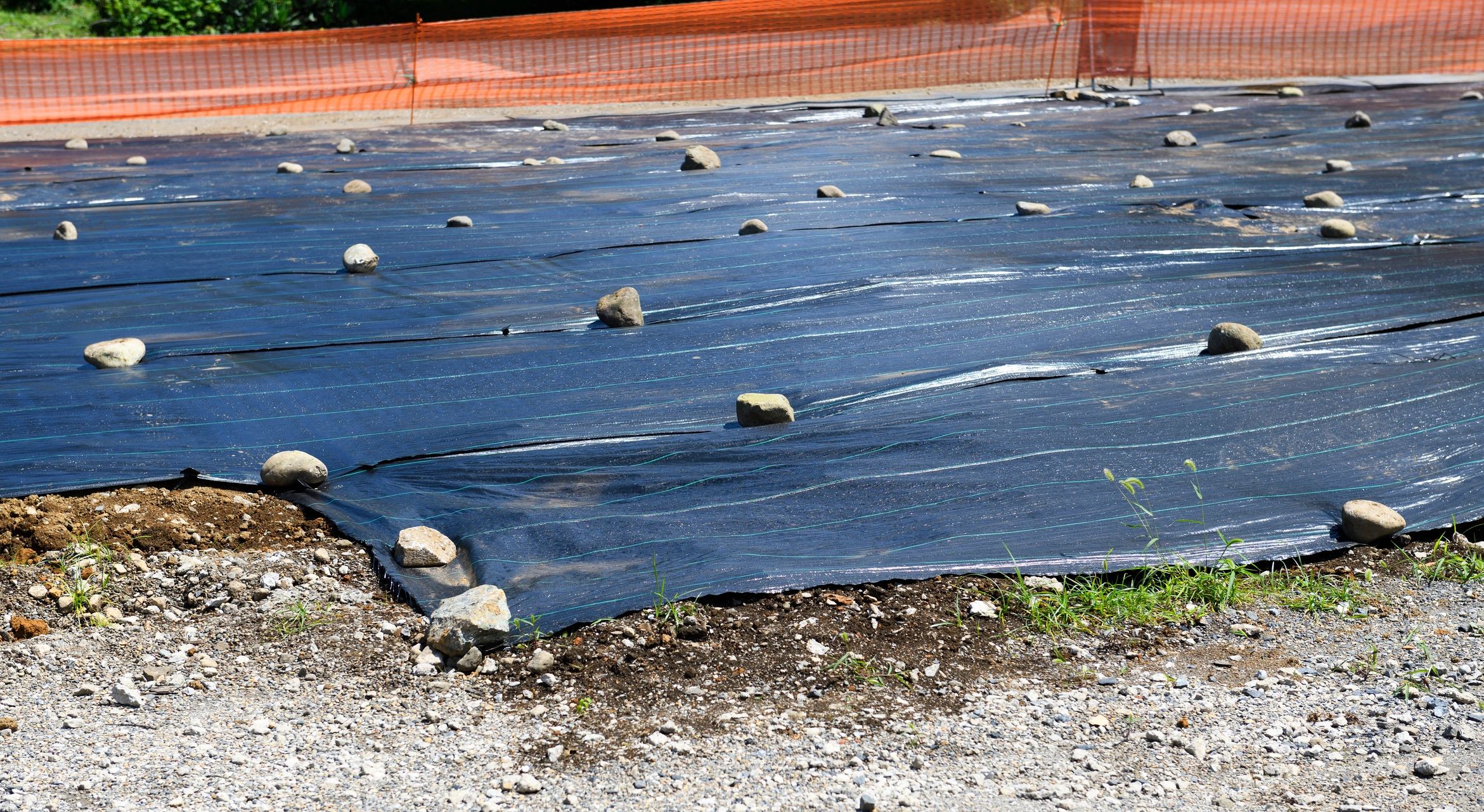
The Hidden Hero of Every Successful Garden: What You Need to Know About Landscape Fabric
Every thriving garden or polished landscape has a secret—and it’s not what you plant, but what lies beneath. Across Northeast Ohio and in backyard projects from Lorain to Ashtabula, smart homeowners and landscapers alike are turning to one affordable, durable solution to prevent weeds, retain moisture, and create long-lasting outdoor spaces: landscape fabric. This breathable, woven or non-woven geotextile material acts as a silent guardian, allowing water and air to reach plant roots while forming an impenetrable barrier to invasive weeds.
Without proper ground coverage, even the most carefully planned beds can quickly become overrun with dandelions, crabgrass, and other persistent intruders—leading to increased maintenance, wasted mulch, and frustrated gardeners. Landscape fabric solves this by creating a stable foundation that reduces the need for chemical herbicides and cuts down on seasonal weeding by up to 90%, depending on installation quality and site conditions.
In this guide, you’ll learn how landscape fabric works, the right types for different applications, and proven installation techniques used by professionals in Lake County and beyond. Whether you're designing flower beds, vegetable gardens, or stone pathways, understanding how to use this essential tool can save time, money, and effort—giving you a cleaner, healthier landscape year after year.
Smother Weeds and Save Water: The Dual Perks of Landscape Fabric
Maintaining a pristine garden or landscaped area in Northeast Ohio means battling two persistent challenges: relentless weeds and inconsistent moisture levels. Landscape fabric offers a practical, cost-effective solution that addresses both—without relying on harsh chemicals or excessive watering. This breathable geotextile material acts as a physical barrier, blocking sunlight to suppress weed growth while allowing water and nutrients to penetrate the soil.
Gardeners and property owners across Lake County and surrounding regions find long-term value in landscape fabric, especially when mulching beds around trees, shrubs, or garden paths. Once properly installed and covered with mulch, it drastically reduces the need for hand-weeding and herbicide applications—saving time, labor, and recurring maintenance costs.
Key benefits include:
- Effective weed suppression that lasts for years, minimizing invasive plant growth in flower beds and planting zones
- Improved moisture retention by reducing evaporation and stabilizing soil temperature
- Soil protection from erosion and compaction caused by foot traffic or heavy rainfall
- Cleaner produce in garden settings, as fabric prevents soil splashing onto vegetables and herbs
For best results, anchor the fabric securely with landscape staples and overlap seams to prevent gaps. Pair it with organic mulch for enhanced aesthetics and further moisture control. Whether tending a residential backyard or maintaining commercial property landscaping, integrating landscape fabric is a smart step toward low-maintenance, healthy, and attractive outdoor spaces.
Mastering Landscape Fabric Installation: A Step-by-Step Guide
Installing landscape fabric properly is essential for long-term weed control and soil stability, especially in regions with fluctuating weather like Northeast Ohio. Done right, it suppresses unwanted vegetation while allowing water and nutrients to reach plant roots. Follow these steps to ensure maximum effectiveness in your garden beds or landscaping projects.
- Clear and Prep the Area Remove all weeds, rocks, and debris from the soil surface. Smoothing the ground ensures full contact between fabric and soil, reducing gaps where weeds could emerge.
- Cut Fabric to Fit Measure your bed and cut the fabric accordingly, allowing a few extra inches at the edges for anchoring. Avoid overlapping sections unnecessarily—seams should be butted tightly together to prevent weed infiltration.
- Lay Fabric Flat Unroll the fabric smoothly across the bed, keeping it taut but not stretched. Position it perpendicular to slopes to prevent slippage over time.
- Secure with Landscape Staples Use galvanized or UV-resistant staples every 12–18 inches along edges and seams. In windy areas or high-traffic zones, increase staple density for added hold.
- Make Precision Planting Openings Cut small X-shaped slits only where plants will go. Fold back the flaps, place the plant, then tuck fabric back around the base to block light and inhibit weed growth.
- Cover with Mulch Apply 2–3 inches of mulch over the fabric to enhance appearance, improve UV protection, and add another layer of weed suppression. Avoid piling mulch directly against plant stems.
*Pro Tip: In perennial beds, choose woven fabric for durability and breathability. For vegetable gardens or short-term use, lighter weight options may suffice but require more frequent replacement.
Common Pitfalls That Undermine Landscape Fabric Performance
Landscape fabric can be a powerful tool in weed suppression and soil stabilization, but improper use often leads to more problems than solutions—especially in regions like Northeast Ohio where fluctuating weather and moisture levels challenge long-term effectiveness. One of the most frequent mistakes is overlapping seams improperly. Gaps between fabric sheets create entry points for weeds, while excessive overlap traps moisture and restricts water flow, leading to pooling and root rot in nearby plants.
Another common error is burying the fabric under too much mulch. While a 2–3 inch layer of mulch helps anchor the fabric and improves aesthetics, piling on thicker layers encourages weed seeds to germinate on top of the fabric, creating a fertile bed above the barrier. Over time, this turns the fabric into a shelf for unwanted growth instead of a deterrent.
Failing to secure edges with landscape staples is another critical misstep. Loose fabric shifts with rain, foot traffic, or freeze-thaw cycles, exposing soil and reducing coverage. In wind-prone areas across Lake County, unsecured fabric can tear or lift entirely, leaving beds vulnerable.
Lastly, using non-permeable or low-quality fabric restricts water and oxygen flow to plant roots. Always choose woven, permeable geotextile fabric designed for garden beds—not construction-grade plastics. When installed correctly, landscape fabric lasts longer, supports healthier plants, and reduces maintenance demands in both residential and commercial landscapes.
Common Questions About Choosing, Installing, and Maintaining Landscape Fabric
What type of landscape fabric should I choose for my garden beds?
Selecting the right landscape fabric depends on your soil type, climate, and intended use. Woven polypropylene fabrics are ideal for long-term weed suppression in perennial beds, offering durability and good water permeability. Non-woven options are thicker and better suited for high-moisture areas or sloped terrain, as they resist tearing and handle expansion and contraction better. In regions like Northeast Ohio, where freeze-thaw cycles stress ground covers, opt for UV-stabilized fabric to prevent premature breakdown.
How do I properly install landscape fabric to avoid weeds and erosion?
Begin with cleared, level soil. Overlap seams by at least 6 inches and secure edges with landscape staples every 12–18 inches. Extend the fabric under retaining walls and around trees, but avoid wrapping tightly around trunks. For sloped yards in areas like Lake County, consider netting or gravel ballast to prevent shifting. Always place mulch (2–3 inches) on top to shield the fabric from UV exposure and improve aesthetics.
Can I install landscape fabric over existing weeds?
It’s best to remove aggressive weeds like bindweed or ivy before installation. While fabric suppresses small seedlings, established roots can grow through and compromise the barrier. For light weed coverage, smother plants with cardboard first, then lay the fabric. In high-growth seasons, timing installation after pre-emergent treatment increases effectiveness.
How long does landscape fabric last, and when should I replace it?
Most quality fabrics last 5–10 years. Signs of degradation include thinning material, visible tears, or increased weed growth. Inspect annually, especially after harsh winters. In garden paths or vegetable beds with frequent foot traffic, fabric may need replacement sooner due to abrasion.
Is landscape fabric safe for vegetable gardens and raised beds?
Yes, but use breathable, food-safe woven fabric designed for agriculture. Avoid black plastic sheeting, which limits water and gas exchange. For root vegetables, install fabric only beneath paths to protect crops while preventing soil compaction.
Should I use pins or stakes to secure landscape fabric?
Landscape staples (U-shaped pins) are preferred for flat areas, while spiral stakes work better on slopes. Place them every 18 inches along edges and seams. In windy areas or high-traffic zones, increase pin density and embed them slightly below fabric level to avoid tripping hazards.
How do I maintain fabric in mulched beds over time?
Reapply mulch annually to maintain thickness, as thin layers expose fabric to UV damage. Pull debris like leaves and twigs to prevent organic matter buildup that invites weeds. If gaps appear, patch with fabric tape or overlapping pieces secured with staples.
Your Foundation for a Lasting Landscape: Final Thoughts and Next Steps
Landscape fabric plays a crucial role in maintaining a neat, healthy, and low-maintenance yard—especially in regions like Northeast Ohio where fluctuating seasons and moisture levels challenge outdoor spaces. When installed correctly, it acts as a durable barrier against persistent weeds, reduces the need for chemical herbicides, and helps retain soil moisture where it’s needed most. More than just a layer beneath mulch, it supports long-term soil stability and protects your investment in hardscaping and plant beds.
To get the most out of landscape fabric, proper installation is key. Start by clearing debris and ensuring a smooth, level surface. Overlap seams by at least 6 inches and secure edges with landscape pins every 12 to 18 inches to prevent shifting. Always use UV-rated fabric for longevity, and avoid burying it too deeply—just enough to cover with 2–3 inches of mulch. In high-traffic areas or zones prone to erosion, consider reinforced fabric or supplemental edging to hold everything in place.
Actionable next steps: Inspect existing beds for fabric degradation, especially before spring mulching. Replace torn sections and re-pin loose edges. Plan new installations during seasonal cleanups for optimal results.
By choosing the right material and installing it with care, you create a foundation that keeps your landscape looking sharp year after year—so you can spend less time weeding and more time enjoying your outdoor space.