
What Is Preen — and Should You Use It?
9/28/2025
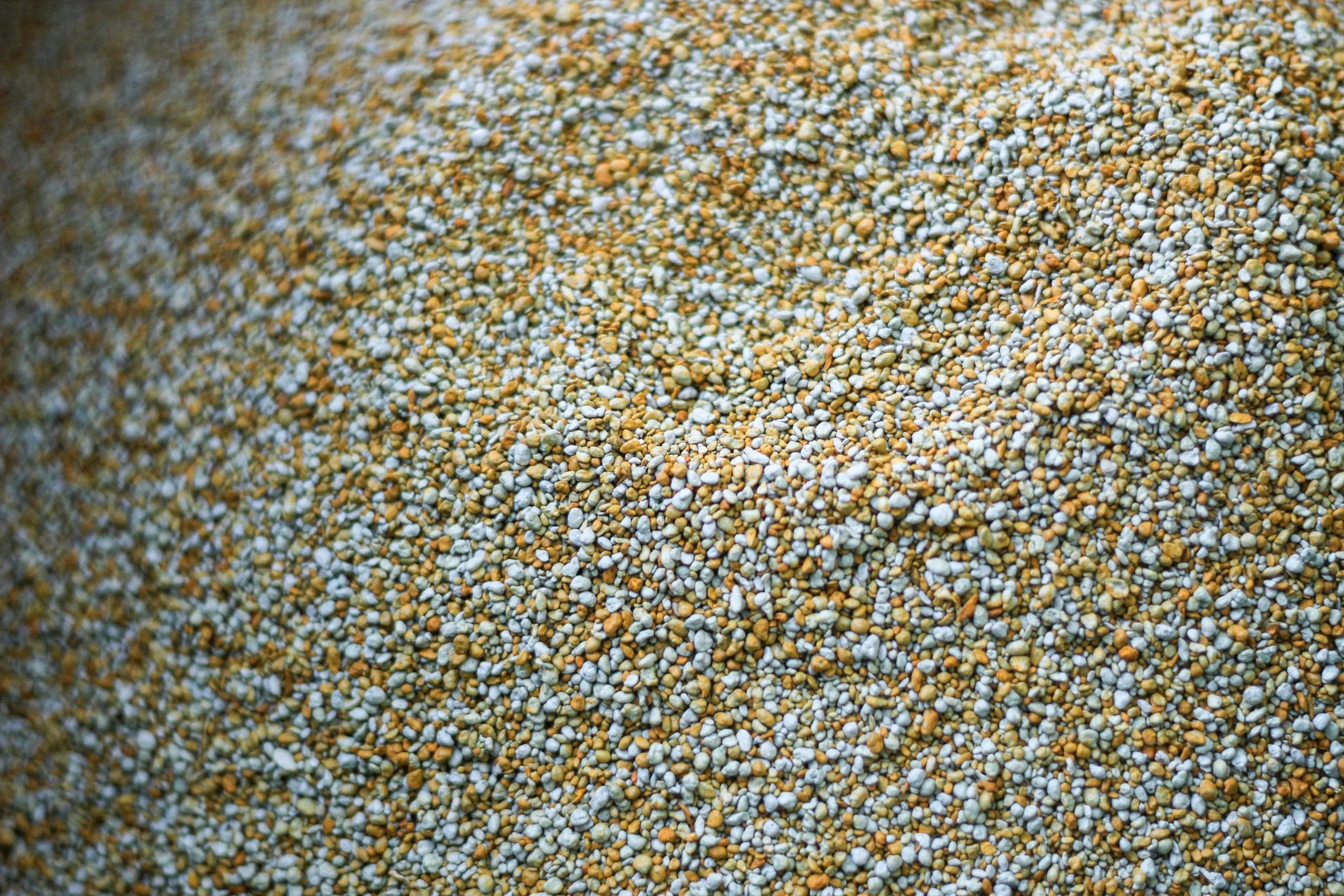
Crush Weeds Before They Take Root: Meet the Garden Ally You’ve Been Missing
For gardeners battling persistent flower bed weeds, maintaining lush, healthy plantings can feel like a constant uphill fight. Enter Preen, a widely recognized garden product engineered to break the cycle of weed invasion right from the start. Designed as a pre-emergent solution, Preen works by forming an invisible barrier in the soil that stops weed seeds—from dandelions to crabgrass—from germinating, without harming your ornamental flowers, shrubs, or established perennials.
This proactive approach is especially effective in regions with heavy spring rains and dense clay soils, such as Lake County, Ohio, where moisture and warmth accelerate weed seed activation. Rather than relying solely on hand-pulling or reactive treatments, gardeners use Preen as part of an early-season routine—applying it in spring before weeds appear and reapplying as needed to maintain season-long protection. It’s ideal for use in both sunny and shaded beds, and pairs well with mulch to enhance weed suppression while improving overall bed aesthetics.
Whether you’re tending a small front-yard display or expansive garden borders, integrating a pre-emergent like Preen into your planting schedule can significantly reduce weeding labor, minimize soil disturbance, and help your flowers thrive without competing for essential nutrients.
How Preen Works to Stop Weeds Before They Sprout
Preen operates as a pre-emergent weed preventer, targeting weeds at their most vulnerable stage—before they break through the soil surface. Unlike post-emergent herbicides that kill existing plants, Preen creates an invisible chemical barrier in the top layer of soil that inhibits seed germination. This makes it especially effective against annual weeds like crabgrass, ragweed, and chickweed, which rely on reseeding each season.
The active ingredients in most Preen products—such as trifluralin or pendimethalin—are absorbed by developing weed seeds as they begin to sprout. These compounds disrupt cell division in emerging roots, effectively halting growth before the seedling can establish. Because the treatment targets only germinating seeds, established flowers, shrubs, and perennials remain unharmed when applied correctly.
For maximum effectiveness, apply Preen early in the season—just as soil temperatures reach levels conducive to weed seed activity, typically around 55–60°F. In regions like Northeast Ohio, this often coincides with forsythia bloom or early tulip emergence. After application, water the area lightly to activate the barrier.
Keep in mind: Preen does not prevent perennial weeds from spreading via rhizomes or runners, nor should it be used where you plan to sow desirable seeds. Used as part of a broader strategy—including mulching and timely hand-weeding—it’s a powerful tool for maintaining clean, healthy flower beds all season long.
5 Powerful Reasons to Use Preen in Your Flower Beds
When battling flower bed weeds, gardeners across Northeast Ohio and similar climates know that prevention is far more effective than constant correction. That’s where products like Preen come in—offering a proactive approach to keep ornamental beds tidy, healthy, and low-maintenance all season long. Here’s why many experienced gardeners rely on it as part of their weed control strategy.
1. Dramatically Reduces Hand-Weeding
One of the biggest time-savers in garden maintenance, Preen creates a protective barrier that stops weeds from germinating. This means fewer hours spent on hands and knees pulling stubborn invaders like crabgrass and chickweed—especially in high-traffic areas where windblown seeds thrive.
2. Provides Season-Long Weed Suppression
Applied at the right time—typically after planting and during early spring soil warming—Preen offers several months of continuous protection. This aligns perfectly with the active growing cycles of most annual weeds common in clay-heavy soils.
3. Helps Preserve Mulch Integrity
Weeds pushing through mulch not only look unsightly, they break down the mulch layer faster. Preen slows this process by blocking germination, helping your shredded hardwood or bark mulch last longer and maintain its moisture-retaining, UV-blocking benefits.
4. Supports Healthier Ornamental Plants
Without aggressive weeds competing for water, nutrients, and sunlight, your perennials and annuals establish more quickly and bloom more vibrantly. This is especially beneficial in tightly planted beds where overcrowding can stress desirable plants.
5. Complements Organic Gardening Practices
Available in both synthetic and natural formulations (like those made with corn gluten), Preen integrates easily into eco-conscious routines. When combined with proper spacing, edging, and top-dressing with compost, it enhances a sustainable, low-intervention garden plan.
7 Environmental and Botanical Concerns to Consider Before Using Preen
When managing flower bed weeds, many gardeners turn to products like Preen for long-term suppression. While these offerings can reduce hand-weeding efforts, it’s important to understand the potential downsides—especially when protecting delicate ecosystems and preserving desirable plants.
- Soil Health Degradation Over Time Repeated use of pre-emergent weed inhibitors can affect microbial activity in the soil. In regions with already dense clay soils—common in Northeast Ohio—this can lead to compaction and reduced nutrient cycling, ultimately impacting root development in ornamental plants.
- Unintended Harm to Beneficial Plants These products don’t distinguish between weeds and self-seeding perennials like coneflowers or columbine. Applying them carelessly may prevent desirable blooms from germinating, reducing garden biodiversity and natural repropagation.
- Chemical Runoff in Rain-Prone Areas In high-moisture climates, active ingredients can leach into groundwater or nearby planting zones. This is especially concerning near vegetable gardens or pollinator-friendly beds in Lake and Geauga County landscapes.
- Reduced Organic Matter Breakdown Mulch treated with synthetic barriers breaks down more slowly, limiting the natural composting process that enriches soil. Over time, this diminishes organic content crucial for healthy flower beds.
- Weed Resistance Development Just as with antibiotics, overreliance on the same product can lead to resistant weed strains, making future control more difficult without rotating methods or increasing application rates.
- Impact on Pollinators and Soil Insects While not directly toxic, altered soil chemistry and reduced plant diversity affect habitat quality for earthworms, ground beetles, and other beneficial organisms vital to a balanced garden ecosystem.
- Long-Term Dependency Gardeners may become reliant on chemical solutions instead of adopting sustainable practices like proper spacing, living mulches, or timely hand-weeding—strategies that yield better results over time without side effects.
Mastering Preen Application: A Step-by-Step Guide for Weed-Free Flower Beds
Achieving long-term control over flower bed weeds starts with proper use of pre-emergent solutions like Preen. When applied correctly, it creates an invisible barrier that stops weed seeds from sprouting—without harming your ornamental plants. Follow these steps to maximize effectiveness and keep your garden looking pristine from spring through fall.
1. Prepare Your Beds First
Begin by clearing away debris, old mulch, and existing weeds. The ground must be clean and weed-free before application. Loosen the top layer of soil gently to ensure even coverage, especially in compacted areas common in clay-heavy soils found across Northeast Ohio gardens.
2. Time It Right
Apply Preen in early spring before soil temperatures reach 55°F—the point at which most annual weed seeds begin to germinate. A second application in mid-summer can extend protection into fall. Avoid using it after visible weeds have emerged; Preen only works before germination.
3. Spread Evenly Over Soil
Sprinkle granular Preen uniformly across the bed at the recommended rate. Use a handheld spreader for precision, focusing on high-risk zones near walkways or property edges where seeds often blow in. Don’t skip spots—gaps reduce overall efficacy.
4. Water Lightly to Activate
After application, water the area thoroughly but gently. This dissolves the active ingredient and forms a protective barrier just below the surface. Skip this step, and the product won’t work properly.
5. Cover with Mulch
Finish by applying 2–3 inches of organic mulch like shredded hardwood. This locks in the pre-emergent layer, shades the soil, and adds another physical barrier against weeds—all while enhancing curb appeal in Lake County, Geauga, or Ashtabula-area landscapes.
Preen Questions Answered: What You Need to Know for a Healthier Garden
Is Preen safe to use around flower beds?
Yes, when used as directed, Preen can be safely applied around established ornamental plants. It’s designed to prevent weed seeds from germinating without harming the roots of most perennials and shrubs. For best results, apply Preen after planting and watering, then follow with a 2–3 inch layer of mulch to lock in protection. Avoid direct contact with vegetable seedlings or newly sown flower seeds, as it may inhibit their germination.
Can I use Preen in my organic garden?
Preen offers both synthetic and organic formulations. The organic version, made from corn gluten meal, acts as a natural pre-emergent herbicide and is approved for organic gardening in many regions, including Northeast Ohio. While less potent than synthetic options, corn gluten-based products provide a chemical-free way to reduce crabgrass and other annual weeds—especially when applied in early spring before soil temperatures rise.
Is Preen harmful to pets?
Once Preen is watered in and the granules have settled into the mulch or soil, it’s generally safe for dogs and cats to walk through treated areas. However, keep pets away during application to prevent inhalation or ingestion of loose granules. Allow at least 24 hours after watering before resuming normal yard activity.
How often should I reapply Preen?
Most Preen products offer weed control for up to three months. For season-long results, reapply every 8–10 weeks through spring and summer, especially after heavy rain or irrigation that can leach the active ingredients. Coordinate applications with local growing patterns—gardeners in Lake and Geauga County often find success with April, June, and August treatments.
Can Preen be used around ground covers or mulch?
Yes, Preen works effectively over common mulches like shredded hardwood and pine bark. It’s also safe for use around dense ground covers such as vinca and pachysandra, provided you’re not trying to establish new plants from seed. The key is to apply evenly and water thoroughly to activate the herbicide barrier beneath the mulch layer.
Is Preen Right for Your Garden? Making the Final Call
Deciding whether to use Preen comes down to your gardening style, long-term goals, and commitment to sustainable practices. For gardeners in regions like Northeast Ohio, where clay-heavy soils and humid conditions accelerate weed growth, staying ahead of invasive species is a seasonal challenge. Preen—as a pre-emergent aid—can offer temporary relief by inhibiting weed seeds from sprouting, especially in newly planted beds or high-traffic borders. However, it’s not a standalone solution.
If you prioritize chemical-free gardening, rely on organic mulch, compost-rich soil, and dense plantings, synthetic herbicides may contradict your approach. Instead, focus on cultural techniques: apply 2–3 inches of shredded hardwood mulch in spring and midseason, maintain clean bed edges with a half-moon edger, and inspect weekly during peak growing months. These methods suppress weeds naturally while improving soil structure over time.
For those managing larger beds or limited mobility, Preen might fit as a short-term assist—especially when paired with thick mulch. But remember: it doesn’t stop established weeds, and overreliance can lead to gaps in long-term control.
Your best bet? Start with prevention. Pull early, mulch consistently, and encourage healthy plant competition. Whether you use Preen or not, a proactive routine beats any shortcut. Ready to transform your garden? Begin with one bed, apply these strategies, and watch your progress grow.