
What Causes Cracks in Drywall — and When Should You Worry?
1/30/2026
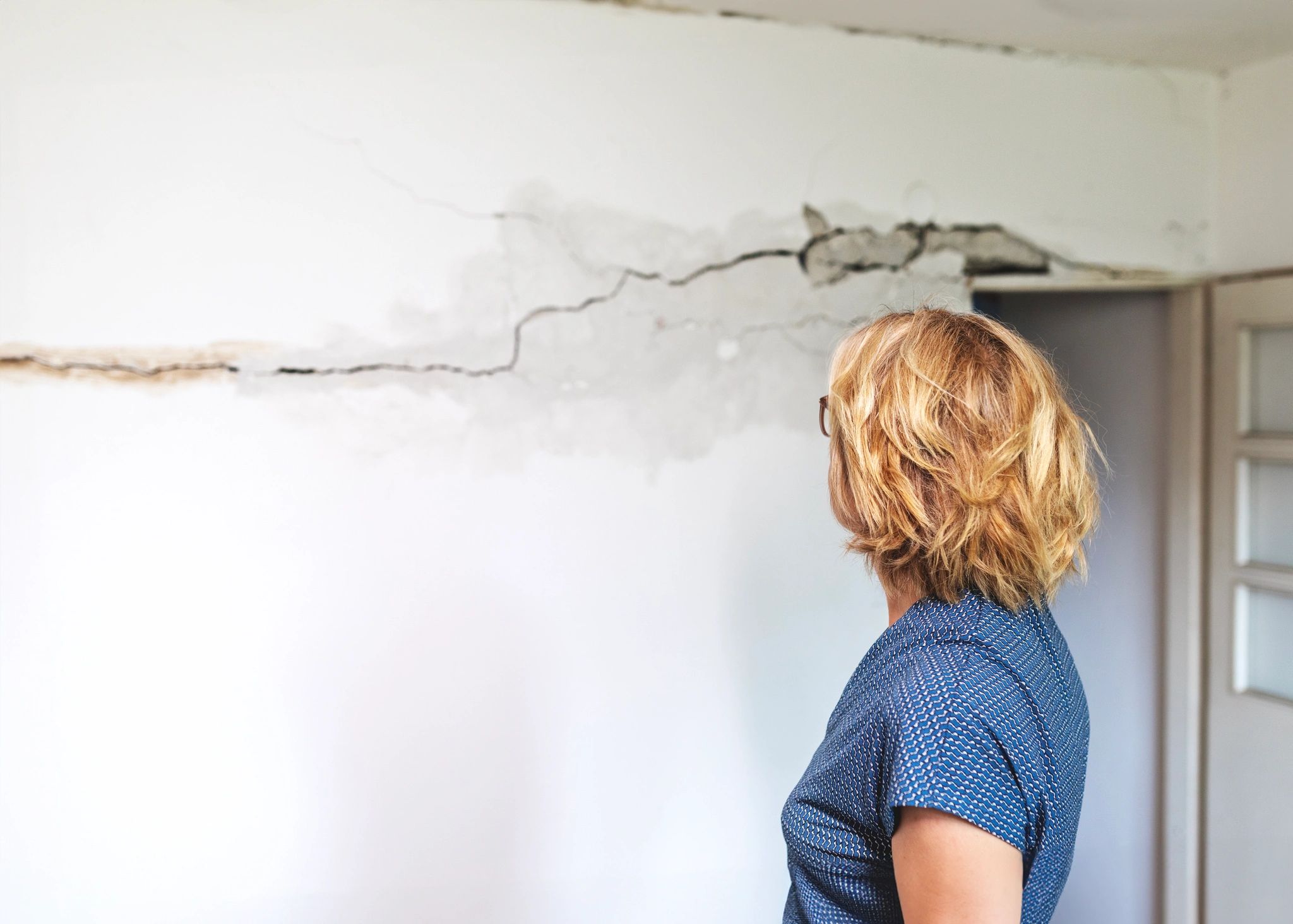
What You Need to Know About Drywall Cracks in Your Home
Drywall cracks are more than just cosmetic blemishes—they can be early warning signs of underlying structural or environmental issues, especially in regions with extreme seasonal shifts like Northeast Ohio. While minor hairline cracks are common and often harmless, certain patterns and locations signal problems that demand attention. Understanding what causes these cracks helps homeowners distinguish between normal settling and serious concerns that could affect safety and home value.
Common culprits include natural foundation settling, fluctuating indoor humidity, poor installation, and temperature-driven expansion and contraction—factors amplified in older homes throughout Lake County and surrounding areas. Cracks at window corners, diagonal splits across walls, or recurring gaps near ceilings may point to shifting support structures or moisture infiltration.
In this guide, you’ll learn how to identify high-risk cracks versus low-risk ones, interpret what their size, shape, and location may indicate, and decide when monitoring is enough versus when professional evaluation is essential. You'll also gain practical insight into preventive steps—like proper taping techniques and using flexible joint compounds—that can reduce recurrence and maintain long-term wall integrity. By the end, you’ll be equipped to make informed decisions that protect both your home’s appearance and its structural health.
Understanding the Root of the Problem: When Cracks Signal Structural Shifts
Not all drywall cracks are created equal—while hairline fissures may result from normal aging or poor taping, wider cracks, especially those that reappear after repair, often point to structural movement or foundation settling. These underlying issues are common in homes across Lake County and throughout Northeast Ohio, where expansive clay soils, freeze-thaw cycles, and aging infrastructure contribute to gradual shifts in a home’s frame.
Foundation settling is natural over time, but sudden or uneven sinking can stress wall systems. When the support beneath your home shifts, it pulls drywall taut, causing cracks at stress points like corners of doors, windows, or along ceiling joints. These cracks often appear stair-stepped along mortar lines in brick homes or run diagonally across drywall panels.
Key warning signs include:
- Cracks wider than 1/8 inch
- Doors and windows sticking unexpectedly
- Sloping or uneven floors
- Gaps forming between walls and trim
If cracks persist despite multiple repairs, it’s not a finishing flaw—it’s a structural clue. Monitoring their progression over weeks or months can help determine urgency. While minor settling is expected, significant movement demands evaluation by a qualified professional familiar with regional soil conditions and construction standards.
Addressing the symptom with joint compound won’t stop the cycle—identifying and resolving the root cause ensures lasting wall integrity and home safety.
How Seasonal Shifts Trigger Drywall Cracks in Ohio Homes
Seasonal cracking in drywall is a common issue for homeowners across Northeast Ohio, particularly in Lake County where drastic temperature swings and fluctuating humidity levels stress building materials year-round. As winter freezes give way to spring thaws—and summer heat ramps up—your home’s structure naturally expands and contracts. This movement can cause drywall seams and joints to separate, especially if installation didn’t account for future shifts.
Humidity plays an equally critical role. During damp spring months, moisture absorbed by gypsum boards causes slight swelling. In dry winter air, the drywall contracts. Over time, this repeated expansion and contraction weakens taped seams and corners, leading to hairline cracks—most commonly seen at ceiling junctions, around windows, and above door frames.
Homes in Painesville, Madison, and surrounding areas often show these signs earlier due to older construction methods and prolonged exposure to regional climate cycles. To minimize seasonal damage:
- Maintain consistent indoor humidity (between 30–50%) using a dehumidifier or humidifier as needed
- Use flexible acrylic caulk at corners and trim lines to absorb movement
- Inspect walls seasonally for early signs of cracking, especially after extreme weather
- Address drafts and insulation gaps that contribute to uneven wall temperatures
Minor seasonal cracks are normal and often repairable with joint compound and tape. However, recurring or widening gaps may indicate deeper structural concerns requiring further evaluation.
Shoddy Start: How Bad Drywall Installation Leads to Early Cracks
Even newly built homes in Lake County and across Northeast Ohio aren’t immune to drywall cracks—if the initial installation skipped critical steps. Poor workmanship during construction can cause cracks to appear within months, not years, leaving homeowners puzzled by premature wall damage. Understanding these common installation missteps helps identify when repair isn’t just about fixing a crack, but correcting an underlying flaw.
One major culprit is improperly secured drywall. If screws are spaced too far apart or driven too deeply, the panel can shift with seasonal temperature changes, leading to stress cracks at joints and corners. Another red flag is skipping the acclimation phase—drywall installed while still damp or without sitting in the home’s environment for 48 hours can shrink or warp, causing seams to separate.
Taping errors also play a big role. Applying too little joint compound, using uneven pressure, or failing to embed tape properly creates weak seams that crack under minor movement. In rushed jobs, contractors may even skip floating the seams entirely, leaving ridges vulnerable to cracking.
Key warning signs of poor installation include:
- Cracks appearing within the first year
- Patterned cracks along stud lines or seams
- Recurring cracks despite multiple repairs
For lasting results, proper repair often means starting over—correctly securing, taping, and finishing joints to handle the region’s freeze-thaw cycles and humidity shifts.
Top 5 Places Cracks Appear in Drywall — and What They Reveal
Drywall cracks are more than cosmetic flaws—they’re warning signs that point to specific structural or environmental factors at play. Knowing where cracks typically form and what their location implies can help homeowners in Lake County and across Northeast Ohio take timely, targeted action before minor issues escalate.
- Ceiling-to-Wall Joints Cracks along the seam where the ceiling meets the wall are common in older homes and often signal normal seasonal movement. As temperatures shift from freezing winters to humid summers, building materials expand and contract. When drywall tape loosens at these stress points, cracks emerge. While minor hairline splits are usually harmless, widening gaps may indicate poor initial installation or the need for better attic insulation to stabilize indoor climate swings.
- Above Door and Window Frames Diagonal cracks above openings typically reflect settling or structural load distribution. Homes built on shifting soil or with aging support systems may develop these stress fractures. In areas with heavy snowfall or freeze-thaw cycles, the foundation can subtly move, transferring pressure to framing members. These cracks deserve attention—especially if they grow or appear on multiple openings.
- Along Corner Beads Cracks running down exterior wall corners suggest physical impact or poor taping during installation. Since corners take the brunt of furniture bumps and foot traffic, they’re prone to damage. However, recurring cracks may mean underlying framing is uneven or moisture is compromising adhesion in basements or exterior walls.
- Middle of Large Wall Panels Horizontal or vertical cracks through the center of a drywall sheet are red flags for serious structural movement, overloaded floors, or failing support beams. Unlike hairline tape cracks, these often appear suddenly and widen over time.
- Around Electrical Outlets and Vents Small radial cracks around fixtures may stem from over-tightened screws or pressure from insulation pushing from inside the wall. But if multiple outlets show similar damage, consider hidden moisture or framing shifts.
Frequently Asked Questions About Drywall Cracks and Repair Timelines
What causes hairline cracks in drywall, and are they serious?
Hairline cracks are common in both new and older homes across Northeast Ohio, often caused by normal drying and settling of building materials. They typically appear near corners, seams, or above doorways. While most hairline cracks are cosmetic and pose no structural threat, sudden or widening cracks—especially in homes in Painesville, Madison, or Willoughby—may indicate foundation movement or moisture-related damage due to the region’s freeze-thaw cycles.
When should I be concerned about drywall cracks?
Worry if cracks are wider than 1/8 inch, run diagonally across corners, or reappear after repair. Vertical or stair-step cracks in plaster or drywall may signal foundation shifts, while horizontal cracks could point to structural overload. Also be alert to accompanying signs like uneven floors or sticking doors.
How soon should I repair a drywall crack?
Address visible cracks within a few weeks, especially before seasonal humidity changes. Prompt repairs prevent moisture infiltration, which in Lake County’s climate can lead to mold behind walls. Small cracks with no structural signs can wait a short time, but don’t delay if the damage is growing.
Can temperature changes in Ohio cause drywall to crack?
Yes. Northeast Ohio’s wide temperature swings cause building materials to expand and contract, stressing joints and fasteners. This thermal movement commonly leads to recurring cracks, especially in poorly taped or fastened drywall sections.
Is it safe to paint over a repaired crack?
Only after proper preparation. First, use flexible joint compound and fiber or paper tape. Allow full drying, then sand, prime, and texture-match before painting. Skipping steps may cause the crack to telegraph through new paint.
Should I hire a pro for recurring drywall cracks?
Yes, especially if DIY fixes fail. Persistent cracking often stems from unaddressed structural movement, moisture, or poor initial installation. A qualified local technician can diagnose underlying causes and ensure long-term repairs.
Know the Signs, Save Your Walls: Smart Maintenance for Lasting Results
Understanding what causes cracks in drywall is the first step toward protecting your home’s structural integrity and comfort. From seasonal shifts in temperature common across Northeast Ohio to foundation settling and moisture intrusion, cracks are more than cosmetic—they’re warning signs. Minor hairline fractures may result from normal building movement, but wider gaps, recurring damage, or diagonal cracks near door frames often point to deeper structural concerns. Recognizing the difference helps homeowners take timely action before small issues become costly repairs.
Proactive wall maintenance starts with regular inspections—especially in basements, attics, and exterior walls exposed to Lake County’s freeze-thaw cycles. Look for bulging drywall, sticky doors or windows (a sign of shifting frames), and peeling paint that may indicate moisture behind the surface. Address leaks promptly, maintain consistent indoor humidity, and avoid hanging heavy items on weak wall sections.
When cracks appear:
- Monitor their width and length over time
- Use flexible joint compound for minor repairs to accommodate movement
- Consider professional evaluation for recurring or widespread damage
Your walls play a critical role in energy efficiency, sound control, and indoor air quality. Staying ahead of drywall damage ensures long-term durability and peace of mind. Don’t wait until a small crack becomes a major issue—early assessment is key. For persistent or puzzling damage, consulting a local expert familiar with regional building challenges can save time, money, and stress in the long run.