
Weed-Free Flower Beds: A Season-Long Guide
12/2/2025
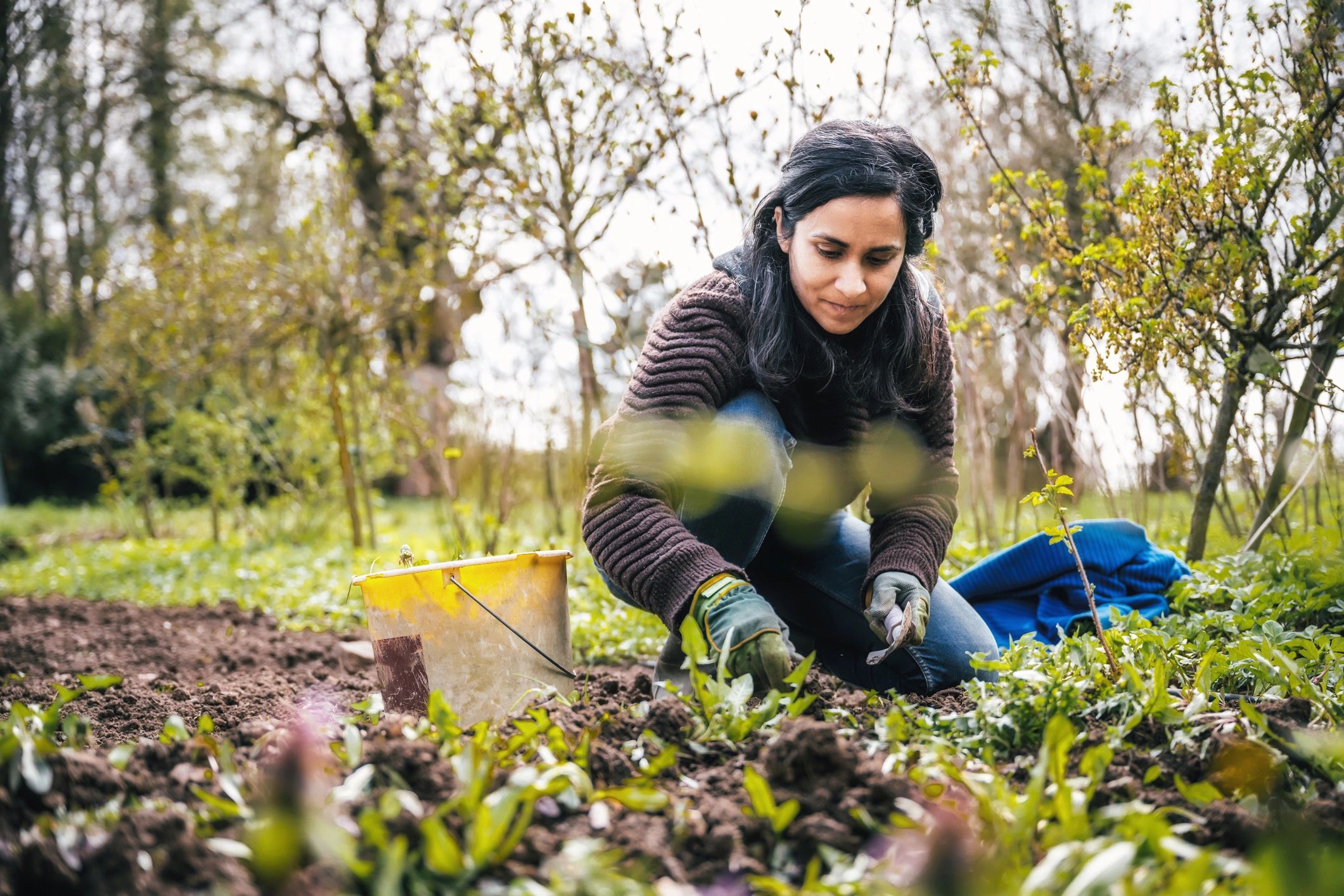
The Unseen Battle Beneath Your Blooms
Every gardener knows the frustration of seeing vibrant flower beds slowly overtaken by stubborn weeds. These aggressive competitors don’t just mar aesthetics—they rob your prized perennials and annuals of essential water, nutrients, and sunlight. In regions with dense soil types like those found in Northeast Ohio, weeds take root quickly, especially when seasonal care is inconsistent. A one-time spring pull isn’t enough; true control demands a season-long strategy that aligns with natural growth cycles.
This guide breaks down the science of weed suppression through proactive, garden-smart techniques you can apply from early spring to late fall. You’ll learn how to identify invasive species early, leverage mulch and ground covers effectively, time your interventions with soil conditions, and disrupt weed life cycles before they set seed. From the first shoots in April to the last frosts in November, each phase offers an opportunity to tip the balance in your favor.
By adopting a full-season mindset, you’ll reduce hand-weeding fatigue, improve soil health, and enjoy cleaner, more vibrant displays—all while minimizing the need for chemical interventions. Let’s turn your flower beds into low-maintenance, weed-resistant showcases.
Stop Weeds Before They Start: Proactive Strategies for Impeccable Flower Beds
Preventing weeds in flower beds begins long before the first sprout appears—by implementing a strategic, multi-layered approach during initial bed setup and seasonal maintenance. Follow these proven steps to create an inhospitable environment for weeds while supporting healthy ornamental growth.
1. Prepare the Soil Properly
Begin with a clean slate by removing all existing vegetation, including roots and rhizomes from persistent perennials like nutsedge or bindweed. Use a shovel or soil knife to clear the area thoroughly. Loosen the top 6–8 inches of soil to improve drainage and root penetration, especially important in clay-heavy regions such as Lake County, Ohio. Incorporate 2–3 inches of compost to boost fertility and microbial activity, setting the foundation for vigorous plant growth that naturally crowds out weeds.
2. Install Landscape Fabric (Optional but Effective)
For high-maintenance or frequently invaded beds, lay a permeable geotextile fabric over the prepared soil. Secure edges with landscape pins to prevent shifting. Choose woven over non-woven fabric for longer durability and superior weed suppression. Avoid plastic sheets—they block water and degrade soil health over time.
3. Apply Mulch Correctly
Spread 2–3 inches of organic mulch—such as shredded hardwood, pine bark, or leaf mold—over the fabric or bare soil. Keep mulch a few inches away from plant stems and tree trunks to prevent rot. Replenish annually in spring to maintain thickness and UV protection, which helps block light and stop weed germination.
Pro Tip: For natural gardens or beds with self-seeding varieties, skip the fabric but double down on thick, fresh mulch applications each season. Properly maintained, these methods reduce hand-weeding by up to 80%, keeping your flower beds tidy and thriving all season long.
Eradicate Weeds Safely and Effectively: A Step-by-Step Removal Guide
Tackling stubborn weeds in flower beds doesn’t require harsh chemicals—just the right approach and tools. Start early in the season when weeds are small and haven’t established deep root systems. Begin by thoroughly moistening the soil the evening before. Damp soil loosens grip on roots, making extraction easier and reducing breakage.
Step 1: Identify the Weed Type
Distinguish between annuals (like chickweed) and perennials (such as dandelions or quackgrass). Annuals typically have shallow roots and can be pulled easily, while perennials often require deeper removal to prevent regrowth.
Step 2: Use the Right Tool for the Job
For small, scattered weeds, a hand trowel or dandelion fork provides precision. Work the tool beneath the taproot to remove it completely. For larger infestations, a stirrup hoe or oscillating weeder slices weeds just below the soil surface with minimal disruption to ornamental plants.
Step 3: Pull Strategically
Grasp weeds at the base, not the leaves, and pull steadily upward while rocking slightly to loosen roots. For persistent species like crabgrass, ensure the entire crown is removed.
Step 4: Dispose of Weeds Properly
Place pulled weeds in yard waste—never compost unless you’re certain they haven’t gone to seed, as heat in most home composts won’t kill resilient weed seeds.
Pro Tip: In high-traffic areas like flower beds in Geauga or Ashtabula County, lay down a folded newspaper or cardboard layer post-removal before mulching. This blocks light and prevents rapid weed return, reducing future garden bed cleanup needs.
Stay Ahead of Weeds: A Season-Long Maintenance Routine
Keeping flower beds weed-free isn’t a one-time spring task—it’s an ongoing commitment that pays off in healthier plants and less labor over time. By implementing a consistent, season-long routine, gardeners can prevent weeds from gaining a foothold and reduce the need for aggressive interventions later.
1. Start Clean, Stay Ahead
Begin by clearing all debris and removing visible weeds in early spring, ensuring you pull entire root systems. Apply a pre-emergent herbicide or organic alternative like corn gluten meal before weed seeds germinate. This critical step blocks crabgrass and broadleaf weeds common in Northeast Ohio clay soils.
2. Mulch Strategically
After planting, apply a 2–3 inch layer of shredded hardwood or leaf mulch. Mulch suppresses weed growth by blocking sunlight while conserving moisture. Refresh it mid-season if it breaks down, especially around high-maintenance perennials and annuals.
3. Weekly Inspections & Hand-Pulling
Schedule a weekly walk-through to catch weeds early. Young weeds are easier to remove, often by hand. Focus on problem areas near walkways or property edges in Lake and Geauga County gardens where invasive species spread quickly.
4. Edge Beds for Long-Term Control
Use a half-moon edger monthly during peak growing months to maintain crisp boundaries. This prevents grass and aggressive groundcovers from creeping into beds, a common issue in suburban landscapes.
5. Maintain Soil Health
Dense, healthy plantings outcompete weeds. Top-dress beds with compost in spring and fall to support vigorous growth—strong roots mean fewer gaps for weeds to exploit.
Skip the Shortcuts: Avoid These Common Weed Control Mistakes
Even diligent gardeners often unknowingly create conditions where weeds thrive season after season. The key to lasting weed control lies not just in removal, but in correcting recurring mistakes that invite future invasions—especially in regions like Northeast Ohio, where moist springs and fertile clay soils accelerate weed growth.
One of the most frequent errors is shallow weeding. Yanking weeds without removing the entire root system—especially for persistent perennials like dandelions or bindweed—means they’ll reappear within weeks. Always use a weeding tool that reaches deep, such as a fishtail or narrow hoe, to extract roots completely.
Another common misstep is inconsistent mulching. Gaps in mulch coverage, even small ones, create perfect entry points for windblown seeds. Apply a uniform 2–3 inch layer of shredded hardwood or composted leaf mulch after weeds are removed—timing it just before peak germination season dramatically reduces emerging weeds.
Poor bed edging also contributes to recurring problems. Without a clear, well-maintained border, grass and weeds from lawns easily creep into flower beds. Install or refresh landscape edging annually, and use a sharp half-moon edger to maintain clean lines.
Finally, neglecting early intervention allows annual weeds to set seed quickly. Address small infestations before they flower—many weeds can produce thousands of seeds in a single season. Regular monitoring and prompt action are essential for breaking the cycle and achieving a truly weed-resilient garden.
Weed Control Wisdom: Your Top Questions Answered
What’s the best way to stop weeds before they start in flower beds?
Prevention begins with a clean foundation. Remove existing weeds by the roots early in the season, then apply a 2–3 inch layer of organic mulch—like shredded bark or leaf mold—to block sunlight and inhibit germination. In Ohio’s humid climate, especially in areas like Geauga and Lake County, using quality mulch helps retain moisture while keeping weed seeds from thriving.
Should I use landscape fabric under mulch?
While commonly used, landscape fabric can do more harm than good over time. It often tears, shifts, or becomes embedded with soil and organic matter, creating a perfect seedbed for weeds on top of the fabric. Instead, rely on thick mulch layers and hand-weeding for long-term, sustainable weed control.
How often should I check flower beds for weeds?
Weekly inspections during peak growing months (May–September) are ideal. Catching annual weeds like crabgrass or foxtail before they seed prevents future infestations. Use a hand hoe or trowel to disrupt soil just below the surface, targeting young roots before they establish.
Are there natural ways to kill stubborn perennial weeds?
Yes. For deep-rooted invaders like dandelions or bindweed, use a sharp weeding tool to remove the entire root system. Pouring boiling water directly on unwanted plants is effective for spot treatment in paved or dry areas, but avoid overspray on desirable plants.
When is the best time to pull weeds?
After a light rain or watering, when soil is moist. Weeds—especially those with taproots—come out more easily with less disturbance to surrounding plants.
Can ground covers help reduce weeds?
Absolutely. Dense, spreading perennials like vinca, pachysandra, or ajuga shade the soil, leaving little room for weeds to take hold. They’re excellent living mulches in shaded or hard-to-reach beds.
Is it worth using pre-emergent herbicides in flower beds?
Only selectively. Pre-emergent products can interfere with the germination of desirable plants, including perennials that reseed. For most homeowners, manual maintenance and mulching offer safer, more reliable results.
Keep Your Flower Beds Beautiful All Season With These Proven Strategies
Maintaining weed-free flower beds isn’t a one-time sprint—it’s a season-long commitment that pays off in vibrant blooms and healthy soil. By now, you understand that early intervention, consistent maintenance, and smart cultural practices are key to staying ahead of persistent invaders like crabgrass, creeping charlie, and dandelions. Start strong with a thorough spring cleanup: remove winter debris, aerate compacted soil common in clay-heavy areas like Lake County, and enrich beds with compost to boost microbial activity. A well-prepared foundation makes it harder for weeds to take root and easier for perennials to thrive.
Next, lock in results with a multi-layered defense. Apply a 2–3 inch layer of shredded hardwood or leaf mulch after planting to block sunlight from reaching weed seeds and reduce the need for constant hand-weeding. Pair this with proactive edging along garden borders—especially in high-traffic beds near driveways or walkways—to prevent grass encroachment. Regular scouting helps too; address small weed flushes before they go to seed, and avoid common missteps like over-mulching or working in wet soil.
Finally, adopt a seasonal rhythm. Replenish mulch in midsummer if breakdown occurs, and finish strong with a fall cleanup to remove debris that shelters pests and disease. Rotate crops when possible, keep spacing ideal for airflow, and consider living ground covers like creeping thyme in tight spots.
Your most beautiful garden starts with clean, healthy soil. Ready to enjoy effortless curb appeal? Begin your next garden refresh with a clear plan—and watch your landscape flourish.