
Sunken Limestone Steps: What They Are
2/18/2026
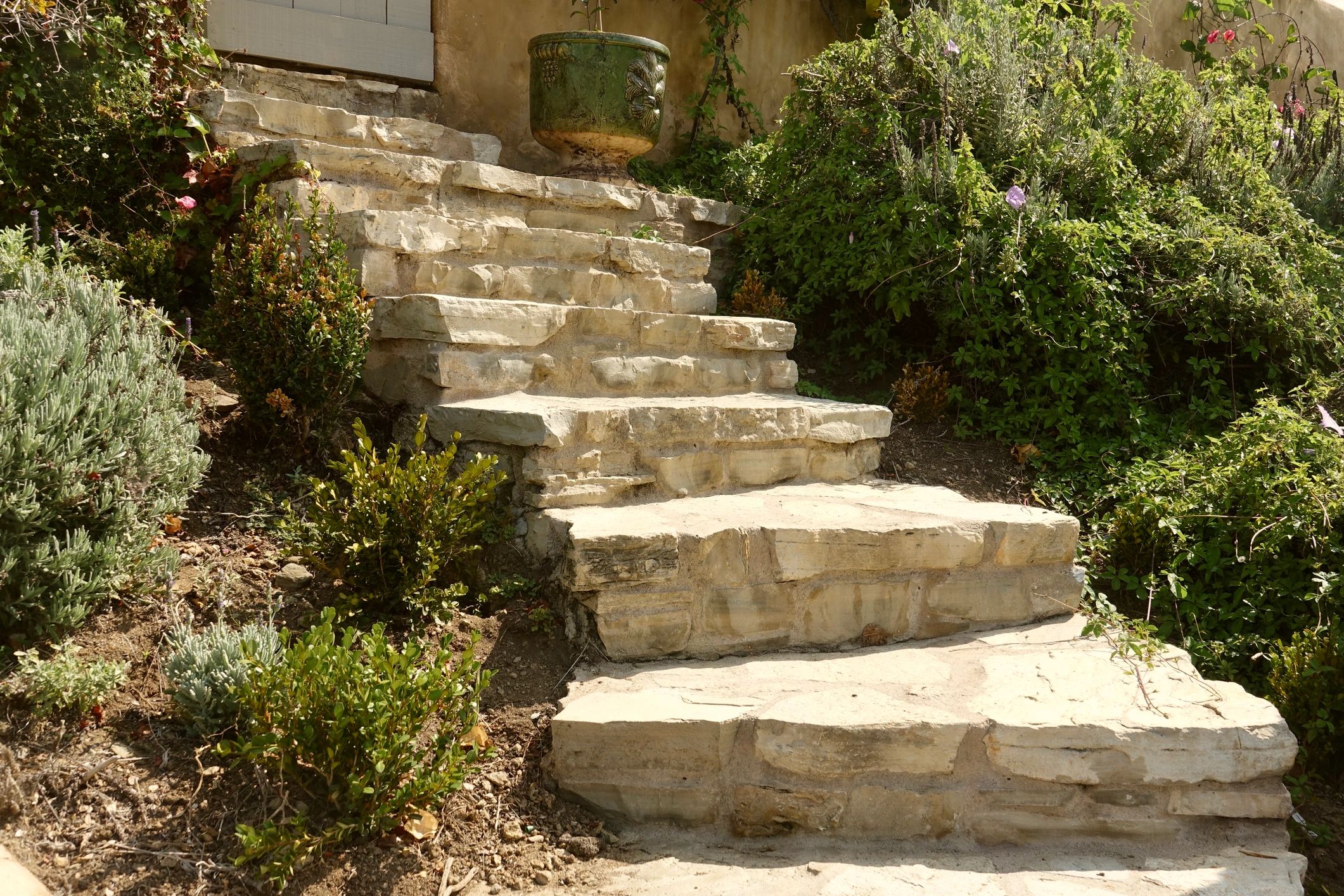
Elevate Your Outdoor Spaces with Timeless Sunken Limestone Steps
Sunken limestone steps are quietly redefining curb appeal across Lake County and throughout Northeast Ohio, blending natural beauty with unmatched durability. These custom-built features are more than just functional pathways—they're a seamless extension of your home's exterior architecture. Crafted from locally sourced, solid limestone, these steps offer a naturally non-slip surface, resist freeze-thaw cycles, and age gracefully with a subtle weathered patina that enhances character over time.
Homeowners seeking to upgrade driveways, garden pathways, or entryway access are discovering the long-term value of recessed limestone installations. Unlike poured concrete or wood, limestone remains cool underfoot, resists cracking, and integrates beautifully with stone walls, native plantings, and hardscaping.
In this guide, you’ll learn:
- The structural advantages of properly installed sunken limestone steps
- How they combat common regional issues like erosion and frost heave
- Design options for curved, multi-tiered, or straight-run configurations
- Maintenance best practices to preserve longevity and appearance
Whether you're enhancing a walkout basement terrace or defining a sloped yard, these steps offer a low-maintenance, high-style solution built to last generations. Let’s lay the foundation for smarter, more resilient outdoor design.
What Exactly Are Sunken Limestone Steps and How Are They Built?
Sunken limestone steps are a durable, aesthetically appealing hardscape solution commonly used for entryways, garden paths, and tiered landscapes in regions like Lake County and across the Midwest. Unlike poured concrete or wood alternatives, these steps are constructed by setting cut limestone blocks directly into the ground—often partially recessed to create a seamless transition between levels. The “sunken” design refers not to structural failure, but to intentional installation below grade level, providing long-term stability and reducing trip hazards over time.
These steps are typically built using either field stone or quarried dimensional limestone, chosen for its natural resistance to freeze-thaw cycles and moisture damage. The construction process starts with precise site leveling and excavation, followed by a layered base of compacted gravel and sand to ensure proper drainage. Limestone treads and risers are then set in place, carefully leveled, and secured with polymeric sand or mortar depending on load requirements. Joints are left slighter open to allow for natural expansion.
Homeowners and landscapers favor sunken limestone steps for their timeless look, low maintenance, and ability to blend with rustic, traditional, or modern exterior designs—making them a smart, long-lasting upgrade for any property.
7 Reasons Homeowners Love Sunken Limestone Steps for Curb Appeal and Functionality
Sunken limestone steps have emerged as a sought-after feature in residential landscape design—particularly in regions like Lake County where natural stone complements traditional and modern home styles. Known for their durability and timeless aesthetic, these steps offer more than just visual charm. Here’s why so many homeowners are choosing this functional hardscape element for their entryways and outdoor living spaces.
- Natural Aesthetic That Ages Gracefully Limestone blends seamlessly into Midwestern landscapes, offering a soft gray, buff, or tan palette that harmonizes with brick, stucco, and wood facades. Unlike concrete, it weathers naturally over time, developing a subtle patina that enhances character without compromising integrity.
- Superior Traction in Wet or Icy Conditions The inherent texture of limestone provides slip resistance—an essential safety feature for entryways exposed to snow and rain. When cut with a slightly rough surface or tumbled edge, these steps offer better grip than smooth stone or poured concrete, especially during Lake County’s freeze-thaw cycles.
- Exceptional Durability in Harsh Climates Limestone is less prone to cracking than concrete when properly installed with adequate drainage. Its density resists spalling caused by deicing salts and prolonged moisture exposure, making it ideal for northern Ohio’s seasonal extremes.
- Low Maintenance Without Sacrificing Elegance These steps require no sealing in most cases and resist mold, moss, and staining when graded to shed water. Occasional rinsing with a garden hose is typically sufficient to keep them looking pristine year after year.
- Increased Property Value with High-ROI Curb Appeal A well-constructed limestone entryway signals quality craftsmanship. Homes with natural stone features often see stronger buyer interest, especially in markets where exterior durability and visual appeal are top priorities.
- Adaptability to Various Architectural Styles Whether you’re enhancing a rustic ranch, a colonial revival, or a modern farmhouse, sunken limestone steps can be cut and shaped to match your home’s proportions and design language—offering architectural cohesion without retrofitting issues.
- Eco-Friendly Choice with Sustainable Sourcing As a natural, quarried material, limestone requires less energy to produce than manufactured alternatives. When sourced regionally, its carbon footprint is minimized, aligning with environmentally conscious landscaping trends in Lake County and beyond.
Keep Your Sunken Limestone Steps Looking Great: Maintenance That Lasts
Sunken limestone steps offer timeless charm and durable performance, especially in regions like Lake County where freeze-thaw cycles and humidity challenge outdoor structures. To preserve both safety and appearance, follow this step-by-step maintenance routine designed for homeowners and property managers alike.
- Clean Monthly with pH-Neutral Cleaner Use a soft-bristle brush and a non-acidic cleaner to remove dirt, organic growth, and stains. Avoid pressure washing at high settings—limestone is softer than granite and can etch or pit under aggressive spray.
- Inspect for Surface Erosion or Cracking Check tread edges, risers, and joints every season. Look for signs of spalling, crumbling, or shifting caused by water infiltration or poor drainage. Address small cracks early with breathable masonry repair mortar.
- Seal Every 2–3 Years with Penetrating Stone Sealer Apply a silane-siloxane water-repellent sealer to resist moisture absorption and prevent freeze-thaw damage. Ensure steps are completely dry before sealing and avoid film-forming sealers that trap moisture.
- Control Vegetation Growth Remove moss, weeds, or roots growing between joints promptly. These retain moisture and exert pressure that widens gaps. Use gentle hand tools or steam removal instead of chemical killers that may discolor stone.
- Improve Drainage to Prevent Further Settling Confirm that downspouts and grading direct runoff away from the steps. Poor drainage softens underlying soil, contributing to ongoing sinking or shifting.
Regular upkeep not only enhances curb appeal but also extends the functional life of limestone steps by decades—especially important in older homes across Northeast Ohio where craftsmanship meets longevity.
Frequently Asked Questions About Sunken Limestone Steps
What are sunken limestone steps and why do they occur?
Sunken limestone steps are masonry steps that have settled or shifted below their original position, often due to soil erosion, poor initial installation, or repeated freeze-thaw cycles common in regions like Northeast Ohio. Limestone, while durable, is susceptible to movement when underlying support degrades, especially in areas with high moisture or shifting clay soils typically found in Lake County and similar climates.
How much does it cost to repair sunken limestone steps?
Repair costs generally range from $150 to $400 per step, depending on accessibility, extent of settling, and whether mudjacking or full replacement is required. Projects in older homes or on sloped terrain may incur higher labor costs due to increased prep work and material handling challenges.
Can I level sunken limestone steps myself?
While DIY methods exist, professional evaluation is strongly advised. Improper lifting or filling can cause cracking or uneven settling. Certified technicians use precision equipment like hydraulic lift systems and polyurethane grout injection to safely raise and stabilize steps without damaging surrounding landscaping or foundation.
How long do repaired limestone steps last?
When properly restored with modern stabilization techniques, repaired steps typically last 15–20 years or longer. Longevity improves significantly with proper drainage solutions, such as grading soil away from the structure and installing downspout extensions to prevent future water infiltration.
Do I need to replace the entire staircase if one step sinks?
Not necessarily. Isolated sinking is often repairable through slab jacking or pier installation beneath the affected step. Full replacement is only recommended if multiple steps show severe cracking, spalling, or structural compromise. A professional assessment helps determine the most cost-effective and durable solution.
Are sunken steps a safety hazard?
Yes—uneven steps create trip risks and violate basic safety codes. Even a ¾-inch elevation difference can lead to falls, particularly in high-traffic entryways. Leveling repairs not only improve appearance but also enhance home safety and liability protection.
How can I prevent future settling of limestone steps?
Prevention starts with proper site preparation: ensure compacted base material, install adequate drainage (e.g., French drains or swales), and maintain consistent vegetation control around the foundation. Scheduling routine inspections every few years helps catch minor shifts before they become major issues.
Final Thoughts: Why Sunken Limestone Steps Are a Smart, Long-Term Choice for Your Outdoor Space
Sunken limestone steps offer more than just a functional walkway—they’re a durable, visually striking addition that enhances both the safety and curb appeal of homes, particularly in regions like Lake County where weather fluctuations demand resilient materials. By now, you’ve seen how these steps naturally resist cracking and shifting thanks to their solid foundation and the inherent strength of limestone. Their non-slip surface performs exceptionally well in wet or icy conditions, making them ideal for sloped yards, entryways, and garden pathways.
One of the greatest benefits of choosing limestone is its low maintenance requirements. Unlike poured concrete or wood alternatives, limestone doesn’t demand sealing every few years or risk rotting over time. A simple rinse and occasional scrub are usually enough to maintain its natural beauty for decades. Plus, limestone’s earth-toned hues blend seamlessly into Ohio landscapes, offering a timeless look that complements both traditional and modern architecture.
If you're evaluating outdoor step solutions, consider how sunken limestone steps solve common problems like erosion, tripping hazards, and frequent repairs. For best results, ensure proper excavation, use a compacted base of gravel, and include slight grading for drainage during installation.
Ready to elevate your property’s functionality and style? Explore sunken limestone steps as a long-lasting, cost-effective upgrade that pays off in safety, value, and enduring charm.