
Spotting Hidden Water Damage in Your Drywall
7/9/2025
The Silent Threat Behind Your Walls: Why Early Detection Matters
Every year, thousands of homes across Northeast Ohio face unseen damage that starts small but grows costly—hidden water damage in drywall. Unlike leaks or floods that sound alarms, this type of moisture intrusion creeps in quietly, often going unnoticed until mold blooms or walls begin to sag. For homeowners in Lake County and surrounding areas, where seasonal humidity swings and aging infrastructure are common, recognizing the subtle signs early can mean the difference between a simple repair and a major renovation.
Water doesn’t always announce itself with puddles. It can seep behind walls from leaking pipes, condensation in poorly ventilated attics, or even prolonged high indoor humidity that saturates gypsum panels over time. When drywall absorbs moisture, it weakens, loses structural integrity, and becomes a breeding ground for mold—posing risks to both building safety and indoor air quality.
In this guide, you’ll learn how to spot the invisible clues of water damage, from discoloration and bubbling paint to soft spots and musty odors behind baseboards. You’ll also discover practical steps to mitigate moisture sources, when to monitor versus when to take action, and how proper ventilation and vapor barriers can protect your home year-round. Stay ahead of hidden damage with proactive strategies that preserve your walls—and your peace of mind.
Spotting the Subtle Signs: What Your Drywall Is Trying to Tell You
Water damage in drywall often starts quietly, with visual clues that are easy to overlook—until they lead to bigger, costlier problems. For homeowners in Northeast Ohio, where fluctuating humidity and seasonal weather strain building materials, catching these signs early is essential. The most common indicators include discoloration, bubbling, and sagging—each pointing to moisture exposure that could compromise wall integrity and indoor air quality.
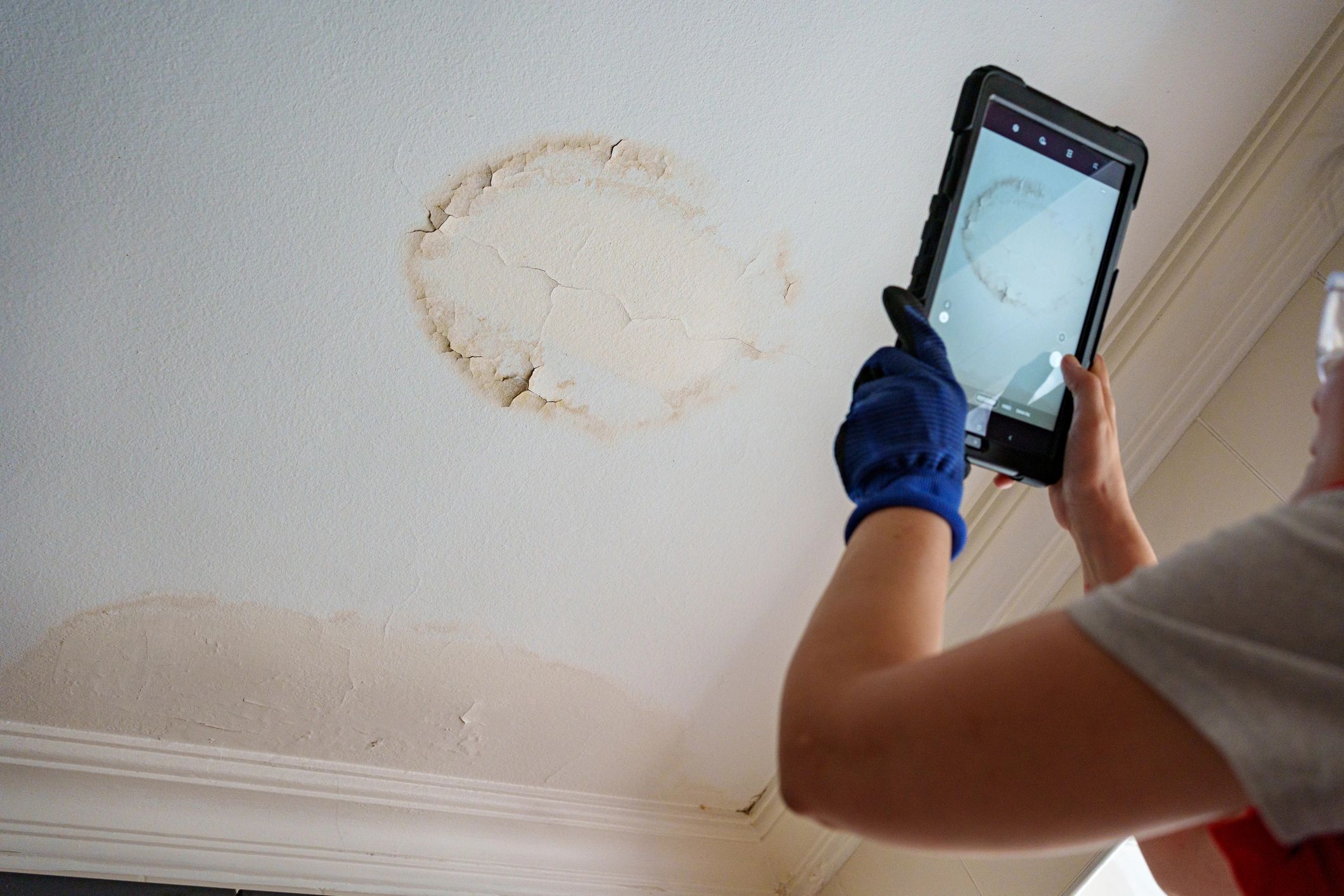
Discoloration often appears as yellowish or brownish stains, distinct from surface-level dirt or mold. These spots suggest past or ongoing water intrusion, possibly from roof leaks, plumbing issues, or condensation in poorly ventilated areas like bathrooms and basements. Bubbling or blistering paint and drywall joint compound signal trapped moisture pushing from behind, weakening the bond between layers. In advanced cases, sagging or soft spots develop, especially in ceiling drywall, where prolonged exposure can compromise structural support.
To catch damage early:
- Inspect walls and ceilings after heavy storms or snowmelt
- Monitor areas near windows, pipes, and exterior walls in Painesville, Madison, and surrounding communities
- Run fingers along suspect areas—you may feel dampness or sponginess before seeing damage
Left unaddressed, hidden moisture fuels mold growth and reduces energy efficiency. If you spot multiple signs, especially in load-bearing walls or ceilings, professional assessment helps determine the source and extent—ensuring repairs restore more than just appearance.
Feel the Wall: Key Physical Clues That Reveal Hidden Moisture Behind Drywall
Spotting water damage early can save homeowners from costly repairs and health risks—especially in regions like Northeast Ohio, where humidity and seasonal weather stress building materials. While drywall may appear intact on the surface, subtle physical changes often signal moisture infiltration behind the walls. Recognizing these signs early helps prevent mold growth, structural weakening, and deterioration of insulation performance.
Start with touch: press gently on suspect areas. Soft spots or spongy resistance indicate water-saturated gypsum core, commonly found near windows, baseboards, or pipes. Unlike solid drywall, damp sections compress slightly and may emit a musty odor. Another red flag is bulging or warped walls—moisture causes drywall to swell, leading to visible ripples or protrusions. In basements or bathrooms throughout Lake County, persistent dampness can cause entire sections to bow outward.
Check for surface dampness even in dry weather. A cool, clammy wall surface often means condensation or capillary action wicking moisture from below. Peeling paint or bubbling wallpaper frequently accompanies these areas, but don’t rely on sight alone—use a moisture meter to confirm readings behind the surface.
If you notice any of these signs:
- Inspect nearby plumbing, roofs, and foundations for leaks
- Monitor humidity levels with a hygrometer
- Consider professional moisture mapping to locate hidden reservoirs
Early detection means faster, more cost-effective solutions. Ignoring physical symptoms only invites bigger problems down the line.
Musty Smells and Damp Clues: What Your Nose Knows About Drywall Damage
A persistent musty odor or unexplained stuffiness in a room isn’t just unpleasant—it could be your first warning of hidden water damage behind drywall. In homes across Northeast Ohio, where humidity fluctuates heavily between damp springs and dry winters, these sensory clues often signal trapped moisture that’s invisible to the eye but harmful over time. Musty smells typically result from mold or mildew growth feeding on damp gypsum and paper backing, especially in poorly ventilated areas like basements, bathrooms, or interior walls adjacent to plumbing.
Watch for environmental giveaways:
- Persistent dampness or condensation on walls, even after wiping
- Peeling paint or bubbling wallpaper without obvious spills
- Sponginess when pressing on wall surfaces near baseboards or ceilings
- Increased allergy symptoms localized to one room, possibly tied to airborne spores
These signs often precede visible staining or bulging, making early detection critical. Moisture can seep from leaking pipes, roof breaches, or condensation within wall cavities—common in older Lake County homes with outdated vapor barriers or insufficient insulation.
To act:
- Use a hygrometer to check humidity levels—anything consistently above 60% raises risk.
- Improve airflow with exhaust fans or dehumidifiers, especially in basements and utility rooms.
- Inspect behind furniture pushed against exterior walls, where temperature differences promote condensation.
Addressing the source—not just the symptom—stops deterioration before structural integrity or indoor air quality suffer.
3 Most Vulnerable Areas for Hidden Water Damage in Your Home
Hidden water damage behind drywall can compromise both the structural integrity and indoor air quality of your home—especially in regions like Northeast Ohio where humidity and seasonal shifts are pronounced. Knowing where moisture likes to hide helps homeowners stay ahead of mold growth, drywall deterioration, and costly repairs. Below are the three most susceptible areas, along with actionable tips to catch early warning signs before damage spreads.
- Bathrooms – The Moisture Hotspot Constant steam from showers and baths makes bathrooms prime real estate for hidden water infiltration. Poor ventilation traps humidity, weakening drywall adhesive and fostering mold behind tiles and vanity walls. Check for soft spots near the tub surround, peeling caulk, or musty odors even when the room is dry. Upgrade exhaust fans to run during and after showers, and inspect grout lines seasonally for signs of swelling or discoloration.
- Kitchens – Beneath the Sink & Behind the Fridge Leaks from supply lines, loose P-traps, or refrigerator ice maker lines often go unnoticed until drywall sags or wallpaper bubbles. The area under sinks is especially vulnerable due to cramped plumbing and temperature differentials that encourage condensation. Pull out base cabinets periodically to inspect for dampness, and listen for dripping sounds behind walls. If your kitchen is on an exterior wall, watch for cold spots where condensation can build up inside the cavity.
- Basements – Where the Damage Starts Underground Even a small basement leak can travel upward through framing, saturating drywall from behind. Look for darkened edges along baseboards, efflorescence (white chalky residue) on concrete, or a spongy feel when pressing on lower wall sections. In homes across Lake County, hydrostatic pressure and cracked foundations often contribute—so proper exterior grading and working sump pumps are critical. If you notice persistent dampness, consider moisture barriers or interior drainage upgrades to protect wall systems above.
Frequently Asked Questions About Detecting Water Damage in Drywall
How can I tell if a drywall discoloration is from water damage?
Yellowish or brownish stains on walls or ceilings are common indicators of water exposure. Unlike mold, water stains typically appear before microbial growth and may darken over time. Look for accompanying signs like bubbling paint, sagging drywall, or a musty odor. In homes across Northeast Ohio, recurring stains—even after painting—are often linked to roof leaks, plumbing issues, or condensation in poorly ventilated attics.
What does soft or spongy drywall mean?
If drywall feels soft or spongy when lightly pressed, it’s likely saturated. Moisture compromises gypsum’s structural integrity, making it dangerously weak. This is especially common around windows, beneath roof leaks, or near unsealed basement walls. Immediate action is required—delaying repairs can lead to mold growth or ceiling collapse.
Can water-damaged drywall be repaired, or does it need replacement?
Minor surface damage with intact backing may be reparable after full drying. However, bulging, sagging, or crumbling drywall must be replaced. Persistent moisture can foster mold behind walls, even if surface stains are patched. Proper restoration includes identifying and fixing the moisture source—common culprits include ice dams, clogged gutters, and faulty flashing.
Why do water stains reappear after patching?
Recurring stains mean the leak source wasn’t addressed. Simply sealing the drywall without fixing roof flashing, plumbing joints, or ventilation gaps leads to repeat damage. In colder climates like Lake County, freeze-thaw cycles worsen hidden leaks, so comprehensive inspection is critical.
Are all water-related wall issues urgent to fix?
Yes. Even small leaks create ideal conditions for mold within 48 hours. Proactive repair protects indoor air quality and prevents costly structural damage down the line.
Stay Ahead of the Damage: Your Action Plan for Healthier Walls
Drywall cracks aren’t just surface flaws—they’re signals. From seasonal expansion in Ohio’s freeze-thaw climate to structural shifts in older Lake County homes, each crack tells a story about what’s happening behind the walls. Hairline splits near ceilings or corners may stem from normal movement, but diagonal cracks above windows, recurring gaps, or splits wider than 1/8 inch often point to deeper issues like foundation settling, poor installation, or moisture damage. Ignoring these signs can lead to costly repairs, reduced energy efficiency, and even mold growth in humid environments.
Proactive homeowners stay ahead by conducting seasonal inspections—especially after winter thaw or heavy rainfall. Check for sticking doors, uneven floors, or bulging walls, which can all indicate structural stress. Monitor existing cracks with a simple pencil mark at the ends to track growth over time. For minor cracks, use flexible joint compound and proper taping techniques to allow for natural movement. However, if cracks persist or worsen despite repairs, it’s time to go beyond cosmetics.
Don’t wait until small issues become major structural concerns. When in doubt, seek a professional assessment from someone experienced with regional building challenges in Northeast Ohio. Early detection and expert insight can save thousands in long-term damage—and keep your home safe, durable, and comfortable for years to come.