
Signs Your Bathroom Subfloor Has Water Damage
3/27/2026
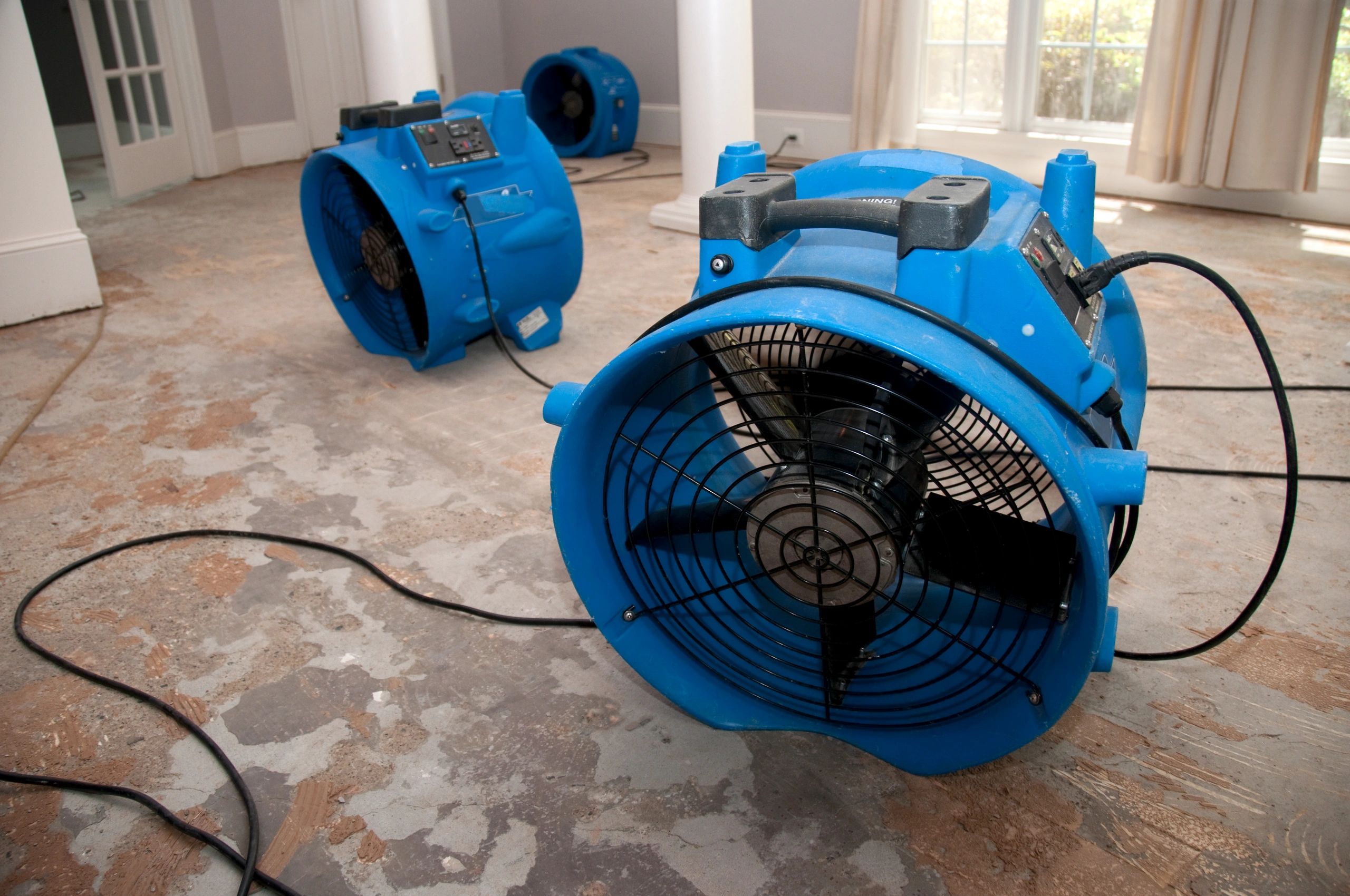
Hidden Dangers Lurking Beneath Your Feet
That slight sponginess under your bathroom tiles might seem like a minor annoyance, but it could be the first warning sign of a far more serious issue—water-damaged subfloor. The subfloor is the foundational layer beneath your flooring, providing structural support and stability. When moisture penetrates this critical layer—often from leaking pipes, shower pans, or persistent humidity—it begins to weaken the material, leading to warping, soft spots, and even microbial growth. In regions like Northeast Ohio and Lake County, where seasonal humidity and older home construction are common, bathrooms are especially vulnerable to this silent threat.
Left undetected, water damage compromises not only the integrity of your flooring but also the structural soundness of the entire room. Rotting wood attracts mold, which poses serious health risks, particularly for those with respiratory conditions. Early identification is key to avoiding costly repairs and hazardous indoor environments. Homeowners should watch for telltale signs like musty odors, squeaky floors, or cracked grout—indicators that moisture may already be taking its toll. Catching the problem early can save thousands in reconstruction and protect your family's well-being. In the following sections, you’ll learn how to spot these warning signs and take proactive steps to maintain a safe, dry bathroom.
7 Telltale Signs Your Bathroom Subfloor Is Suffering From Water Damage
Water damage beneath your bathroom flooring can go undetected for months—sometimes years—until major structural issues arise. Catching the problem early is key to avoiding costly repairs, particularly in homes across Northeast Ohio where humidity and aging plumbing systems increase vulnerability. Here are seven clear warning signs that your bathroom subfloor may be compromised:
- Soft or Spongy Floor Spots When you step near the toilet, shower, or sink and notice the floor flexes underfoot, it’s a red flag. A weakened subfloor loses its rigidity due to prolonged moisture exposure, often from leaking pipes or faulty seals around fixtures.
- Buckled or Warped Flooring Tile, vinyl, or hardwood that lifts, separates, or curves upward indicates trapped moisture below. As the subfloor swells, it pushes against the finished layer, causing visible distortion—especially common in older Lake County homes with outdated moisture barriers.
- Persistent Musty Odors A damp, moldy smell that won’t go away—despite cleaning—is often a sign of hidden mold growth beneath the floor. This biological activity thrives in dark, moist environments and can impact indoor air quality.
- Discoloration or Staining Yellowish, brown, or grayish patches on tile grout or flooring edges can point to water wicking up from below. These stains often appear uneven and resist standard cleaning methods.
- Loose or Cracking Tiles Tiles that shift when stepped on or grout that crumbles easily suggest the subfloor is no longer providing stable support. This can lead to tripping hazards and further water infiltration.
- Visible Mold or Fungal Growth Peeking under the vanity or in adjacent closets may reveal black, green, or white fuzzy growth on plywood or joists—a sure sign of chronic moisture.
- Increased Humidity or Condensation Foggy mirrors beyond normal use or moisture on walls can point to a subfloor that’s releasing trapped water vapor, especially in tightly sealed bathrooms.
If you notice any combination of these signs, prompt inspection and moisture testing are essential to prevent structural compromise and ensure long-term home safety.
Hidden Culprits Behind Bathroom Subfloor Water Damage
Bathroom subfloors are under constant threat from moisture, and understanding the root causes of water damage can prevent costly repairs down the line. One of the most common sources is leaky plumbing fixtures—faulty shower valves, loose toilet wax rings, or dripping vanity supply lines can seep water beneath flooring over time, often without immediate visible signs. Even a slow drip under the sink can saturate plywood or OSB subflooring, leading to soft spots and structural compromise.
Poor ventilation is another major contributor, especially in older homes throughout Lake County and other high-humidity regions. Without adequate airflow, steam from showers lingers, condensing under tiles and around baseboards, which gradually weakens the subfloor’s integrity. Installing a properly sized exhaust fan and using it consistently can dramatically reduce this risk.
Clogged drains shouldn’t be overlooked—when water backs up from a shower or tub, it may not fully exit the pan, creating prolonged exposure to standing water that eventually breaches the seal and reaches the subfloor. Similarly, foundation issues, such as settling or cracks in the home’s slab or crawlspace, can redirect groundwater toward the bathroom, increasing moisture levels beneath the floor.
To protect your home:
- Inspect plumbing connections annually
- Run exhaust fans for at least 20 minutes post-shower
- Clear drain lines regularly with safe cleaning methods
- Monitor for floor sagging, squeaks, or musty odors
Early detection and preventive maintenance are key to avoiding major restoration work later.
How to Safely Inspect Your Bathroom Subfloor for Water Damage
Catching water damage early can save homeowners in Lake County and throughout Northeast Ohio from costly repairs and structural issues. Follow this step-by-step guide to inspect your bathroom subfloor safely and effectively.
- Turn Off Water Sources and Power Shut off the water supply to the toilet, sink, and shower. If you’re removing flooring near outlets or lights, turn off the circuit breaker for safety—especially critical in moisture-prone areas.
- Gather Essential Tools You’ll need a flashlight, screwdriver, utility knife, pry bar, moisture meter (ideal for detecting hidden dampness), and protective gear like gloves and safety glasses.
- Check Around the Toilet Base Look for discoloration, softness, or swelling in the floor. Gently press a screwdriver into the area near the toilet flange—if it penetrates easily, the subfloor is likely compromised.
- Inspect Under the Sink and Vanities Peek beneath plumbing fixtures for water stains, mold, or condensation. Look up from below if you have access through a basement or crawlspace.
- Examine Edges of Showers and Tubs Focus on grout lines and caulking. Soft, spongy flooring near shower pans often indicates leaking liners or failed waterproofing.
- Lift a Small Section if Needed Use a utility knife to carefully cut through tile or vinyl near a corner. Check the underlying plywood or cement board for warping, dark spots, or delamination.
Always document your findings and consider consulting a local handyman if repairs are needed—especially in older homes where chronic moisture affects flooring integrity.
The Hidden Dangers of Ignoring Bathroom Subfloor Damage
Failing to address water-damaged bathroom subfloors can lead to serious, costly issues that extend far beyond cosmetic concerns. Over time, persistent moisture weakens the structural integrity of the subfloor, compromising the stability of your entire bathroom assembly. This deterioration can result in sagging floors, cracked tiles, and even safety hazards like buckling or collapse underfoot—especially in older homes throughout Lake County where construction materials may already be under stress from years of humidity exposure.
Beyond structural risks, damp subfloors create an ideal breeding ground for mold and mildew. These organisms can spread quickly beneath flooring and into wall cavities, posing health risks and requiring extensive remediation. Additionally, the organic material in subflooring—often plywood or oriented strand board (OSB)—attracts pests such as carpenter ants and termites, which further accelerate wood degradation.
Neglecting repairs also impacts long-term property value. Homebuyers in Northeast Ohio are increasingly aware of moisture-related issues, and signs of unresolved water damage can raise red flags during inspections. Addressing subfloor damage early not only prevents escalation but ensures your bathroom remains safe, healthy, and market-ready for years to come.
Frequently Asked Questions About Bathroom Subfloor Water Damage
How can I tell if my bathroom subfloor has water damage?
Common signs include soft or spongy spots underfoot, visible sagging or uneven flooring, persistent musty odors, discoloration or warping of tiles or vinyl, and grout that crumbles easily. In advanced cases, floors may shift or creak when walked on. Early detection is key to avoiding costly structural repairs, especially in older homes across Northeast Ohio where moisture retention can accelerate deterioration.
Can water-damaged subfloors be repaired, or do they need full replacement?
Minor damage may be repairable by cutting out and replacing only the affected sections, provided the surrounding wood is sound. However, widespread rot, mold growth, or structural compromise usually requires complete subfloor replacement. Always use moisture-resistant materials like exterior-grade plywood or cement board in bathrooms to improve longevity.
What causes subfloor water damage in bathrooms?
Leaky plumbing, faulty shower pans, poorly sealed tubs or toilets, and inadequate ventilation leading to condensation buildup are the most common culprits. Even small, slow leaks under sinks or behind toilets can saturate subfloors over time, particularly in tightly sealed modern bathrooms found in homes throughout Lake County.
How do I prevent future subfloor water damage?
Ensure all fixtures are properly sealed and caulked, maintain exhaust fans to reduce humidity, and inspect plumbing connections annually. Install water-resistant underlayment and use grout and caulk that are rated for wet areas. Promptly address visible moisture or leaks before they penetrate deeper layers.
Is mold always present with subfloor water damage?
Not always, but damp, dark conditions beneath flooring create an ideal environment for mold growth within 48–72 hours of water exposure. If you detect a musty smell or see discoloration on the subfloor, assume mold may be present and take precautions during inspection or repair.
Should I attempt subfloor repairs myself?
DIY repairs are possible for small, accessible areas with clear damage boundaries. However, improper drying, incomplete removal of compromised material, or incorrect support framing can lead to recurring issues. For extensive damage or uncertainty, professional evaluation is recommended to ensure structural integrity and code compliance, especially in older homes with outdated construction standards.
Don’t Wait Until It’s Too Late: The Smart Homeowner’s Final Step
Water-damaged bathroom subfloors are more than a renovation inconvenience—they’re a serious threat to your home’s structural integrity and indoor air quality. Over time, unchecked moisture can lead to soft, crumbling wood, persistent musty odors, and even mold growth behind walls or under flooring, especially in humid climates like Northeast Ohio. Recognizing early signs like spongy flooring, tile cracks, or visible discoloration around the base of the toilet gives you the chance to act before extensive repairs become necessary. Regular inspections, particularly in high-moisture zones like bathrooms, are essential for early detection and long-term home maintenance.
If you’ve noticed any red flags, don’t delay. Start by turning off the water supply and removing standing water if present. Then, schedule a professional assessment to accurately diagnose the extent of the damage and determine whether localized repair or full subfloor replacement is needed. A qualified local handyman with experience in residential water damage repair can ensure proper drying techniques, mold prevention, and code-compliant restoration.
Protect your investment—take action now with a trusted expert in Lake County who understands local building standards and common household challenges. Your home’s durability and safety depend on it.