
Signs You Need Bathroom Subfloor Repair Before Retiling
9/25/2026
Why the Foundation Matters for Your New Tile
When homeowners in Lake County plan a bathroom remodel, they often focus on the aesthetic choices: the color of the porcelain, the pattern of the grout, or the style of the new vanity. However, the most critical component of a successful floor renovation is one you cannot see once the project is finished. The subfloor acts as the foundation for your tile. If you install expensive new tile over a damaged or rotting subfloor, the structural movement will eventually cause your new tiles to crack and your grout lines to crumble. Identifying issues early saves you from costly repairs down the road.
Spongy Spots and Soft Floors
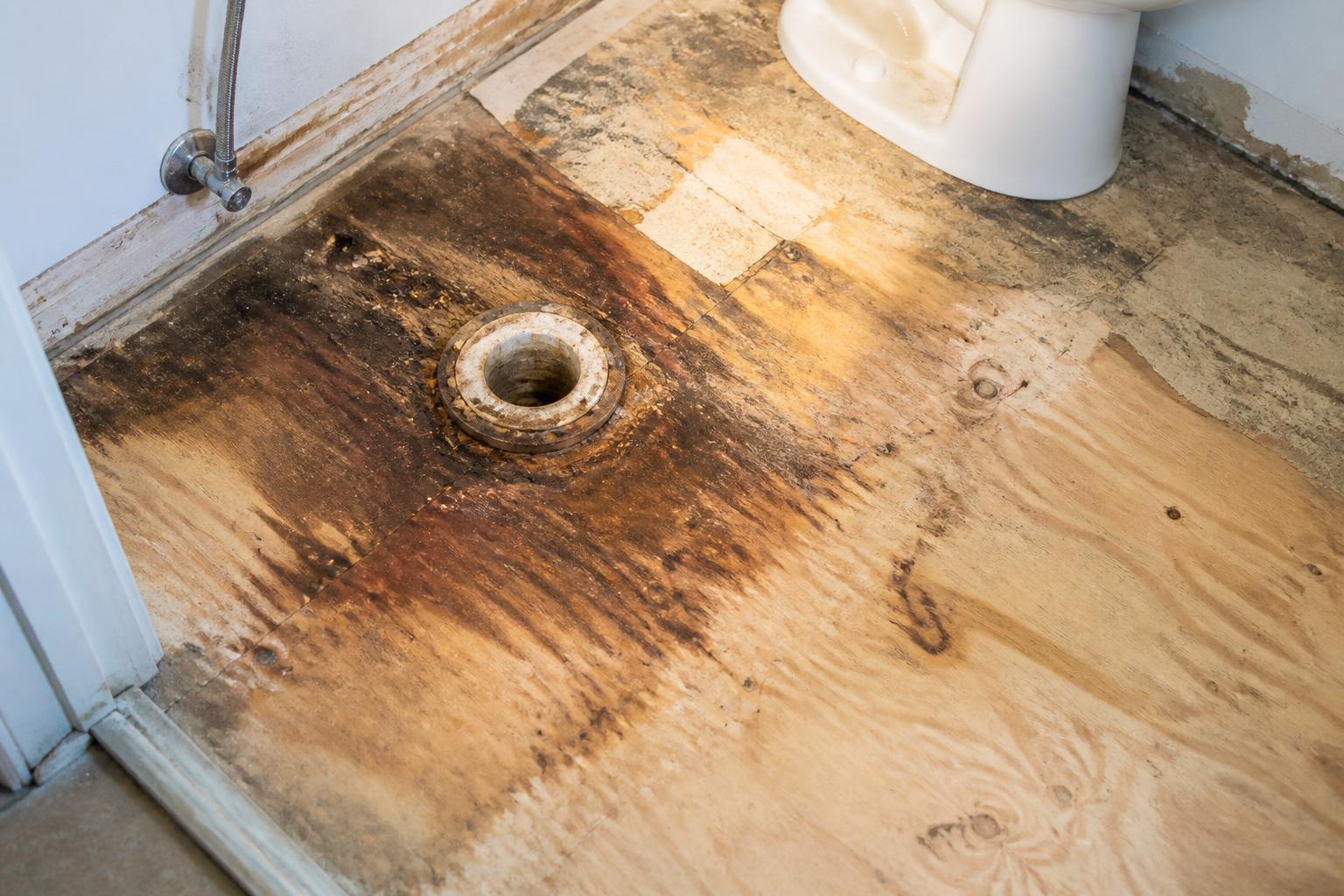
One of the most obvious signs that your subfloor has been compromised is a change in the way the floor feels underfoot. If you step near the toilet or the bathtub and notice a "spongy" sensation or a slight bounce, the wood underneath has likely absorbed significant moisture. In Northeast Ohio homes, especially older residences in Willoughby or Painesville, years of small leaks or high humidity can lead to wood rot. A solid subfloor should feel firm and rigid; any deflection or sinking is a clear indicator that the plywood or OSB needs to be replaced before any tiling begins.
Persistent Musty Odors
Sometimes your nose detects a problem before your eyes do. If your bathroom consistently smells like damp earth or mildew, even after a deep cleaning, moisture may be trapped beneath the floorboards. Water often seeps through failing grout or around the base of a leaking toilet, saturating the subfloor. Once moisture is trapped in the dark space between the subfloor and the joists, mold can begin to grow. Removing the old flooring to inspect the subfloor is the only way to ensure you aren't sealing a health hazard underneath your new renovation.
Cracked Grout and Loose Tiles
If your current tile floor has widespread cracking or tiles that have physically detached from the thinset, it is rarely just a cosmetic issue. While a single cracked tile might be the result of a heavy dropped object, a spiderweb of cracks usually points to structural movement. When a subfloor weakens due to water damage or improper installation, it flexes whenever someone walks across the room. Since tile and grout are rigid, they cannot handle this movement and will break. If you see these patterns, expect to perform subfloor repairs to create a flat, stable surface for your new installation.
Water Stains on the Ceiling Below
For Lake County homeowners with two-story homes, the first sign of a bathroom subfloor issue often appears on the first-floor ceiling. If you notice brownish rings or bubbling paint in the room directly beneath your upstairs bathroom, you have an active or historical leak. By the time water travels through the subfloor and hits the drywall below, the subfloor itself is almost certainly damaged. Addressing the leak and replacing the affected subfloor sections is a mandatory step before you invest in a new bathroom floor.
Contact Lake County Handymen for a Professional Inspection
Ensuring your bathroom remodel starts on a solid foundation is the best way to protect your investment. At Lake County Handymen, we specialize in identifying and repairing subfloor damage to ensure your new tile looks great and lasts for decades. We serve neighbors throughout Mentor, Painesville, and the surrounding Lake County communities. Contact Lake County Handymen today to schedule a consultation and receive a free estimate for your bathroom renovation project.