
Pre-Emergent vs. Post-Emergent Weed Killer
11/14/2025
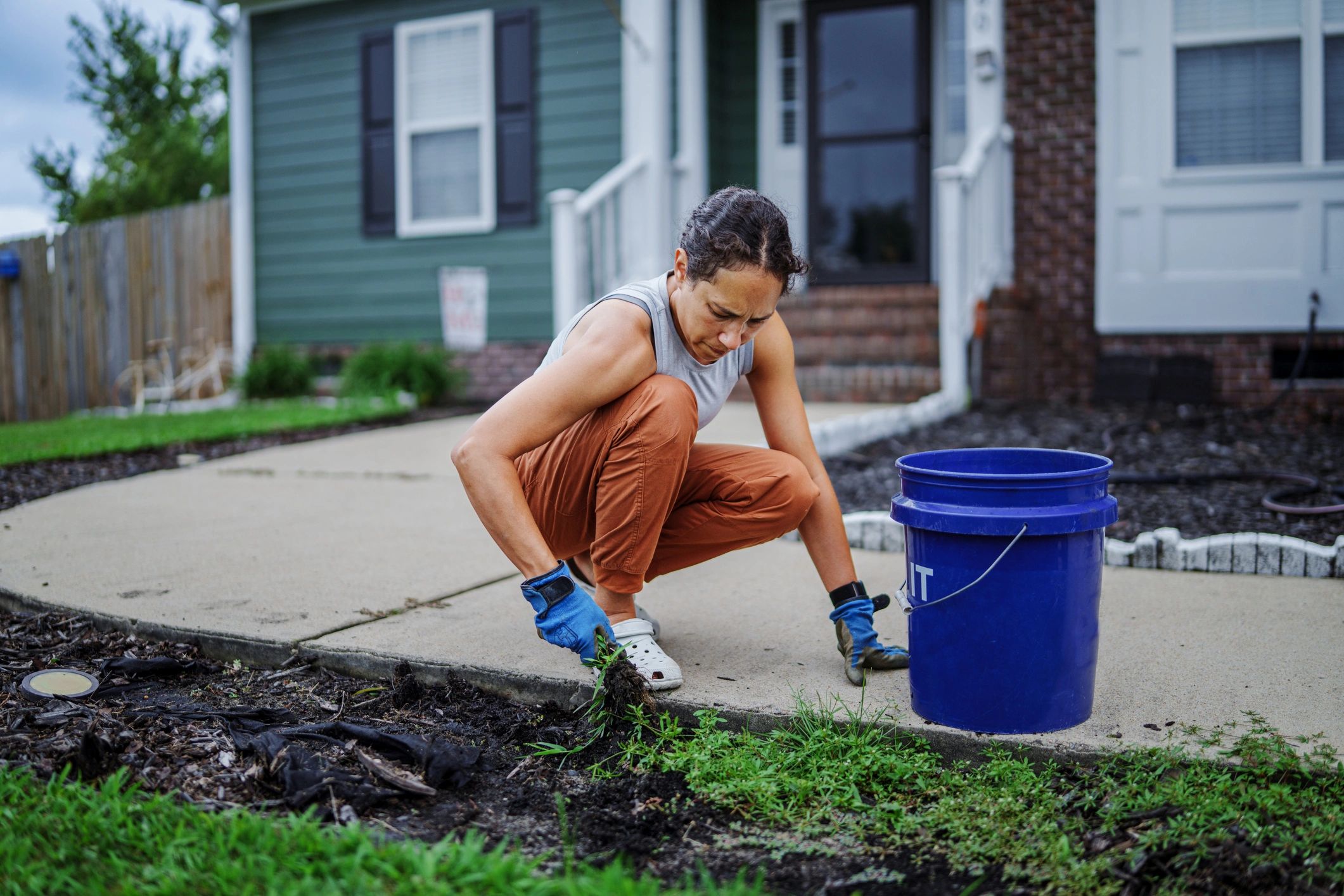
Cracks, Weeds, and Concrete: What’s Lurking in Your Driveway?
Driveways across suburban neighborhoods like those in Lake County and throughout Northeast Ohio face a relentless battle—not just from ice, salt, and heavy vehicles—but from an uninvited green invasion: weeds. It’s more than an eyesore. Left unchecked, persistent weed growth in pavement cracks can accelerate structural damage, loosen pavers, and diminish curb appeal. Understanding the science behind pre-emergent vs. post-emergent weed killers is essential to getting ahead of the problem, not just reacting to it. For homeowners and property managers, choosing the wrong product or applying it at the wrong time can mean wasted effort and recurring infestations.
This section sets the foundation for making informed decisions about weed control. You’ll learn how common weeds like crabgrass, dandelions, and creeping Charlie exploit seasonal shifts and pavement weaknesses. More importantly, you’ll discover why timing, application method, and weed lifecycle stage determine whether your herbicide strategy succeeds or fails. We’ll break down the key differences between preventive and reactive treatments, helping you align your approach with long-term pavement maintenance goals. Whether you're working with asphalt, concrete, or interlocking pavers, the right strategy starts with knowing when—and how—to act.
Stop Weeds Before They Start: How Pre-Emergent Weed Killers Work
Pre-emergent weed killers are a proactive defense designed to stop weeds before they ever break the soil surface. Unlike treatments that target visible plants, pre-emergents create an invisible barrier in the soil that disrupts the germination process of weed seeds. This type of herbicide doesn’t kill existing weeds but effectively prevents common offenders like crabgrass, foxtail, and dandelions from sprouting in the first place.
These products work by inhibiting root formation in newly germinating seeds, essentially stopping development at the earliest stage. For maximum effectiveness, application timing is critical—typically in early spring or fall, just before soil temperatures reach levels that trigger seed germination. In regions like Northeast Ohio, where seasonal shifts influence weed growth cycles, applying pre-emergent herbicides in late February to early April aligns with local climate patterns and delivers the best results.
Key tips for effective use:
- Apply before germination—once weeds are visible, it’s too late
- Water after application to activate the chemical barrier
- Avoid aerating or tilling after treatment, as this disrupts the protective layer
By integrating pre-emergent weed control into a seasonal maintenance plan, homeowners and property managers can significantly reduce weed pressure, minimize reliance on post-emergent chemicals, and maintain cleaner, healthier lawns and landscapes year-round.
What Are Post-Emergent Weed Killers and How Do They Work?
Post-emergent weed killers target weeds that have already sprouted and are actively growing above the soil surface. Unlike pre-emergent herbicides that create a chemical barrier to prevent seed germination, post-emergents are designed to eliminate existing weeds in lawns, gardens, and landscaping beds. These herbicides are absorbed through the plant’s leaves and stems, traveling systemically to disrupt essential growth processes—ultimately leading to the weed’s collapse.
Post-emergent weed killers are most effective against broadleaf weeds like dandelions, clover, and chickweed, as well as certain annual and perennial grassy weeds such as crabgrass and nutsedge. For best results, apply when weeds are young and actively growing, typically in early spring or fall. Cool, dry weather with no rain forecast for at least 24 hours ensures proper absorption.
Key tips for effective use:
- Spot treat individual weeds or small infestations to minimize chemical exposure
- Use selective herbicides to protect desirable grasses while killing weeds
- Avoid mowing 2–3 days before and after application to allow full leaf absorption
- Apply in the early morning or late afternoon to reduce evaporation
In regions like Northeast Ohio and Lake County, where variable rainfall and soil types influence weed growth cycles, timing and product selection are crucial. Always follow label instructions and consider spot-treating first before broad application, especially near ornamental plants or garden edges.
Choosing the Right Weed Killer for Your Driveway: Pre-Emergent vs. Post-Emergent Compared
When tackling stubborn weeds on driveways in Northeast Ohio, understanding the differences between pre-emergent and post-emergent weed killers is essential for long-term control. Pre-emergent herbicides work by creating a chemical barrier in the soil, preventing weed seeds from germinating—ideal for use in early spring before soil temperatures rise. They're highly effective against annual weeds like crabgrass and are best applied on clean, dry pavement. However, they offer no control over weeds already growing through cracks.
Post-emergent herbicides, on the other hand, are designed to kill existing weeds, making them the go-to solution for driveways already showing green growth. Applied when weeds are actively growing, typically late spring through summer, they deliver fast results but require precise targeting to avoid damage to nearby landscaping.
In terms of timing:
- Pre-emergent: Apply in early spring—before April 15 in Lake County—once soil begins to warm but before weeds sprout.
- Post-emergent: Use when weeds are visible and actively growing, usually after mid-April.
Environmentally, pre-emergent products tend to have longer residual activity, which can impact soil health over time if overused. Post-emergent formulas act quickly but may require repeat applications, increasing runoff risk during rain.
Cost-wise, pre-emergents are often more economical for prevention, while frequent post-emergent use can add up. For driveways, a dual approach—pre-emergent in spring followed by spot treatments with post-emergent as needed—provides the best balance of effectiveness and value.
Step-by-Step Guide to Applying Pre-Emergent and Post-Emergent Weed Killers on Driveways
Eliminating unwanted weeds from driveway cracks requires the right timing, technique, and product selection. Here’s how to effectively apply both pre-emergent and post-emergent weed killers for long-term results.
- Assess the Weeds and Timing First, identify whether weeds are already growing (post-emergent needed) or likely to sprout soon (pre-emergent ideal). In Lake County and similar climates, apply pre-emergent weed killer in early spring before soil temperatures reach 50°F—this stops new weed seeds from germinating.
- Clear and Prep the Surface Remove debris, loose gravel, and existing weeds with a stiff brush or pressure washer. A clean surface ensures better chemical adhesion and penetration into cracks where weeds emerge.
- Choose the Right Product Type For visible weeds, use a post-emergent herbicide containing glyphosate or dicamba, applied directly to foliage. For prevention, select a granular or liquid pre-emergent containing pendimethalin or prodiamine, which creates a barrier in cracks.
- Apply with Precision Using a handheld spreader or spray bottle, target only affected areas. For pre-emergent, evenly distribute granules and lightly water to activate. For post-emergent, spray when weeds are actively growing, ideally on a dry, windless day.
- Follow Safety and Reapplication Guidelines Wear gloves and eye protection. Avoid overspray onto nearby grass or landscaping. Reapply pre-emergent every 6–8 weeks during peak growing seasons and spot-treat new growth with post-emergent as needed.
Driveway Weed Control: Your Pre-Emergent vs. Post-Emergent Questions Answered
Can I use pre-emergent weed killer on my driveway?
Yes, pre-emergent herbicides are effective on driveways to prevent weeds like crabgrass and dandelions from sprouting in cracks and seams. Apply in early spring or fall before soil temperatures rise, ensuring even coverage across paved surfaces. Avoid over-application, as runoff can affect nearby绿化 areas.
Is post-emergent safe for concrete or asphalt driveways?
Absolutely—post-emergent herbicides safely eliminate existing weeds growing through pavement cracks. Choose a non-selective formula for broad-spectrum control, and apply on a dry, windless day to prevent drift. Spot-treat weeds to minimize chemical use and protect surrounding landscaping in Lake County yards.
How do I stop weeds from growing in driveway cracks?
Seal cracks annually and apply a pre-emergent in early spring. For immediate results, use a weeding tool or flame weeder, then follow with herbicide. Regular sweeping prevents debris buildup that seeds latch onto.
When should I apply pre-emergent vs. post-emergent on driveways?
Apply pre-emergent before weed seeds germinate—typically late winter to early spring. Use post-emergent any time visible weeds appear, ideally when they’re young and actively growing for maximum absorption.
Will weed killers damage my driveway surface?
Most herbicides are safe for concrete and asphalt when used as directed. Avoid formulations with added solvents or high acidity that may discolor older pavement. Rinse the surface afterward if residue is visible.
How often should I treat my driveway for weeds?
Plan two pre-emergent applications yearly—spring and fall—and spot-treat with post-emergent as needed. Homes in humid Northeast Ohio climates may require more frequent monitoring due to rapid weed seed dispersal.
Making the Right Choice for Your Driveway’s Long-Term Health
Choosing between pre-emergent and post-emergent weed control isn’t just about timing—it’s about protecting your driveway’s appearance and structural integrity over time. Pre-emergent herbicides stop weeds before they take root, making them ideal for seasonal maintenance in early spring or fall, especially in regions like Northeast Ohio where soil temperatures shift dramatically. These treatments form a chemical barrier that discourages crabgrass, dandelions, and other common invaders from germinating in cracks and seams. On the other hand, post-emergent weed killers are your go-to solution for existing growth, delivering targeted results on visible weeds—but they require careful application to avoid staining concrete or harming nearby landscaping.
For driveways prone to recurring infestations, a dual-strategy approach often delivers the best long-term results: apply pre-emergent treatments preventively and keep post-emergent options on hand for spot treatments. Always consider material compatibility—especially for stamped, colored, or older concrete—as harsh chemicals can cause discoloration. For homeowners in Lake County and similar climates, scheduling treatments with seasonal transitions maximizes effectiveness.
Your next step? Inspect your driveway this season for early signs of weed growth and plan your first preventive application accordingly. For challenging cases or sensitive surfaces, consulting a local expert ensures safe, effective treatment tailored to your home’s unique needs. Protect your investment with smart, strategic weed control.