
How to Remove Old Wallpaper
12/26/2025
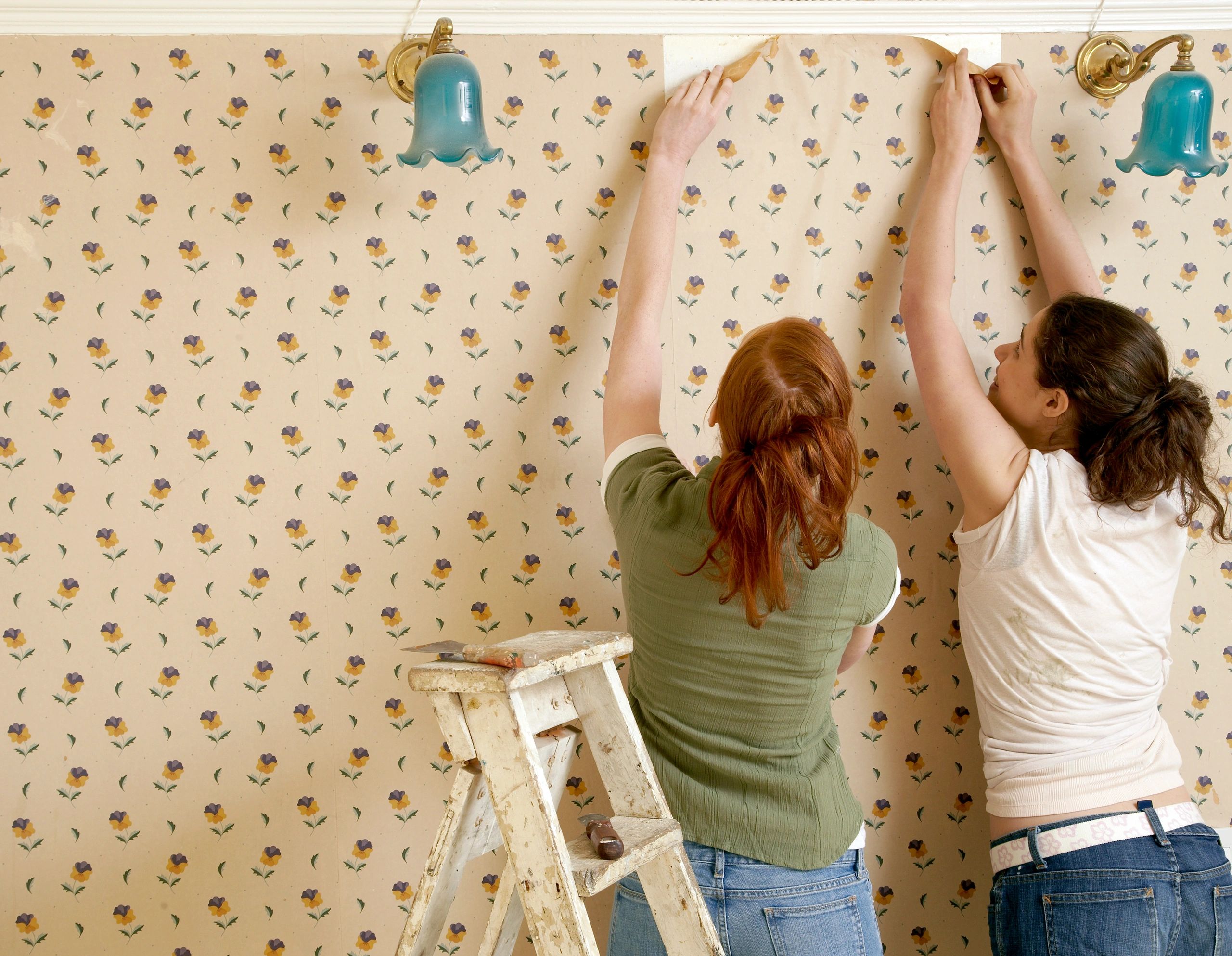
Why Stripping Old Wallpaper Is the First Step to a Flawless Paint Job
Peeling, bubbling, or outdated wallpaper isn’t just an eyesore—it’s a roadblock to a professional-quality paint finish. Before picking up a brush or roller, removing old wallpaper properly ensures your new paint adheres smoothly and lasts for years. Many homeowners in Northeast Ohio attempt to paint over existing wallpaper, only to see cracks, seams, and uneven textures emerge over time. This shortcut often leads to costly rework and frustration. The truth is, drywall needs to breathe, and trapped moisture behind non-breathable wallpaper can promote mold growth—especially in humid basements common in Lake County homes. Stripping it away allows you to inspect the underlying surface for damage, make necessary repairs, and create a clean, smooth canvas. Whether you're dealing with stubborn vinyl, fragile fabric-backed styles, or decades-old paper, the removal process varies based on material and adhesive type. Using the right tools—like a scoring tool, liquid wallpaper remover, or steam stripper—can dramatically reduce effort and time. You’ll learn the step-by-step methods that pros use, safety precautions to follow, and how to prep the wall for priming and paint. By investing time upfront, you’ll achieve a seamless, durable finish that enhances your home’s value and aesthetic appeal.
Your Essential Wallpaper Removal Toolkit: 7 Must-Have Supplies for a Clean Strip
Tackling old wallpaper can be a game-changer for your space, especially in older homes across Lake County where outdated designs still linger. But success hinges on having the right tools before you make the first scrape. Armed with the proper equipment, you’ll reduce effort, prevent wall damage, and speed up the entire process—whether you're prepping for a fresh coat of paint or showcasing authentic plasterwork.
- Wallpaper Scoring Tool Use a manual or electric scorer to create tiny perforations in the paper, allowing removal solutions to penetrate vinyl or laminated layers. This step is critical for non-porous wallpapers common in Northeast Ohio homes built between the ’70s and early 2000s.
- Steamer or Chemical Solution Sprayer A handheld steamer softens adhesive without harsh chemicals, ideal for lead-safe homes. Alternatively, a garden-style sprayer delivers eco-friendly removal solution evenly, reducing splatter and waste.
- Wide Scraper with Replaceable Blades Opt for a 4- to 6-inch scraper with a comfortable grip. Carbide-tipped blades handle stubborn spots without gouging drywall or plaster, preserving your wall's integrity.
- Putty Knives (Multiple Sizes) Narrow blades help lift edges, while wider ones efficiently peel large sections. Keep several on hand—bent or dulled blades slow progress.
- Heavy-Duty Drop Cloths Plastic or canvas cloths protect floors from water, adhesive, and debris. Secure edges to prevent slips, especially in high-traffic areas.
- Protective Gear Safety goggles, rubber gloves, and a dust mask shield you from loose particles and cleaning agents—crucial when working in poorly ventilated spaces like basements or bathrooms.
- Sponges and Tack Cloths Use damp sponges to wipe residual glue, and dry tack cloths to prep the surface for painting or priming. A clean wall ensures flawless results every time.
Step-by-Step Guide to Removing Old Wallpaper: From Prep to Finish
Removing old wallpaper doesn’t have to be a messy, frustrating job—if you follow a proven process. With the right tools and techniques, homeowners in Northeast Ohio can achieve clean, smooth walls ready for paint or new design finishes. Start by turning off power near work areas and covering floors with drop cloths to protect against moisture and debris.
- Score and Test Use a wallpaper scoring tool to create tiny perforations, allowing remover solution to penetrate. Test a small, inconspicuous area first to confirm the wallpaper type and reaction to moisture.
- Apply Remover Solution Choose a commercial wallpaper remover or a DIY mix of water and fabric softener. Spray evenly using a pump sprayer, working in 3x3 foot sections. Let it sit for 10–15 minutes to soften the adhesive.
- Scrape Carefully Use a wide, sharp刮刀 (drywall knife) at a 30-degree angle to lift paper without gouging drywall. Work top to bottom in smooth strokes, rewetting stubborn areas as needed.
- Handle Seams and Corners Old seams often hold the most residue. Use a putty knife to gently lift edges, then a damp sponge to wipe away lingering glue. For delicate trim or textured walls in older Lake County homes, switch to a soft-bristle brush to avoid damage.
- Final Clean and Inspect Rinse walls with clean water, then let dry completely. Check for smoothness and repair minor drywall blemishes before priming.
Pro tip: High-humidity days can slow drying—plan your project accordingly. Always wear gloves and eye protection for safety.
Overcoming Common Hurdles When Stripping Old Wallpaper
Removing old wallpaper can quickly shift from a DIY dream to a frustrating challenge without the right approach. Whether you're prepping a space for a fresh accent wall or restoring original finishes in your Northeast Ohio home, knowing how to handle frequent obstacles ensures a smoother, more professional result.
One of the most persistent issues is adhesive residue. Even after the paper is gone, sticky glue often lingers, especially with older vinyl or prefabricated wallpapers. Combat this by using a fabric softener and water solution (1:3 ratio) or a commercial wallpaper remover gel. Apply, let it dwell for 10–15 minutes, then scrape with a wide putty knife or drywall scraper held at a low angle to avoid gouging.
Fragile drywall is another concern—particularly in older homes where layers of patching and paint have weakened the surface. Always test a small area first and avoid aggressive scrubbing. Use a scoring tool lightly to perforate the paper before applying remover, allowing solutions to penetrate without damaging the wall beneath.
For multiple wallpaper layers, patience is key. Repeat the softening and scraping process for each layer. Work in small sections, and rinse walls with clean water afterward to prevent residue from interfering with new paint or wallpaper adhesion. In trickier cases—especially in high-moisture areas like kitchens or bathrooms in Lake County—consider professional assistance to avoid irreversible wall damage.
Get Your Questions Answered: Smart Tips for Tackling Wallpaper Removal
Removing old wallpaper can be a rewarding part of any home refresh—especially for homeowners in Northeast Ohio preparing for a new paint job or room transformation. Before you begin, it’s essential to understand what type of wallpaper you’re dealing with to avoid damage to your walls. Most wallpapers fall into three categories: vinyl, which is often top-layered and strippable; non-woven, which usually peels off easily when dry; and traditional paper, which requires soaking to loosen adhesive. A simple test—gently peeling a corner—can help identify the type.
Can I just paint over existing wallpaper?
Generally, no. Painting over wallpaper often leads to bubbling, peeling, and a patchy finish. Over time, trapped moisture can promote mold, especially in high-humidity areas like kitchens and bathrooms in Lake County. Proper removal ensures a smooth, durable surface.
How do I handle textured walls underneath?
After removing wallpaper, some texture may come with it. Lightly sand imperfections and use a patching compound to restore consistency. For heavily damaged areas, consider re-texturing to match the rest of the room.
What tools do I need?
A wallpaper scoring tool, spray bottle or chemical remover, wide putty knife, and drop cloths are essential. Steaming works well for stubborn layers, especially on older plaster walls common in historic homes.
Should I call a pro for large or delicate jobs?
If you’re dealing with multiple layers, delicate wall surfaces, or suspect lead paint, professional help ensures safe, thorough results without unnecessary risk or delays.
Wrapping Up: A Smooth Wall Is the Foundation of a Stunning Finish
You’ve made it through the process—peeling away old wallpaper can be messy and demanding, but the payoff is worth every effort. As you’ve learned, proper surface preparation is not the final step; it’s the real foundation of any successful paint or remodel project. Skipping prep may save time initially, but it leads to poor adhesion, uneven finishes, and call-backs that cost more in labor and materials down the line. Take the time to fully strip adhesive residue, repair damaged drywall, sand smooth, and prime before moving forward.
In homes across Lake County and Northeast Ohio, where older properties often carry decades of layered updates, patience during removal ensures your new finish lasts. Remember to use the right tools—scoring tools, steamers, or chemical removers—based on the wallpaper type and wall condition. Always protect baseboards, floors, and electrical fixtures during the process.
Now that the old is gone, inspect the bare wall with fresh eyes. Address any moisture issues, cracks, or texture inconsistencies before painting. A clean, flat, and dry surface guarantees professional results and enhances indoor air quality and durability.
Ready for the next phase? Test your chosen paint in natural light and consider consulting a local specialist to ensure flawless execution. Your walls are ready—now make them shine.