
How Soil Amendments Transform Garden Beds
8/18/2025
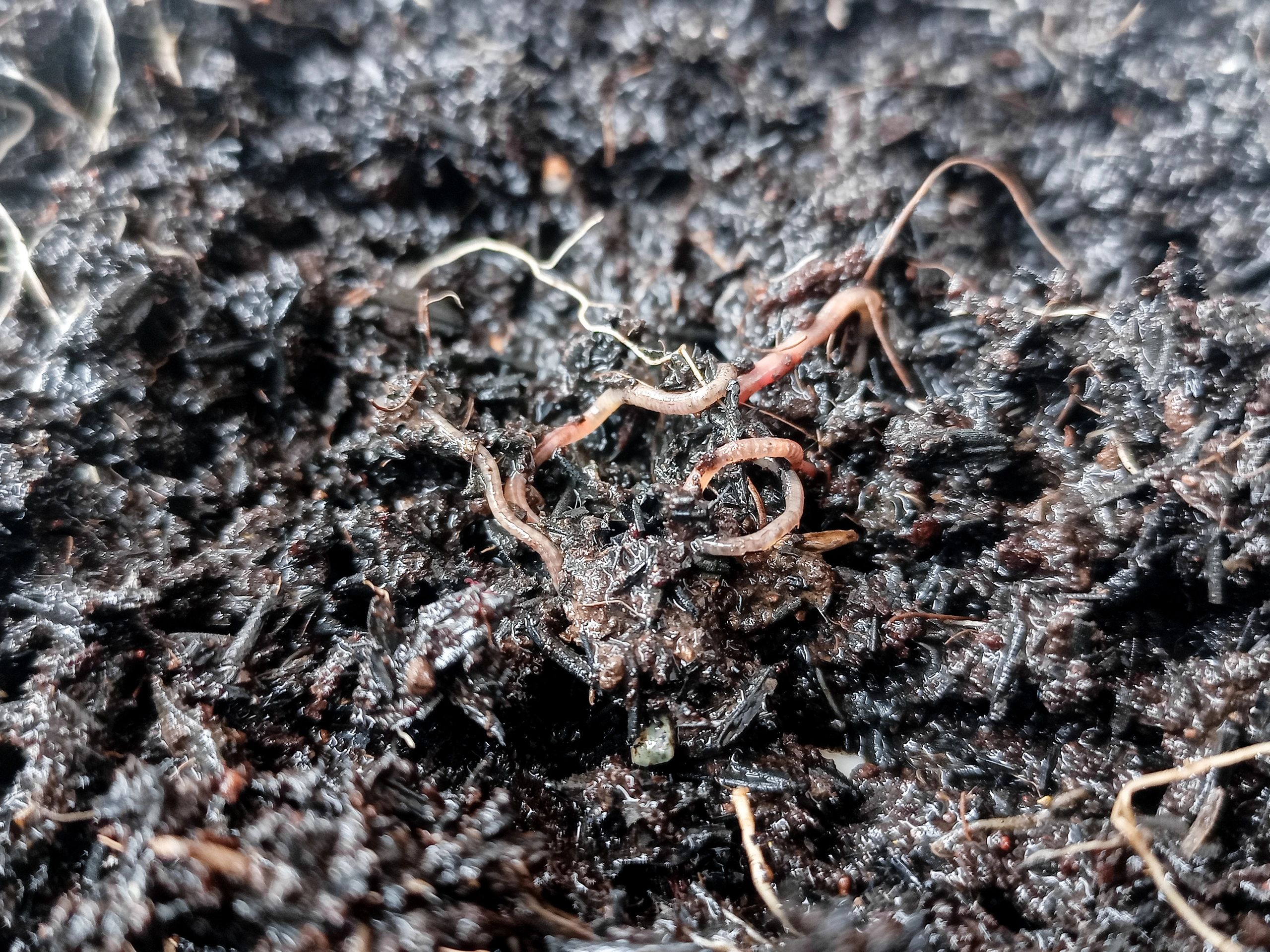
The Secret to Thriving Garden Beds Starts Underfoot
Healthy gardens don’t happen by chance—they start with what lies beneath. In regions like Northeast Ohio, where clay-heavy soils and extreme temperature swings challenge plant vitality, amending the soil is a foundational step toward long-term success. Soil amendments—organic or mineral materials added to improve soil structure, nutrient content, and drainage—play a critical role in transforming dense, compacted earth into a thriving ecosystem for roots. Whether you're growing vegetables in Medina, ornamentals in Painesville, or tending shady nooks in Ashtabula, understanding when and how to amend your garden beds can dramatically improve plant performance.
This guide will explore how different amendments—compost, aged manure, perlite, and more—address common soil issues like poor aeration, nutrient depletion, and water retention. You’ll learn how to assess your soil type, match amendments to your garden’s needs, and apply them at the right time of year. With practical tips tailored to the Midwest’s seasonal shifts, you’ll gain the knowledge to build living soil that supports vigorous growth, reduces reliance on synthetic fertilizers, and enhances drought resilience. By focusing on soil health first, you set the stage for gardens that thrive year after year—naturally.
5 Essential Soil Amendments Every Northeast Ohio Gardener Should Know
Improving garden bed performance starts with understanding the right soil amendments for your region’s unique challenges. In Northeast Ohio, where heavy clay soils and fluctuating temperatures affect plant health, amending the ground properly can mean the difference between thriving plants and stunted growth. These five tried-and-true soil conditioners address common issues like compaction, pH imbalance, and poor drainage—giving your garden beds a strong foundation.
1. Compost – The Organic Powerhouse
Compost is the gold standard for enriching garden soil, especially in areas with dense clay. Packed with beneficial microbes and humus, it improves soil structure, enhances water retention, and gradually releases essential nutrients like nitrogen, phosphorus, and potassium. For best results, mix 2–3 inches into the top 6–8 inches of soil before planting. In Northeast Ohio, using locally made compost helps adapt beds to regional organic matter content and climate cycles.
2. Aged Manure – Slow-Release Fertility Boost
Well-rotted manure from cows, horses, or chickens adds rich organic matter and boosts microbial activity. It’s particularly useful for vegetable gardens and flower beds in Medina or Lake County, where fertility demands are high. Always use aged manure—fresh applications can burn roots and introduce weeds. Apply in fall or early spring and till lightly to avoid disturbing soil structure.
3. Gypsum – The Clay Buster
Unlike lime, gypsum doesn’t change soil pH but works wonders on compacted clay by flocculating soil particles—essentially loosening tight layers to improve root penetration and water movement. Ideal for backyard gardens in Ashtabula or Cuyahoga County, apply 20–30 pounds per 1,000 square feet and water deeply to activate.
4. Lime – Balancing Acidic Soils
Many Northeast Ohio soils lean acidic due to leaching from heavy rainfall and pine cover. Lime raises soil pH, making nutrients like phosphorus more available. Use dolomitic lime if magnesium levels are low, or calcitic lime for general pH adjustment. Conduct a soil test first—over-liming can lock out micronutrients.
5. Bone Meal – Phosphorus for Root Development
An excellent slow-release amendment, bone meal promotes strong root systems and early-season vigor, ideal for new perennials or bulbs. Incorporate into planting holes when establishing gardens in Geauga or Lorain County for a nutrient kickstart. Works best in soils with a pH above 6.0.
Know Your Soil: A Step-by-Step Guide to Testing and Amending Garden Beds
Healthy garden beds start with informed decisions—begin by testing your soil to uncover its unique composition and nutrient profile. Begin in early spring or fall when the soil is dry enough to work. Using a clean trowel, collect small samples from 6–8 inches deep across multiple areas of your garden. Mix these in a clean bucket to create a composite sample. Let it air-dry, then use a home soil test kit or send it to a local extension lab for analysis.
Once you receive results, interpret pH, nitrogen, phosphorus, and potassium levels. Most plants thrive in slightly acidic to neutral soil (pH 6.0–7.0). If your soil is too acidic, add lime to raise pH; if too alkaline, use sulfur to lower it. For poor drainage in clay-heavy regions like Lake County, mix in compost or well-rotted manure to improve texture and aeration.
Next, assess organic matter. If it’s below 3%, boost it with leaf mold or compost. Sandy soils benefit from peat moss to increase water retention. Apply amendments evenly using a garden fork to blend them 6–8 inches deep. Pro tip: Always water lightly after amending to help settle the soil and activate nutrients. Retest every 2–3 years to maintain balance.
Build Stronger Soil: How Proper Preparation Sets the Foundation for Thriving Gardens
Healthy garden beds start long before planting—with smart soil preparation that supports root development, water efficiency, and natural disease resistance. In regions like Northeast Ohio, where clay-heavy soils and seasonal temperature swings are common, amending the ground properly can transform struggling plants into vigorous, resilient growth. The key lies in understanding how organic matter and targeted soil conditioners improve physical structure and biological activity below the surface.
Start by loosening compacted soil to a depth of 6–8 inches, especially in beds with poor drainage or hard crusts after rain. Then, incorporate 2–3 inches of organic amendments like compost, leaf mold, or well-rotted manure. These materials enhance tilth—the soil’s crumb structure—allowing roots to spread easily while improving aeration and microbial habitat. For sandy soils common in parts of Lake or Ashtabula County, compost increases water retention, reducing irrigation frequency during dry spells. In clay-rich areas, the same amendments prevent compaction and improve drainage, minimizing root rot risks.
Beyond texture, soil health impacts plant immunity. Balanced, biologically active soil encourages beneficial fungi and bacteria that outcompete pathogens and help plants absorb nutrients more efficiently. This natural defense system reduces reliance on chemical treatments. To sustain improvements, revisit beds annually—especially vegetable gardens and perennial borders—and refresh amendments in spring or fall. Proper preparation isn’t a one-time fix but a seasonal commitment to stronger, more productive gardens.
7 Costly Soil Amendment Mistakes to Avoid—And How to Fix Them
Even experienced gardeners in Northeast Ohio can make missteps when amending soil, especially when battling dense clay, seasonal freeze-thaw cycles, or nutrient imbalances. Avoid these seven common errors to ensure your garden beds thrive year after year.
1. Over-Amending with Fresh Manure
Adding raw manure without composting first can burn plant roots and introduce harmful pathogens. Always compost manure for at least 6 months before tilling it in. Use aged, composted manure in spring or fall to boost nitrogen safely.
2. Ignoring Soil pH Before Adding Amendments
Tossing lime or sulfur blindly can throw off soil chemistry. Test your soil’s pH first—especially vital in Northeast Ohio where native soils tend toward acidity. Adjust gradually, using dolomitic lime to raise pH or elemental sulfur to lower it over time.
3. Applying Sand to Clay Soil Without Organic Matter
Throwing sand into heavy clay may seem like a quick fix, but it can create a concrete-like texture. Always pair sand amendments with generous amounts of compost or leaf mold to improve structure and drainage.
4. Tilling Wet Soil After Amending
Working soil when it's soggy destroys its structure and causes compaction. Wait until soil crumbles easily in your hand before tilling in amendments—ideal after a few dry days in spring or early fall.
5. Skimping on Organic Matter in Sandy Soils
Sandy patches in areas like Ashtabula or Lake County drain too quickly. Counteract this by adding compost, peat moss, or well-rotted leaves annually to increase water and nutrient retention.
6. Amending Only the Planting Hole
Digging individual holes filled with rich soil creates a “pot effect,” discouraging roots from spreading. Instead, amend the entire bed uniformly to encourage deep, robust root systems.
7. Forgetting to Re-Test Soil After Amendments
Soil doesn’t balance overnight. Re-test every 1–2 years to track changes in pH and nutrient levels, especially after large-scale amendments. This ensures long-term fertility and prevents over-correction.
Your Soil Amendments Questions, Answered: Timing, Types & Local Tips
When is the best time to apply soil amendments in Northeast Ohio?
The ideal times are early spring, just before planting, and in the fall after harvest. In spring, wait until the soil is workable and has begun to warm—typically late April to early May in USDA Zones 5b–6a. Fall applications allow organic materials to break down over winter, improving soil structure by spring. Avoid amending when the ground is saturated, as this leads to compaction.
What type of soil amendment works best for clay-heavy gardens in Northeast Ohio?
Gardeners in areas like Medina, Painesville, and Ashtabula often battle dense clay soils. To improve drainage and aeration, incorporate coarse organic matter such as composted manure, leaf mold, or aged hardwood chips. Gypsum is a safe, effective mineral additive that loosens compacted clay without altering pH, making it ideal for this region.
How do I apply soil amendments correctly?
For new beds, spread 2–4 inches of organic amendment over the surface and till to a depth of 6–8 inches. In established beds, top-dress with 1–2 inches of compost and gently work it into the top few inches of soil. Always water thoroughly after application to help integrate materials and activate soil microbes.
Can I over-amend my soil?
Yes—over-application, especially with nitrogen-rich materials like fresh manure, can burn plants and disrupt nutrient balance. Stick to recommended rates and use soil tests to guide long-term planning. Excessive amendments can also lead to runoff, particularly on sloped yards common in Lake County.
Should I mix different types of amendments?
Combining materials often yields better results. For example, pairing compost with perlite or coarse sand enhances both fertility and drainage in heavy soils. In sandy areas like parts of Geauga County, blending compost with peat moss or biochar helps retain moisture and nutrients.
Do soil amendments replace fertilizer?
Not entirely. While organic amendments boost fertility and soil biology, they release nutrients slowly. For heavy feeders like tomatoes or corn, supplement with targeted fertilizers during the growing season. Amendments focus on long-term soil health; fertilizers support short-term plant needs.
How often should I amend garden beds?
Annual amendment is ideal, especially in vegetable gardens where nutrients are heavily depleted. Perennial beds benefit from refresh every 2–3 years. Monitor plant vigor and soil texture—signs of compaction or poor growth often signal it’s time to amend again.
Long-Term Gains: Why Consistent Soil Care Pays Off Year After Year
Healthy gardens in Northeast Ohio don’t happen by accident—they’re built through consistent, intentional soil care. Over time, routine soil amendment practices transform struggling beds into thriving ecosystems right in your backyard. By regularly enriching your soil with organic matter like compost, leaf mold, or well-rotted manure, you improve soil structure, enhance water retention, and support a robust community of beneficial microbes essential for plant vitality. These improvements are especially critical in regions with heavy clay or compacted soils, common across Lake and Geauga Counties.
Each application of amendment builds upon the last, gradually loosening tight soils, improving drainage, and increasing nutrient availability. Unlike one-time fixes, this steady approach fosters long-term fertility, reduces reliance on synthetic fertilizers, and minimizes erosion on sloped properties. You’ll notice fewer weeds, stronger root development, and plants that better withstand drought and temperature swings—all hallmarks of biologically active soil.
To get started, assess your garden beds each season: look for signs of compaction, poor growth, or fast-draining soil. Apply 1–2 inches of organic material in spring and again in fall, lightly mixing it into the top few inches of soil. Pair this with proper mulching to lock in moisture and protect amendments over winter.
For homeowners in Ashtabula, Painesville, or surrounding areas, consistency is key. Small, regular efforts compound into dramatic results—healthier plants, lower maintenance, and a more resilient landscape season after season. Start amending today and watch your garden evolve from ordinary to extraordinary.