
How Long Does a Bathroom Remodel Take?
1/9/2026
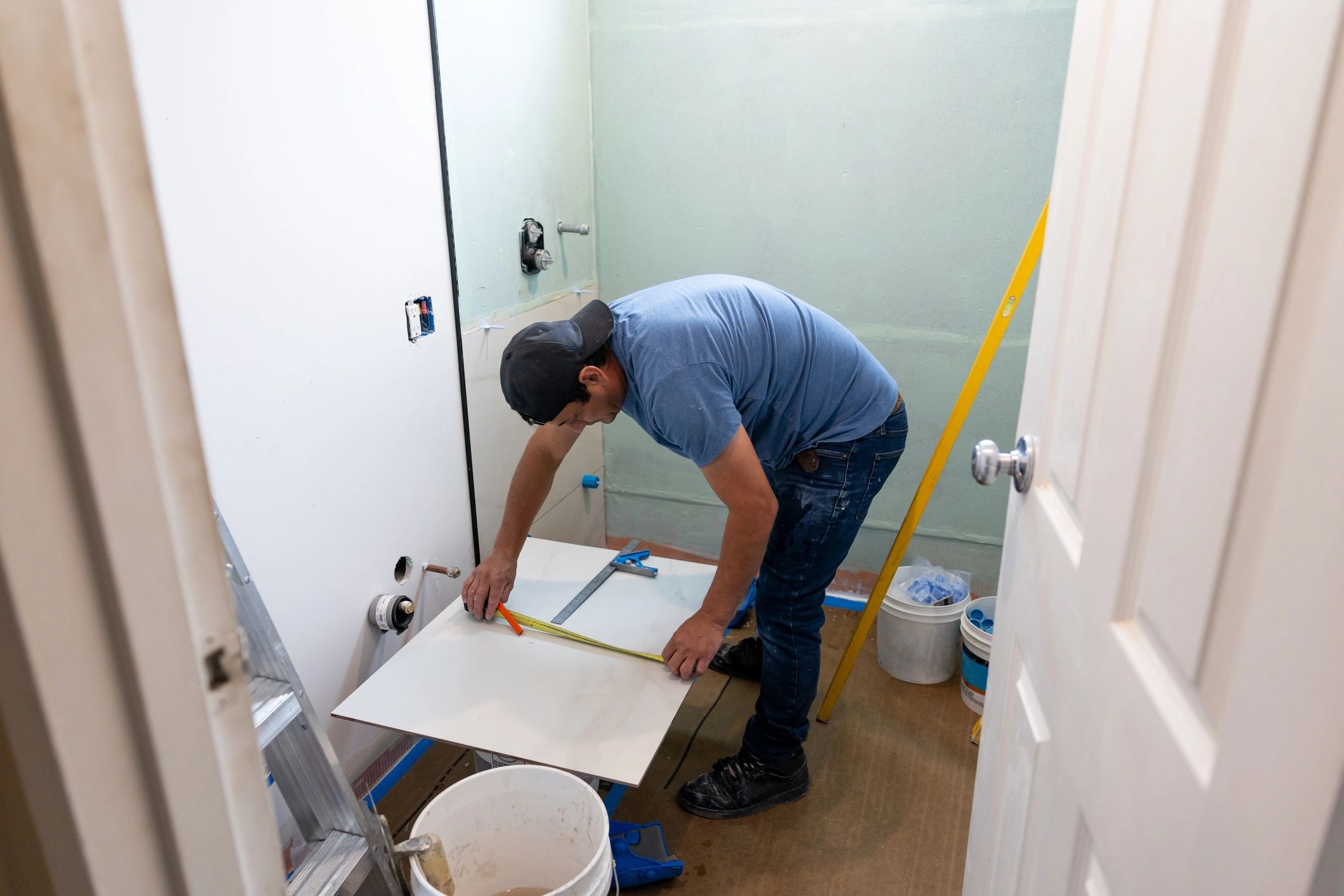
How Long Until You Can Use Your Bathroom Again?
Homeowners in Lake County and throughout Northeast Ohio often ask one question before any other when planning a renovation: “When can I use my bathroom again?” The answer varies widely—ranging from a long weekend to several months—depending on the scope, materials, and unexpected structural issues uncovered during demolition. While cosmetic updates let families maintain normal routines with minimal disruption, full gut remodels require careful planning and temporary bathroom solutions. Understanding the factors that influence project duration helps set realistic expectations and keeps renovations running smoothly.
This guide breaks down the typical timelines for different types of bathroom remodels and explains what drives delays—from material backorders to permitting in local municipalities like Painesville and Madison. You’ll learn how plumbing rerouting, waterproofing, and fixture customization impact the clock, and what steps you can take to keep your project on track. Whether you're updating a half bath or transforming a master suite, knowing what to expect at each phase ensures smarter decisions and faster results.
The 7 Key Phases of a Bathroom Remodel—And What to Expect at Each Stage
Understanding the typical flow of a bathroom renovation helps homeowners in Lake County and across Northeast Ohio plan effectively, minimize surprises, and stay on budget. While every project varies, most follow a structured sequence of phases that, when managed properly, ensure a smooth transformation from outdated space to functional, modern retreat.
- Design & Planning This foundational step sets the tone for everything that follows. Homeowners finalize layouts, select materials like tile and cabinetry, and confirm plumbing and electrical needs. Accurate measurements and permitting—often required in cities like Painesville—help avoid costly changes later.
- Pre-Reno Prep Before demolition begins, the space is cleared and protected. Flooring, furniture, and fixtures in adjacent areas are safeguarded. Contractors may reroute water or power if necessary, ensuring safety during construction.
- Demolition Phase Old tile, vanities, toilets, and fixtures are removed, often revealing hidden issues like water damage or outdated wiring. This stage is noisy and messy but crucial for assessing underlying conditions in older homes.
- Rough-In Work Plumbing pipes, electrical wiring, and HVAC vents are installed or repositioned. Inspections may be required before moving on, especially when modifying drainage lines or adding new outlets for heated floors.
- Framing & Subflooring If the layout changed, new walls or partitions are built. A sturdy, level subfloor ensures longevity, particularly in moisture-prone basement bathrooms common in the region.
- Installations Tile, drywall, vanities, showers, tubs, and fixtures are set in place. This phase includes waterproofing showers and tub surrounds—critical in Northeast Ohio’s humid climate.
- Final Touches & Cleanup Painting, caulking, hardware installation, and deep cleaning wrap up the project. A final walkthrough ensures everything meets expectations before the space is ready for daily use.
How Your Remodel Scope Shapes the Timeline
Understanding the scope of your bathroom renovation is the first step in setting realistic expectations for your project's duration. From quick cosmetic touch-ups to full-scale gut renovations, the extent of work directly influences how long your bathroom will be out of commission. Minor updates—like swapping out fixtures, regrouting tile, or painting cabinets—typically wrap up in just a few days, making them ideal for homeowners in Lake County who want a fresh look without major disruption.
On the flip side, full gut renovations require significantly more time due to structural changes, plumbing rerouting, and electrical upgrades. These comprehensive overhauls often take 3 to 6 weeks or more, especially when custom materials, permit approvals, or hidden issues like water damage or outdated wiring are uncovered mid-project. Homes in Northeast Ohio often have aging infrastructure, which can extend timelines as contractors replace galvanized pipes or upgrade knob-and-tube electrical systems to meet current codes.
The key to accurate scheduling is an honest assessment of your bathroom’s condition. If walls feel soft, drains clog frequently, or outlets spark, these red flags suggest deeper work is needed—and a longer timeline. Conversely, if your layout works and systems function well, a cosmetic refresh delivers fast, impactful results. Always plan for a buffer in your schedule to accommodate material deliveries or unexpected findings behind walls.
Hidden Delays That Could Extend Your Bathroom Remodel Timeline
Even the most carefully planned bathroom renovation in Lake County can face unexpected setbacks. While many homeowners focus on design choices and contractor availability, several behind-the-scenes factors often stretch the project beyond initial estimates. Understanding these common timeline disruptors—material availability, permitting delays, and scheduling conflicts—can help you set realistic expectations and avoid frustration.
One of the biggest culprits is material shortages. High-demand fixtures, specialty tiles, or custom cabinetry may have extended lead times, especially if they're sourced from overseas or require manufacturing. A single back-ordered item, like a vanity or faucet, can stall the entire project until it arrives. To minimize delays, order materials early and discuss alternative options with your contractor in case of supply chain interruptions.
Permitting is another factor that varies by municipality. Most cities in Northeast Ohio, including Painesville and Madison, require permits for structural, plumbing, or electrical changes. Processing times can range from a few days to several weeks depending on local code compliance reviews and inspector availability.
Finally, contractor scheduling plays a crucial role. Reputable tradespeople often book out weeks in advance, and unforeseen delays on prior jobs can push your start date back. Coordinating multiple subs—plumbers, electricians, tilers—adds complexity, especially during peak home improvement seasons.
To stay on track, plan ahead, confirm lead times early, and build buffer days into your renovation schedule.
Common Bathroom Remodel Timeline Questions Answered
How long does an average bathroom renovation take?
Most bathroom remodels in Northeast Ohio take between 3 to 6 weeks, though this varies significantly based on scope. Cosmetic updates—like repainting, replacing fixtures, and laying new flooring—can be completed in as little as 3 to 7 days. Larger full gut projects, which involve removing old plumbing, electrical, and tile, typically take 4 to 6 weeks or more, especially when custom cabinetry or structural changes are involved.
What factors affect how long a bathroom remodel takes?
Key variables include:
- Project scope: Cosmetic vs. full gut remodels differ drastically in duration
- Material lead times: Custom vanities, tile, or imported fixtures may have longer wait periods
- Permit processing: Local requirements in Lake County cities like Painesville or Madison can add time
- Unforeseen issues: Rot, mold, or outdated plumbing discovered mid-project can extend timelines
Can I use my home while the bathroom is being remodeled?
If only one bathroom is being renovated, plan for limited access. Most homeowners set up a temporary solution, such as using a neighbor’s or relative’s facilities. Projects that include shower and toilet removal usually make the space unusable for at least one to two weeks.
Should I expect delays during my renovation?
Yes—delays are common. Weather, supply chain hiccups, and contractor scheduling can all impact completion dates. Always build in a buffer of 5–7 extra days when scheduling your project, especially in the spring and fall when demand peaks in Lake County.
Is weekend work typical for bathroom remodels?
Many contractors work weekdays, but some offer weekend hours to accommodate homeowners. Confirm scheduling expectations upfront to avoid miscommunication.
Can I shower or flush during construction?
Only if the work allows. Once plumbing is disconnected, the bathroom becomes nonfunctional. Plan accordingly—especially in full gut remodels where water must be shut off for several days.
Wrapping Up: Your Bathroom Remodel Timeline Explained
Understanding how long a bathroom remodel takes comes down to knowing the scope of work, material readiness, and local permitting processes common in Northeast Ohio. A cosmetic update—swapping fixtures, re-tiling floors, or painting—typically wraps up in 3 to 7 days, making it ideal for homeowners in Lake County who want a fresh look with minimal downtime. On the other hand, a full gut remodel, which includes structural changes, plumbing reroutes, and electrical upgrades, can take 3 to 6 weeks or more, especially if custom cabinetry or moisture-proofing is involved.
Key factors that influence your timeline include:
- Permit approval times in cities like Painesville or Madison
- Material delivery schedules, particularly for specialized tile or vanities
- Unforeseen issues like rot, mold, or outdated piping discovered during demolition
- Labor availability, as skilled tradespeople often book weeks in advance
To stay on track, finalize your design and materials early, and coordinate with your contractor on permitting. If you're preparing to sell, a cosmetic refresh offers faster ROI. For long-term comfort and functionality, a full remodel is worth the investment.
Ready to transform your space? Evaluate your bathroom’s current condition, define your goals, and plan accordingly—whether you're updating one fixture or redesigning the entire layout, a well-planned remodel brings lasting value to your home.