
Grout vs. Caulk: Bathroom Applications
10/14/2025
The Unsung Heroes of Bathroom Durability: Why Grout and Caulk Can’t Be Interchanged
In any well-constructed bathroom, two materials quietly shoulder the responsibility of keeping water where it belongs—grout and caulk. While they may appear similar to the untrained eye, these substances serve distinct, non-interchangeable roles in safeguarding your space from moisture intrusion and structural compromise. In high-humidity areas like Northeast Ohio and Lake County homes, where seasonal changes and aging plumbing systems increase vulnerability, understanding their proper application is critical. Water damage remains one of the most common—and preventable—issues in residential bathrooms, often stemming from simple misuse of these essential sealants.
Grout fills the joints between tiles, providing a rigid, finished look while allowing for minimal flexibility. It’s designed to withstand foot traffic and wear but lacks the ability to expand and contract with movement. That’s where caulk comes in: a flexible sealant used in areas prone to shifting or vibration, such as where tile meets tubs, showers, or countertops. Using grout where caulk belongs leads to cracking and water penetration; using caulk across entire grout lines results in an uneven, unprofessional finish.
This guide will walk you through when and where to use each material properly, helping you avoid common DIY pitfalls and extend the life of your bathroom finishes.
Understanding Grout: Types, Uses, and Best Practices
Grout plays a critical role in tile installations, providing structural stability and a finished look between joints. Unlike caulk, grout is a rigid, cement-based or epoxy-based material designed to fill narrow gaps between tiles—typically 1/8 inch to 1/2 inch wide—making it ideal for floors, showers, and backsplashes in moisture-prone areas like bathrooms. There are two primary types: sanded and unsanded (also called non-sanded) grout, each suited to specific applications based on joint width and surface type.
Sanded grout contains fine silica sand, which helps prevent shrinkage and cracking in wider joints (over 1/8 inch). It’s commonly used on floor tiles and larger wall tiles throughout homes in Northeast Ohio and other climates where thermal expansion can stress grout lines. However, avoid using sanded grout on soft or polished surfaces like marble or glass, as it may scratch.
Unsanded grout is smooth and adhesive-rich, making it perfect for narrow joints (under 1/8 inch) and vertical surfaces like shower walls and backsplashes. Its stickier consistency ensures better adhesion where gravity might pull down a heavier product.
Grout is water-resistant but not waterproof—proper sealing is essential, especially in high-humidity zones like Lake County bathrooms. Sealing every 1–2 years helps prevent staining, mildew, and moisture penetration that could lead to subfloor damage over time. Choosing the right grout type and maintaining it properly ensures long-lasting, clean, and durable tile installations.
Understanding Caulk: Types, Uses, and Performance in Wet Areas
Caulk plays a vital role in protecting your bathroom from moisture intrusion, especially in areas where fixtures meet tile, tubs, or walls. Unlike grout, caulk is a flexible sealant designed to handle expansion and contraction, making it ideal for high-movement joints. There are two primary types used in bathroom applications: silicone and latex (acrylic)—each with distinct advantages depending on the location and exposure.
Silicone caulk is highly water-resistant, mold-resistant, and durable, making it perfect for areas constantly exposed to water, such as around shower bases, tub edges, and window perimeters. It adheres well to non-porous surfaces and maintains its elasticity over time, preventing cracks. However, it can be more difficult to paint and requires careful application.
Latex caulk is easier to work with, paintable, and ideal for low-moisture areas like baseboards or where tile meets drywall—common in older homes across Northeast Ohio. While cost-effective and user-friendly, it’s less resistant to prolonged water exposure and may degrade faster in consistently wet zones.
Always clean and dry the joint thoroughly before applying. For best results in high-humidity areas like Lake County bathrooms, use 100% silicone in wet joints and reapply every 5–7 years—or sooner if discoloration or cracking appears. Proper sealing helps prevent water damage behind walls and under flooring, extending the life of your bathroom.
Know Where to Use Grout vs. Caulk: The Right Material for Every Bathroom Seam
Choosing between grout and caulk in your bathroom isn’t just about preference—it’s about function, flexibility, and long-term performance. Both serve critical sealing roles, but they belong in different places due to how they handle movement and moisture.
Grout is a rigid cement-based or epoxy compound designed for tile-to-tile joints, especially on floors and walls. It’s strong, durable, and blends seamlessly with tile lines, making it ideal for shower surrounds, backsplashes, and flooring. However, grout lacks flexibility and can crack when subjected to movement or vibration.
Caulk, on the other hand, is a flexible sealant made from silicone, latex, or hybrid polymers, engineered for tile-to-fixture transitions. Use it where different materials meet—such as where the shower wall meets the base, around the bathtub lip, or along the edge of a vanity countertop. These areas expand and contract with temperature and water exposure, and caulk moves with them.
Here’s where to apply each:
- Use grout for:
- Wall and floor tile joints (e.g., between ceramic or porcelain tiles)
- Showers and tub surrounds (between tiles, not at the base)
- Backsplashes and shower floors (with proper slope and drainage)
- Use caulk for:
- Where tile meets tub or shower base
- Around toilets, sinks, and vanities
- Any inside corner (e.g., wall-to-wall in shower stalls) where movement occurs
Tip: In Northeast Ohio homes, where humidity and temperature shifts are common, using the right product in the right spot prevents cracking, water penetration, and costly water damage repairs down the line. Always use mildew-resistant, mold-inhibiting caulk in wet zones for lasting protection.
Mastering the Art of Grout and Caulk Application: A DIYer’s Step-by-Step Guide
Achieving a professional-looking bathroom finish starts with knowing how to properly apply grout and caulk. These materials serve distinct purposes—grout fills and stabilizes tile joints, while caulk seals gaps around fixtures to prevent water infiltration. Follow this detailed process to get lasting, clean results, especially in moisture-prone areas like Northeast Ohio where bathroom durability matters.
- Prepare the Surface Remove dust, debris, and old caulk using a utility knife and damp sponge. Ensure joints are dry and free of oils. For grout, allow freshly laid tile to cure at least 24 hours.
- Apply Grout Using a rubber grout float, press grout diagonally across tile joints at a 45-degree angle. Work in small sections, forcing material fully into gaps. Remove excess with the float’s edge before wiping with a damp sponge in circular motions.
- Let Grout Set Wait 20–30 minutes, then polish with a dry cloth to remove haze. Allow 72 hours for full cure before applying caulk.
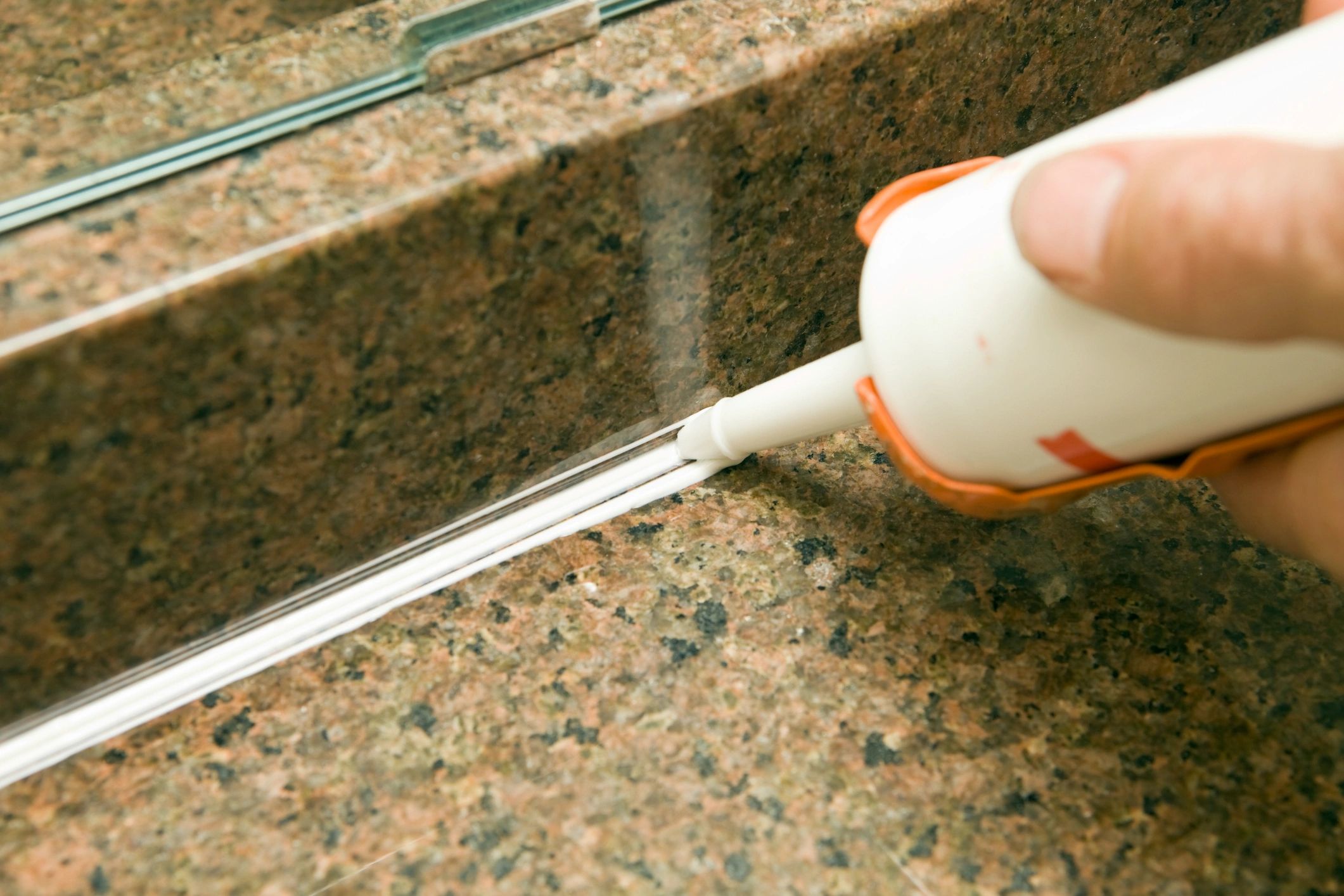
- Caulk Critical Junctions Load mildew-resistant silicone caulk into a caulk gun. Apply a smooth, continuous bead along joint between tub and tile, base of toilets, and around sinks. Smooth with a wet finger or tool for a seamless finish.
- Clean Up Immediately Wipe stray grout or caulk with a damp rag before it dries. Use a utility knife for corrections.
Tip: Always caulk over grout at stress points to maintain flexibility and waterproofing integrity.
Your Grout & Caulk Questions—Answered
How long do bathroom grout and caulk typically last before needing replacement?
Grout in bathroom tile installations generally lasts 10–15 years, but in high-moisture zones like showers, it may require sealing every 6–12 months to maintain waterproof performance. Caulk, especially silicone-based, typically lasts 5–10 years but can degrade faster in steam-heavy environments or if exposed to mold and cleaning chemicals. In older homes across Northeast Ohio and Lake County, seasonal humidity fluctuations often shorten these lifespans, making routine maintenance crucial.
What’s the best way to maintain grout and caulk in wet areas?
Reapply a high-quality grout sealer annually to prevent water penetration and staining. For caulk, clean with a mildew-resistant solution and avoid abrasive scrubbing that can compromise adhesion. Proper ventilation using exhaust fans reduces surface moisture, extending both materials’ effectiveness.
Is caulk or grout more waterproof?
Caulk—particularly silicone or polyurethane—is inherently flexible and waterproof, ideal for transition points like where walls meet tubs or shower pans. Grout, even when sealed, is porous and only water-resistant unless using epoxy or furan variants.
Can I recaulk over old caulk?
No. Old caulk must be fully removed with a scraper or tool to ensure the new layer bonds properly and prevents future leaks.
Why does grout crack, and how can it be fixed?
Cracking often results from substrate movement, improper mixing, or lack of expansion joints. Repair involves removing damaged grout, cleaning the joint, and refilling with fresh product.
How often should I inspect grout and caulk for damage?
Biannual inspections—spring and fall—are recommended, especially before seasonal humidity changes in northeastern climates. Look for discoloration, brittleness, or gaps.
Can I repair grout or caulk myself, or should I call a pro?
DIY works for small patches, but professionals ensure proper prep, material selection, and waterproof integration, particularly in complex joints or aging installations.
Making the Right Choice for a Lasting Bathroom
Understanding the difference between grout and caulk isn't just about materials—it's about protecting your bathroom from water damage and long-term deterioration. Grout provides rigid, structural support between tiles, making it ideal for stable surfaces like walls and floors. However, it lacks flexibility and can crack over time when exposed to regular movement or shifting—common in corners, around fixtures, or near bathtubs. That’s where caulk shines: its elasticity allows it to absorb motion and maintain a watertight seal in high-stress areas like shower joints, tub edges, and where tile meets the vanity.
Using the wrong material in the wrong place can lead to gaps, moisture intrusion, mold growth, and even subfloor damage—issues especially prevalent in older homes across Lake County and throughout Northeast Ohio, where seasonal humidity and aging plumbing amplify risks. The key is strategic application: use sanded or unsanded grout for large tile joints in low-movement zones, and high-quality silicone or latex-based caulk for seams and transitions that flex with daily use.
Take actionable steps today: inspect your bathroom for cracked grout lines or missing caulk, especially around the shower base, toilet, and sink. Replace failing seals with the correct material, ensure proper ventilation after use, and perform routine maintenance every six to twelve months. Your attention to detail now will ensure a healthier, safer, and more durable bathroom for years to come. When in doubt, consult a trusted local handyman to get it right the first time.