
Get Moss Off Brick Patio
2/6/2026
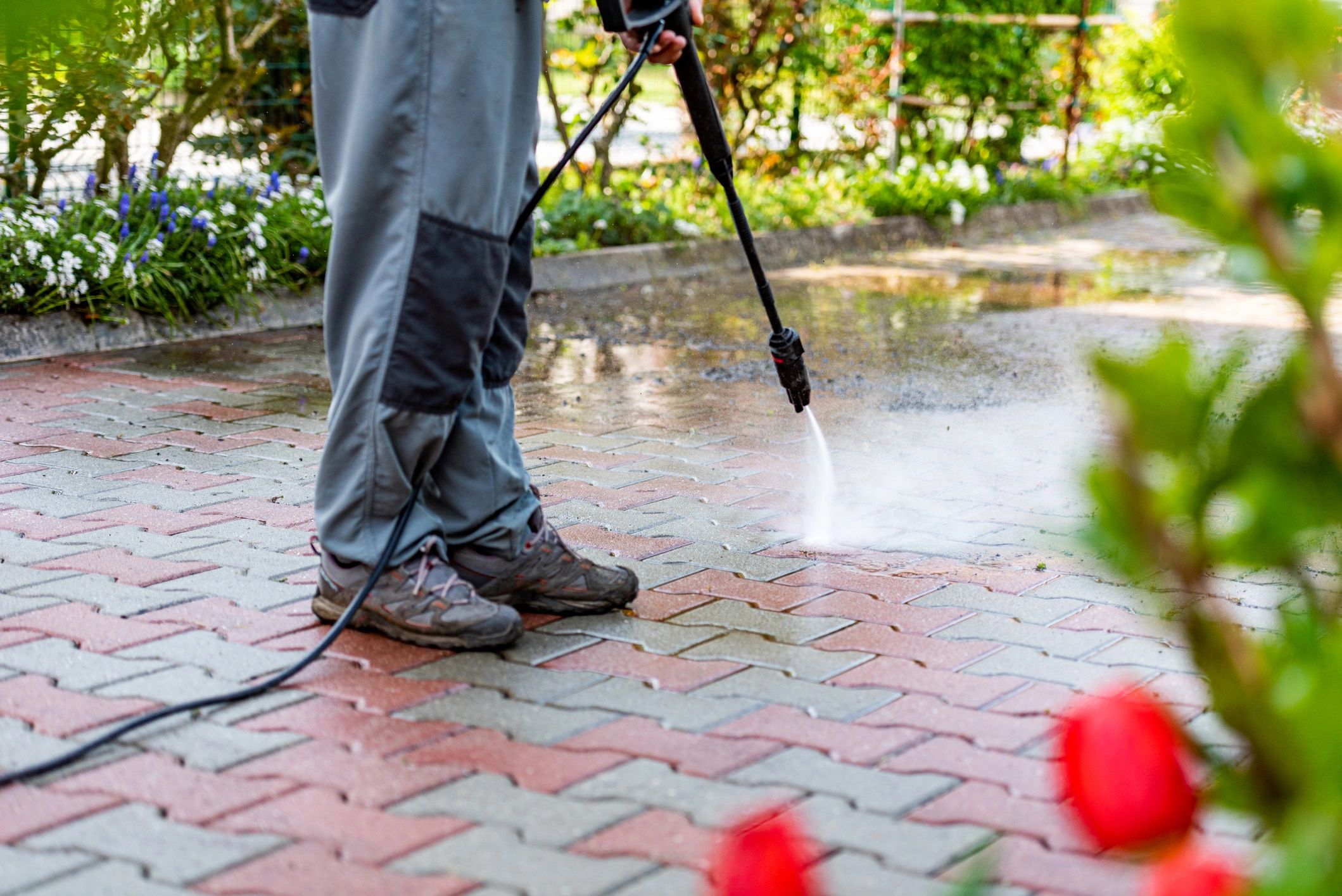
Why Moss Takes Over Your Brick Patio—And Why It Matters
Moss and algae don’t just make your brick patio look unsightly—they can lead to long-term damage if left unchecked. In regions like Lake County, Ohio, where humidity levels run high and rainfall is frequent, porous brick surfaces create the perfect damp, shaded environment for these organisms to thrive. Over time, moss retains moisture against the brick, accelerating erosion, promoting cracking during freeze-thaw cycles, and even loosening mortar between pavers.
What starts as small green patches can quickly expand into slippery, uneven growths that compromise both safety and curb appeal. Algae, often appearing as dark discoloration or slick film, poses similar risks by reducing traction and staining the surface. These issues are especially common in areas with limited sunlight, poor drainage, or overhanging vegetation.
In this guide, you’ll learn how to identify early signs of moss and algae buildup, understand the environmental factors that encourage growth, and take proactive steps to clean and protect your brick patio. You’ll also discover prevention strategies tailored to humid climates, ensuring your outdoor living space stays safe, clean, and attractive year after year.
Prepare Your Brick Patio for Cleaning: A Step-by-Step Guide
Getting moss off a brick patio starts with proper preparation—skipping these foundational steps can lead to uneven results, plant damage, or surface erosion. Whether you're maintaining a historic home in Painesville or sprucing up a suburban driveway in Mentor, this guide ensures your cleaning process is effective and safe.
- Clear the Surface Remove furniture, potted plants, and debris. Sweep the patio thoroughly with a stiff-bristle broom to eliminate leaves, dirt, and loose mortar fragments. This exposes moss-prone areas and prevents clogged cleaning solutions.
- Protect Surrounding Landscaping Moss removers and pressure washing can harm nearby grass, shrubs, and flower beds. Shield plants with plastic sheeting or cardboard barriers. Water the soil around plants lightly to reduce chemical absorption if using cleaning agents.
- Inspect and Mark Problem Areas Identify heavily moss-covered zones, especially in shaded or damp corners common in Lake County’s humid climate. Look for signs of underlying water pooling or poor drainage that may contribute to regrowth.
- Choose the Right Tools and Cleaners Opt for a flat, rotating nozzle on pressure washers to avoid eroding mortar. For chemical solutions, select oxygen-based or eco-friendly moss removers, ideal for homes near gardens or water sources. Avoid bleach-heavy products unless absolutely necessary.
- Test in a Small Area First Always trial your chosen method on a discreet spot to ensure it doesn’t discolor bricks or damage joints.
Proper prep protects your patio and surrounding landscape, setting the stage for a clean, long-lasting result.
Step-by-Step Guide to Removing Moss from Brick Pavers Safely and Effectively
Tackling moss and algae growth on brick pavers not only enhances curb appeal but also prevents long-term damage caused by moisture retention and surface erosion. Whether you're maintaining a walkway in damp Northwest Ohio or refreshing a patio in Lake County’s humid climate, follow these proven steps to eliminate organic growth safely and keep your hardscape looking its best.
- Start with a Dry, Clear Surface Wait for a dry day to begin, as wet conditions reduce scrubbing effectiveness and increase slip hazards. Remove debris like leaves and twigs with a leaf blower or stiff-bristled broom to expose the full surface.
- Apply a Natural Cleaning Solution For an eco-friendly approach, mix 1 part white vinegar with 3 parts water in a spray bottle or garden sprayer. Saturate the moss-covered areas thoroughly—this solution breaks down organic matter without harming nearby soil or vegetation.
- Let It Dwell and Soften Growth Allow the mixture to sit for 15–20 minutes. This dwell time dissolves moss at the root level, making mechanical removal easier and more effective.
- Scrub with a Stiff Bristle Brush Using a push broom or hand brush with nylon or natural bristles, scrub the surface in circular motions to lift moss and algae. For textured pavers, work in small sections to ensure complete coverage.
- Rinse Thoroughly with Low-Pressure Water Use a garden hose or pressure washer set to 1,500 PSI or less to avoid eroding mortar or damaging brick surfaces. Always spray at a downward 45-degree angle to prevent water infiltration.
- Treat Persistent Growth with Oxygenated Cleaners For stubborn patches, apply a non-chlorine oxygen-based cleaner and let it activate for 6–8 hours before rinsing.
Pro Tip: Regular maintenance every few months prevents heavy buildup and reduces the need for aggressive treatments.
Stop Moss from Coming Back: Smart Steps to Keep Your Brick Patio Clean
Once you’ve successfully removed moss and algae from your brick patio, the next challenge is keeping it from returning too quickly. In humid climates like those across Lake County and Northeast Ohio, moisture-loving growth can reappear in weeks without the right preventative measures. Follow these effective, long-term strategies to protect your clean patio and extend the life of your hard work.
- Improve Surface Drainage Ensure your patio slopes slightly away from your home to prevent water pooling. Reseal joints with permeable sand or consider installing a French drain or dry well if standing water is a recurring issue. Proper grading prevents moisture buildup—the primary contributor to moss regrowth.
- Maximize Sunlight Exposure Trim overhanging trees, bushes, or shrubs that cast constant shade. More sunlight not only dries the surface faster after rain but also creates an environment less hospitable to shade-dependent moss and algae.
- Apply a Preventative Algaecide or Moss Inhibitor After cleaning, apply a long-lasting moss inhibitor product designed for masonry surfaces. These treatments create a barrier that discourages spore attachment and slows regrowth. Reapply as directed, typically every six to twelve months.
- Switch to Crushed Limestone or Grit-Based Joint Fill Replace organic or fine sand between pavers with crushed limestone, which raises pH levels and naturally resists moss colonization while improving drainage.
- Schedule Seasonal Inspections Check your patio in early spring and fall for early signs of growth. Catching moss early means easier removal and less damage to the brick surface over time.
7 Costly Mistakes to Avoid When Removing Moss and Algae from Your Brick Patio
Removing moss and algae from your brick patio might seem straightforward, but common missteps can damage your masonry, compromise mortar integrity, and lead to recurring growth—especially in damp, shaded areas common in Lake County and surrounding Northeast Ohio regions. Avoid these frequent homeowner errors with proven, surface-safe techniques that protect your hardscaping investment.
- Using a Pressure Washer at Full Power Too much pressure can erode soft brick surfaces and blast away crucial mortar joints. Instead, start at a lower PSI (under 1,500) and increase only if necessary. Always use a wide-angle tip and hold the nozzle at least 12 inches from the surface to prevent pitting and delamination.
- Applying Undiluted Bleach or Harsh Chemicals Full-strength chlorine bleach kills moss but can discolor bricks and leach into nearby soil, harming plants and grass. Use a diluted solution (one part bleach to three parts water) or opt for oxygen-based cleaners that break down safely without harming surrounding vegetation.
- Neglecting to Test a Small Area First Brick types vary in porosity and resilience. Always test your cleaning method on an inconspicuous spot to check for discoloration or surface damage, especially on older or vintage brick patios common in historic Lake County neighborhoods.
- Scrubbing Too Aggressively with Metal Brushes Wire brushes may seem effective but can embed rust into brick pores or scratch softer masonry. Use stiff nylon or natural fiber brushes to lift moss safely without causing micro-scratches that invite future moisture retention.
- Ignoring Root Penetration in the Joints Moss often establishes deep networks in mortar lines. Simply scraping the surface leads to fast regrowth. Use a wooden or plastic scraper to gently remove rhizomes from joints, then consider repointing weakened areas to prevent water infiltration.
- Skipping pH-Neutral Rinsing After Cleaning Residual cleaning agents can continue to degrade brick over time. Always rinse treated areas thoroughly with clean, pH-neutral water to flush out leftover chemicals and prevent long-term etching or efflorescence.
- Failing to Address Drainage and Shade Issues If moss returns quickly, the problem isn’t just surface-level—it’s environmental. Trim overhanging tree branches to increase sunlight, redirect downspouts away from the patio, and ensure proper slope for drainage to discourage future growth.
By avoiding these pitfalls, you’ll preserve the integrity of your brick patio while achieving a cleaner, longer-lasting result.
FAQs: Your Top Moss & Algae Removal Questions Answered
Dealing with moss and algae on your brick patio in Lake County? You're not alone—this common issue plagues homeowners, especially in damp, shaded areas. Here are the most frequently asked questions with clear, expert-backed guidance to keep your outdoor space looking its best.
Is moss harmful to brick patios?
Yes, over time, moss can retain moisture and contribute to brick deterioration, especially during freeze-thaw cycles common in Ohio. Its root-like structures can also loosen mortar joints, leading to long-term structural issues if left unchecked.
When is the best time to remove moss?
Early spring or fall is ideal—when temperatures are mild and moisture levels are high enough to make moss easier to remove, but not so wet that safety becomes a concern. Avoid treatment during extreme heat or right before heavy rain.
Can I power wash my brick patio safely?
Yes, but with caution. Use a lower PSI (1,000–1,500) and a wide-angle nozzle to prevent surface damage. Always test on a small area first and keep the wand at least 12 inches from the surface to protect both bricks and mortar.
Are chemical cleaners safe for pets and plants?
Some off-the-shelf moss removers contain harsh ingredients. Opt for oxygen-based or mild biodegradable cleaners, and rinse surrounding vegetation thoroughly. Keep pets and children off the area until completely dry.
How often should I maintain my brick patio?
Inspect every 6–12 months. In high-shade or high-moisture areas, more frequent checks help catch moss early. Regular sweeping and ensuring proper drainage significantly reduce growth.
What can I do to prevent moss from coming back?
Improve sunlight exposure by trimming overhanging branches, ensure proper grading for water runoff, and consider sealing bricks with a breathable masonry sealer tailored for Ohio’s climate.
Keep Your Brick Patio Looking New: The Power of Prevention
Maintaining a clean, moss-free brick patio isn't just about curb appeal—it's about protecting your outdoor investment over time. Moss thrives in damp, shaded environments common in Lake County and similar climates, where frequent rainfall and humidity create the perfect breeding ground. Without consistent upkeep, moss can gradually erode mortar, loosen pavers, and make surfaces slippery and unsafe. The good news is that with the right routine, you can prevent moss from taking hold and extend the lifespan of your patio significantly.
Start by incorporating seasonal maintenance into your home care calendar. Remove debris like leaves and twigs promptly, as they trap moisture and encourage moss development. Trim overhanging branches to increase sunlight exposure and improve air circulation. When cleaning, use gentle yet effective methods—such as low-pressure washing and eco-friendly cleaning solutions—to avoid damaging the brick. Always follow proper techniques, like working in sections and allowing surfaces to dry completely, to ensure lasting results.
By staying proactive and using the correct approach, you’ll keep your patio looking its best year-round. Take action now—inspect your patio, clear clutter, and schedule a cleaning. Your future self will thank you when your outdoor space remains beautiful, safe, and moss-free for years to come.