
Fixing Water-Damaged Drywall to Prevent Mold
9/23/2026
Act Quickly on Moisture Issues
Living in Lake County, we see our fair share of moisture challenges. From heavy spring rains in Mentor to humidity coming off the lake in Eastlake, moisture can easily find its way into your home. When water compromises your drywall, you have a limited window of time to act before mold spores begin to colonize. Drywall is highly porous, and its paper backing provides the perfect organic food source for mold once it becomes damp.
Ignoring a small water stain on your ceiling or wall might seem like a minor cosmetic issue, but it often masks a deeper problem. If the drywall feels soft to the touch or appears discolored, the structural integrity is already failing. Prompt intervention is the only way to protect your home and your family's health.
Identifying the Source of the Leak
Before you start any repair, you must identify where the water is coming from. Patching a wall while a pipe is still dripping or a roof is still leaking is a wasted effort. In local homes, we often find that leaks stem from ice dams during our harsh winters, overflowing gutters in the fall, or aging plumbing fixtures in second-floor bathrooms.
Check for signs of active moisture. If the spot is damp or cold to the touch, the leak is likely ongoing. Once the source is repaired, the area must be thoroughly dried. Using high-powered fans and dehumidifiers is essential to ensure that the wall studs and insulation behind the drywall are completely moisture-free before new materials are installed.
When to Patch and When to Replace
If the damage is limited to a small, dry water ring, you might be able to get away with a simple stain-blocking primer and a coat of paint. However, if the drywall is sagging, crumbling, or showing black or green spots, it must be replaced.
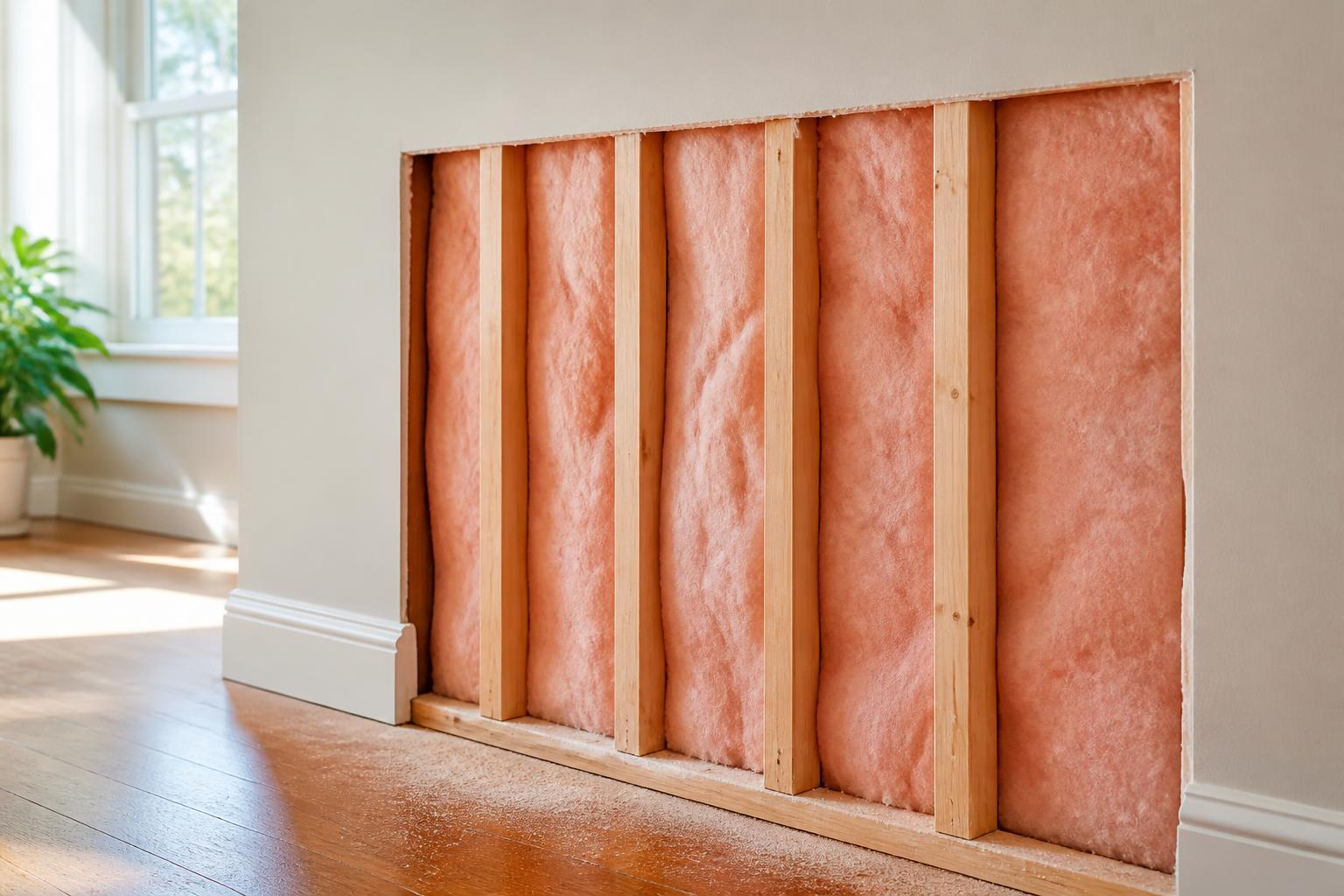
Standard procedure involves cutting out the affected section, usually extending at least 12 inches beyond the visible damage to ensure no hidden mold remains. We recommend checking the insulation as well; fiberglass insulation loses its R-value when wet and can also harbor mold. Replacing the damaged section with new moisture-resistant drywall is often the safest bet for bathrooms and basements.
Professional Finishing and Texture Matching
The most difficult part of drywall repair isn't the demolition—it's the finishing. Achieving a seamless transition between the old wall and the new patch requires multiple coats of joint compound, careful sanding, and professional-grade texture matching. In many older Lake County homes, walls have specific textures that are difficult to replicate without the right tools.
A professional repair ensures that once the paint is applied, you will never know there was a hole in the wall. This not only restores the beauty of your room but also ensures the envelope of your home is sealed against future drafts and pests.
If you have noticed water stains or soft spots on your walls or ceilings, do not wait for mold to take hold. Contact Lake County Handymen LLC today for a free estimate. We serve homeowners throughout Mentor, Painesville, Willoughby, and the surrounding areas, providing reliable solutions to keep your home safe and dry.