
Drywall vs. Plaster: What's the Difference?
8/3/2025
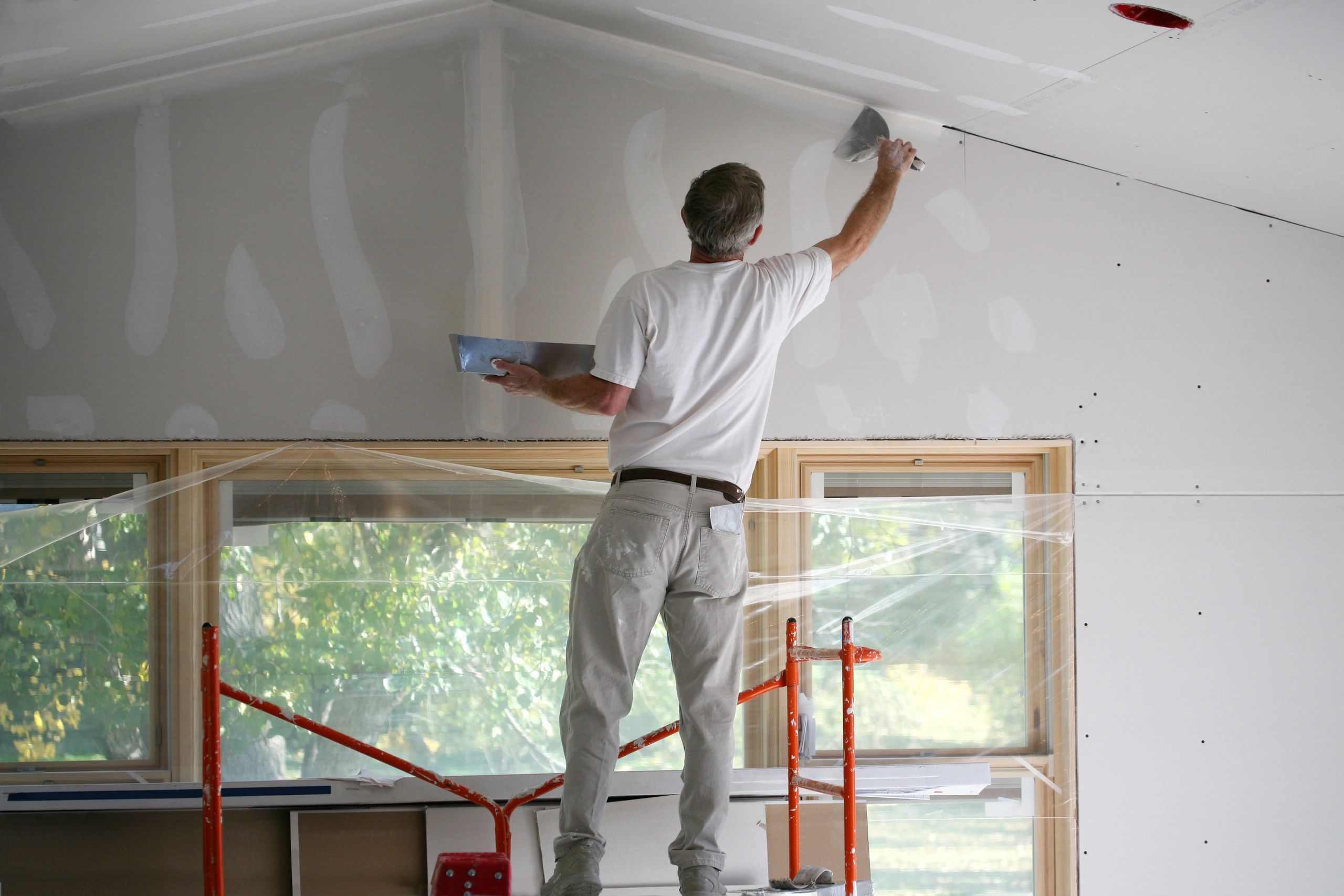
Walls That Speak: Uncovering the Stories Behind Drywall and Plaster in Lake County Homes
When walking through older homes across Lake County, Ohio, the walls often tell a story—not just of the families who lived there, but of the building practices of their time. If a wall feels solid under your hand, with a smooth, cold surface and faint ridges beneath the paint, you’re likely touching traditional plaster. On the other hand, modern renovations typically feature drywall—lighter, easier to patch, and cost-effective. Both materials have shaped home construction over the last century, each with its strengths and ideal use cases.
Plaster, once the gold standard, involves layering wet gypsum or lime-based mixtures over wooden or metal lath. Common in early-to-mid 20th century homes from Painesville to Willoughby, plaster offers excellent sound dampening and durability when maintained. But in older structures, it’s prone to cracking due to foundation shifts common in Northeast Ohio’s freeze-thaw climate. Drywall, introduced widely after WWII, revolutionized construction with faster installation and lower labor costs. Made of gypsum sandwiched between paper layers, it’s easier to modify for electrical and plumbing updates—making it ideal for home renovations today.
Understanding these materials helps homeowners identify potential repair needs, assess insulation value, and preserve historical integrity while upgrading for modern comfort.
Breaking Down the Basics: How Drywall and Plaster Stack Up
When deciding between drywall and plaster for interior walls, it’s essential to understand their fundamental differences in materials, installation, durability, and overall cost. Each system has strengths depending on your project goals, timeline, and location—especially in older homes or high-humidity areas common across Lake County and throughout Northeast Ohio.
Materials & Composition
Drywall consists of gypsum sandwiched between heavy paper sheets, available in moisture-resistant and fire-rated varieties. Plaster, on the other hand, is a cement- or lime-based material applied wet in multiple coats over wood or metal lath—or modern blueboard.
Installation Process
Drywall is faster and more DIY-friendly: panels are hung with screws, joints are taped and finished with compounds, and the process can be completed in days. Plaster requires skilled labor—each coat must cure properly, making the installation timeline longer (typically 1–2 weeks) and messier.
Durability & Performance
Plaster surpasses drywall in longevity and sound insulation. It’s more impact-resistant, less prone to dents, and acts as a natural fire barrier. However, drywall performs well in most residential settings and is easier to repair when damaged.
Cost Considerations
Drywall is generally more cost-effective both in materials and labor. Plaster’s higher price comes from skilled application and extended project time, though it adds value in heritage homes or premium renovations.
How to Tell If Your Home Has Drywall or Plaster Walls—A Step-by-Step Guide
Knowing whether your home has drywall or plaster walls is essential for planning renovations, repairs, or updates—especially in older homes common across Lake County and throughout Northeast Ohio. Use this simple, step-by-step method to identify your wall type with confidence.
- Inspect the Wall Surface Closely Look for smooth, uniform seams covered with joint tape and compound—these are telltale signs of drywall. Plaster walls, on the other hand, typically have a harder, slightly uneven surface with no visible seams, as they’re applied in thick layers over lath strips.
- Tap the Wall and Listen Firmly tap the surface with your knuckles. Drywall produces a hollow, low-pitched sound, while plaster over wood or metal lath sounds solid and dense due to its thicker, multi-layered construction.
- Check for Flexibility Gently press on the wall near outlets or seams. Drywall may flex slightly under pressure, but plaster is rigid and resists movement—attempting to bend it could cause cracking, especially in aging homes.
- Examine the Backside (If Possible) Look inside electrical boxes or unfinished areas like closets or basements. If you see thin, flat sheets with paper backing, it’s drywall. If you see narrow wood or metal strips with hardened material pushed between and behind them, it’s plaster.
- Note the Age of the Home Homes built before the 1950s almost always have plaster, while drywall became standard in renovations and new builds after the 1970s, especially in updated homes across Northeast Ohio.
Pro tip: When patching or hanging fixtures, use anchors rated for your specific wall type—plaster requires heavier-duty solutions due to its weight and brittleness.
Drywall vs. Plaster: Your Top Questions Answered
Homeowners frequently ask how to care for and maintain drywall and plaster walls—especially when considering repairs, sound control, or long-term value. Understanding the differences can help you make informed decisions, particularly in older homes across Lake County and throughout Northeast Ohio where both materials are common.
How do I repair small cracks in drywall vs. plaster?
Drywall cracks are typically fixed with joint compound and tape, while plaster cracks often require a compatible patching material like plaster of Paris or veneer patch. Older plaster walls may have lath behind them, so repairs should account for movement and moisture exposure.
Which material offers better soundproofing?
Plaster generally provides superior sound insulation due to its density and thickness—especially when applied over wood or metal lath. In multi-story homes or busy households, this added sound barrier enhances comfort and privacy.
Can I hang heavy items on drywall or plaster walls?
Yes, but anchoring methods differ. Use toggle bolts or wall anchors in drywall, and ensure proper screw depth. Plaster walls can support more weight, especially when fastened into the underlying lath or masonry.
Which holds up better in high-humidity areas like bathrooms?
Modern moisture-resistant drywall (green board) performs well in damp environments when properly sealed. Traditional plaster can also resist moisture but may crack if the substrate shifts—common in older homes.
Does replacing plaster with drywall affect home value?
Preserving original plaster in historic homes often increases value due to craftsmanship. However, replacing damaged plaster with drywall can improve energy efficiency and lower maintenance costs, appealing to modern buyers.
Making the Final Call: Which Wall Solution Fits Your Home Best?
Choosing between drywall and plaster ultimately comes down to your home’s age, your renovation goals, and your long-term maintenance expectations. Drywall offers speed, affordability, and ease of repair—ideal for modern builds or remodels in areas like Lake County where efficiency matters. It’s especially suited for renovations in garages, basements, or newly constructed additions where moisture-resistant or fire-rated boards can be easily installed. On the other hand, traditional plaster brings unmatched durability, superior soundproofing, and a seamless, high-end finish, often found in historic homes across Northeast Ohio seeking to preserve original charm.
If you’re working with an older property, plaster may already be in place, and repairing or re-skimming sections might be more authentic than a full drywall overlay. However, keep in mind that skilled plasterers are less common, and repairs can be more labor-intensive. Drywall, by contrast, allows for quicker updates and is more DIY-friendly, especially when modifying layouts or installing modern amenities.
Consider these factors when deciding:
- Budget and timeline – Drywall wins for fast, cost-effective results
- Historic integrity – Plaster preserves authentic craftsmanship
- Noise control and insulation – Plaster offers better thermal and acoustic performance
- Future maintenance – Drywall is easier to patch and repaint
Evaluate your home’s structure, your lifestyle needs, and the room’s function. When in doubt, consulting a local professional can help you weigh the long-term value of each material. Your walls aren’t just surfaces—they’re the foundation of comfort, style, and durability in your living space.