
Choose a Bathroom Vanity That Fits
7/20/2025
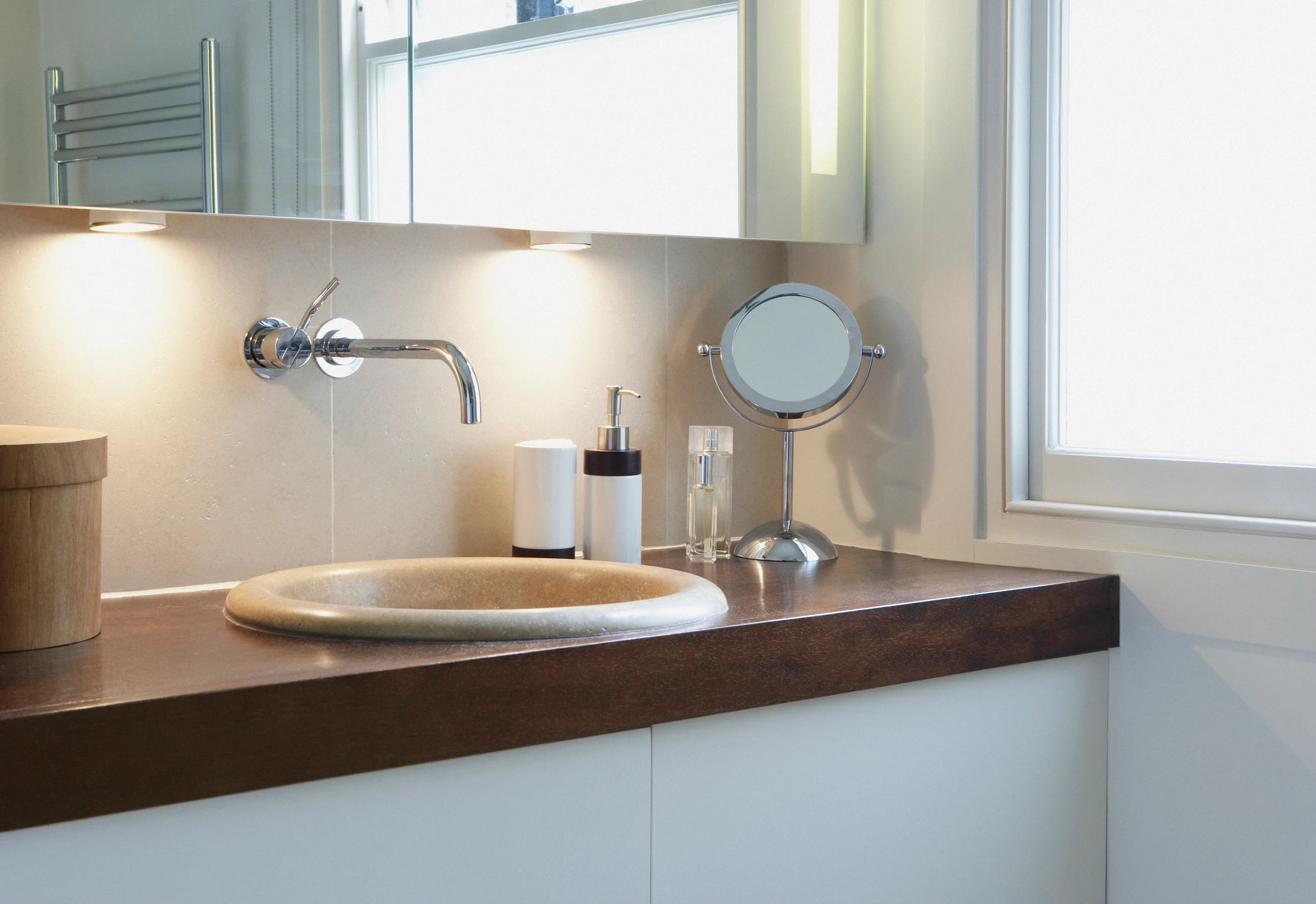
Why Your Bathroom Vanity Choice Matters More Than You Think
Selecting the right bathroom vanity isn’t just about aesthetics—it’s a critical decision that impacts daily functionality, storage efficiency, and long-term home value. In older homes across Lake County and throughout Northeast Ohio, where space constraints and outdated layouts are common, choosing a vanity that balances form and function can transform an underperforming bathroom into a practical, stylish retreat. With nearly 60% of homeowners citing storage limitations as a top bathroom pain point, the vanity—often the largest fixture in the room—plays a pivotal role in solving everyday challenges.
This guide will walk you through key considerations like尺寸 planning, material durability, sink configuration, and layout compatibility to ensure your selection aligns with both your lifestyle and the room’s architectural realities. You’ll learn how to measure clearance zones, choose moisture-resistant materials suited to high-humidity environments, and avoid common installation pitfalls that lead to costly callbacks. Whether remodeling a compact half-bath or upgrading a master ensuite, making an informed decision upfront ensures your bathroom supports your household’s needs for years to come.
Measure with Precision: Your Step-by-Step Guide to Sizing a Bathroom Vanity
Choosing the right bathroom vanity starts long before you step into a showroom—it begins with accurate measurements of your available space. Whether you're remodeling a powder room in Westlake or upgrading a master bath in Mentor, precise dimensions ensure your new vanity fits flawlessly and functions efficiently.
- Clear the Area Remove all existing fixtures, cabinets, and obstacles to expose the full footprint. This gives you unobstructed access to walls, plumbing lines, and floor contours.
- Measure Width, Depth, and Height Use a metal tape measure to record the width from wall to wall at multiple points—top, middle, and base—to account for any out-of-plumb walls. Note the narrowest measurement. For depth, measure from the wall forward to any obstructions like doors or shower curtains. Standard vanity heights range from 30" to 36", but measure from floor to countertop level if retaining plumbing.
- Account for Clearances Follow building guidelines: allow at least 30” in front of the vanity for accessibility, and 21” for forward knee space if it’s a wall-hung model. Ensure swing doors or open shelving won’t interfere with toilets or entryways.
- Check Plumbing and Electrical Mark the location of water supply lines, drain pipes, and electrical outlets. Adjust your vanity size or choose a model with offset plumbing options if necessary.
- Double-Check Before Buying Re-measure once more. A difference of even ½ inch can prevent proper installation or leave awkward gaps.
Pro tip: In older homes common across Lake County, irregular walls and shifted flooring are typical—measure multiple points and plan for minor adjustments during installation.
Find the Right Fit: 4 Types of Bathroom Vanities and Where They Work Best
Choosing the right bathroom vanity isn’t just about style—it’s about matching function, space, and daily needs. Whether you’re remodeling a master bath in a historic Lakewood home or updating a half-bath in a modern condo, understanding the differences between common vanity types can make all the difference in long-term satisfaction.
- Single Sink Vanities – Ideal for Powder Rooms and Compact Spaces Perfect for half-baths or smaller full bathrooms, single vanities offer clean functionality without overwhelming tight footprints. Typically ranging from 18” to 36” wide, they’re a smart pick for hall bathrooms or guest suites where one sink meets the need. Mounting options vary, but pairing a single floating vanity with wall-mounted fixtures frees up floor space, creating an airy feel—especially useful in Cleveland’s older homes with limited square footage.
- Double Sink Vanities – Built for Shared Morning Routines When two people share a bathroom, double vanities save time and reduce congestion. Usually 60” or wider, they provide ample counter and storage space. Ideal for master baths, these units work best in rooms with at least 7 feet of wall space to maintain comfortable elbow room. Look for staggered sink configurations or center-bridge designs to balance aesthetics and function.
- Wall-Mounted (Floating) Vanities – Modern Style with Easy Cleaning Rising in popularity for contemporary and minimalist interiors, floating vanities create visual lightness and make floor cleaning effortless. These are excellent for small or rental properties where a sleek, space-saving look is key. Just ensure wall studs are properly reinforced to support the weight, especially in older Ohio homes with plaster walls.
- Freestanding Vanities – Statement Pieces for Large Bathrooms Often crafted with ornate legs or vintage-inspired cabinets, freestanding vanities add character and function like furniture. They’re best suited to spacious primary bathrooms where style and storage are equally important. Because they sit on the floor and aren’t anchored high, they’re accessible for all ages and integrate seamlessly into traditional or farmhouse designs common across Northeast Ohio.
Match your choice to your space, lifestyle, and long-term goals for a bathroom that works as hard as you do.
Match Your Vanity to Your Bathroom’s Design Personality
Choosing a bathroom vanity isn’t just about size or storage—it’s a pivotal design decision that ties directly into your bathroom’s overall aesthetic. To create a cohesive, visually pleasing space, align your vanity style with the room’s existing design language. Start by identifying your bathroom’s design direction: is it modern minimalist, farmhouse chic, coastal cottage, or classic traditional? Each style calls for specific materials, finishes, and hardware that help unify the space.
For contemporary bathrooms, opt for vanities with clean lines, floating designs, and finishes like matte black, white quartz, or brushed nickel. These elements enhance the sleek, uncluttered vibe. In contrast, traditional or Victorian-inspired spaces benefit from carved wood cabinetry, antique brass fixtures, and warm tones like cherry or espresso. Farmhouse or rustic bathrooms often pair well with apron-front sinks, reclaimed wood vanities, and oil-rubbed bronze hardware for a cozy, timeless feel.
Don’t overlook smaller details—knot patterns in wood, drawer pull shapes, and edge profiles all contribute to the overall impression. In homes across Lake County and Northeast Ohio, where older architectural styles meet modern updates, blending these elements thoughtfully ensures a balanced, high-end look. Always consider the existing tile, lighting, and flooring to maintain harmony. A well-matched vanity doesn’t just fit the space—it elevates it.
Your Top Bathroom Vanity Questions—Answered
Choosing the right bathroom vanity involves more than style—it’s about function, fit, and long-term durability. Here are common questions homeowners ask when navigating this critical decision:
How do I know what size vanity to choose for my space?
Measure your available floor space and account for clearance around doors and fixtures. A general rule: allow at least 30 inches between the front of the vanity and opposing surfaces. For powder rooms or small bathrooms in homes across Lake County, wall-mounted or narrow-depth vanities (16–18 inches deep) maximize floor space.
What’s the difference between single and double sink vanities?
Single vanities suit powder rooms or master baths with space constraints. Double vanities, ideal for shared bathrooms, require at least 60 inches of width to ensure 30 inches of counter space per sink.
How do I ensure proper installation height?
Standard vanity height is 32–36 inches. For universal design or ease of use, 34–36 inches is preferred. Pop-up storage or recessed sinks can maintain accessibility while enhancing aesthetics.
Can I install a vanity on my own?
DIY installation is possible with plumbing and carpentry skills. However, improper sealing or misaligned piping can lead to water damage. In older Northeast Ohio homes with outdated plumbing, professional installation prevents leaks and ensures code compliance.
How do I optimize storage in a small vanity?
Look for vanities with soft-close drawers, internal organizers, and wall niches. Corner vanities or those with open shelving create visual space while offering practical storage.
What materials withstand humidity best?
Solid wood with waterproof sealant, marine-grade plywood, or molded polymer resist warping in high-moisture areas. Always seal edges and backs to prevent moisture absorption, especially in steam-heavy bathrooms.
Final Thoughts: Making the Right Vanity Choice for Function and Style
Choosing the right bathroom vanity isn’t just about aesthetics—it’s about creating a functional, durable, and efficient space that meets your daily needs. From measuring your available square footage to selecting materials that resist moisture and wear, every decision impacts long-term performance, especially in high-humidity regions like Northeast Ohio. A well-chosen vanity balances storage needs, countertop functionality, and visual harmony with the rest of your bathroom design.
Key considerations include proper sizing to avoid overcrowding, opting for water-resistant materials like solid wood with proper sealing or waterproof engineered veneers, and incorporating smart storage solutions such as soft-close drawers and integrated organizers. Lighting and sink configuration also play a major role in maximizing usability. Whether you’re remodeling a compact half-bath or upgrading a master suite in a Lake County home, attention to detail ensures lasting satisfaction.
Take action today: measure your space, assess your storage demands, and evaluate fixture placements to find a vanity that fits both physically and stylistically. If uncertainty lingers, consulting with a local home improvement expert can provide personalized guidance tailored to your layout and lifestyle. The right choice enhances comfort, boosts home value, and simplifies everyday routines—making your bathroom a true retreat.