
Build a Raised Garden Bed That Lasts
8/14/2025
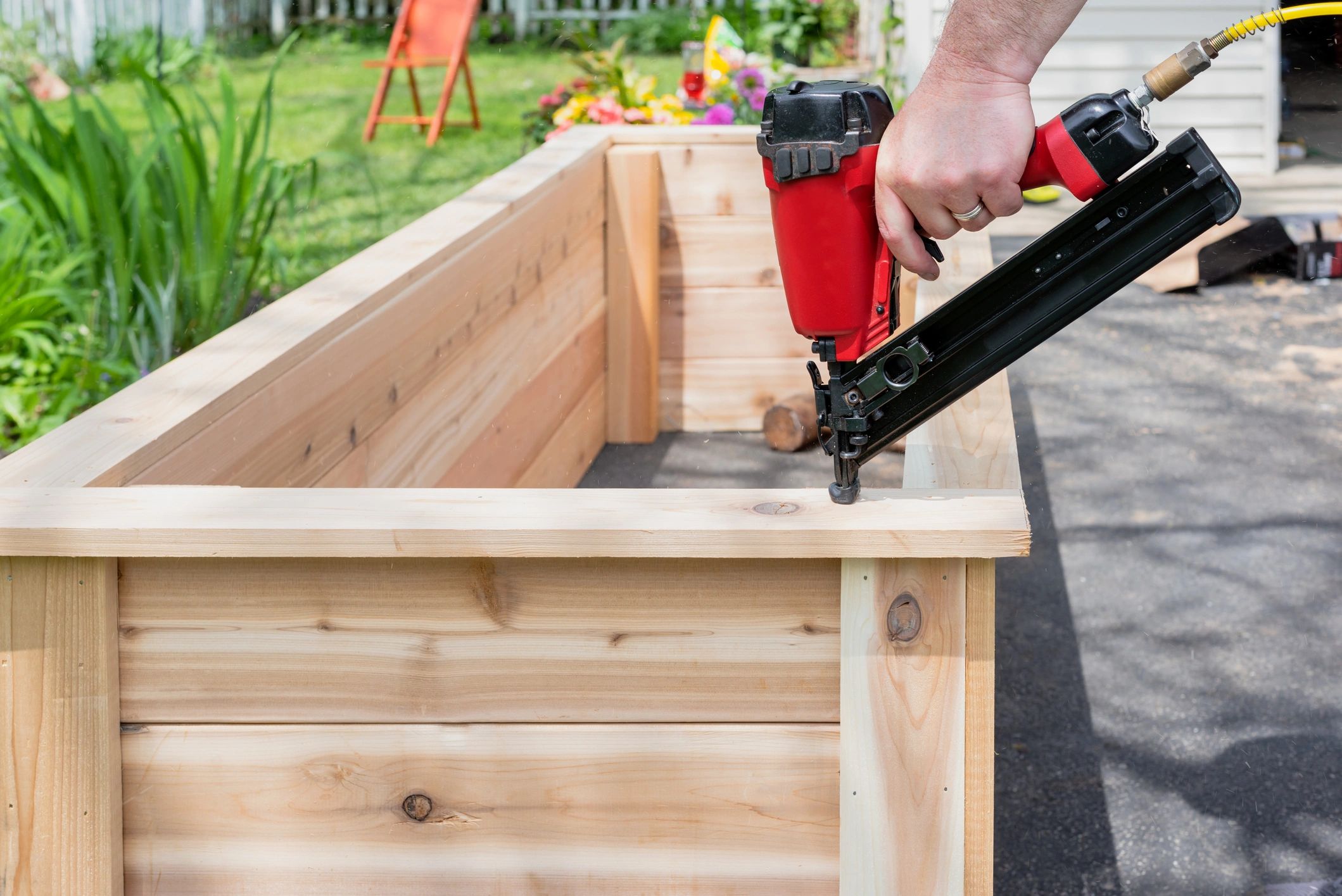
Start Strong: Why Your Garden Needs a Raised Bed Built to Last
For gardeners across Northeast Ohio, from Ashtabula to Medina, the secret to thriving plants and fewer headaches starts below ground level—literally. Raised garden beds aren’t just a passing trend; they’re a proven strategy for overcoming common regional challenges like clay-heavy soil, unpredictable spring thaws, and short growing seasons. By elevating your planting area, you gain superior control over soil quality, drainage, and temperature—critical factors that directly impact yield and plant health.
What sets a truly effective raised bed apart isn’t just its design, but its durability. A well-constructed bed using rot-resistant materials like untreated cedar or composite lumber can remain productive for over a decade, providing a stable microenvironment for vegetables, herbs, and flowers. These structures also reduce strain on your back, make pest management easier, and warm up faster in early spring—giving you a head start on the growing calendar.
In this guide, you’ll discover the key considerations for building a raised bed that stands up to Ohio’s freeze-thaw cycles, resists warping and decay, and delivers consistent results year after year. You’ll learn how to select the right materials, prep your site effectively, and integrate smart features like bottomless designs or built-in irrigation. Whether you're gardening in Rocky River, Painesville, or rural Geauga County, the principles are the same: build once, build strong, and reap the rewards season after season.
Build It Right: Your Step-by-Step Guide to a Long-Lasting Raised Garden Bed
Creating a raised garden bed that stands the test of time starts with smart planning and durable construction. Whether you're gardening in Lorain, Ashtabula, or anywhere across Northeast Ohio, these structures offer better soil control, improved drainage, and reduced strain on your back—especially crucial in regions with heavy clay soils and fluctuating seasonal conditions.
Follow these steps to build a strong, lasting raised bed:
- Choose Rot-Resistant Materials Select naturally durable wood like cedar or redwood, or opt for composite lumber designed for landscaping. Avoid pressure-treated wood if growing edibles unless it's labeled safe for gardens. For longevity, ensure all materials are rated for ground contact.
- Prepare the Site Properly Pick a level, sun-drenched spot with good airflow. Remove grass and weeds, then lay a thin layer of cardboard or landscape fabric to suppress regrowth. This creates a clean, stable base and prevents soil contamination from underlying turf.
- Assemble the Frame Securely Cut boards to size and assemble corners with galvanized screws and corner brackets. Reinforce longer beds (over 4 ft) with interior braces or T-posts to prevent bowing. Keep frames level using a spirit level as you build.
- Anchor and Stabilize Secure the structure into the ground with rebar stakes or metal brackets driven through the sides into the soil. This prevents shifting during freeze-thaw cycles common in Lake County winters.
- Fill with Quality Soil Mix Use a blend of topsoil, compost, and perlite or coarse sand for optimal drainage. Avoid garden soil alone—it compacts too easily.
Pro Tip: Line the inside of wooden beds with landscape fabric to slow soil moisture loss and protect wood from rapid decay, without sacrificing breathability.
Maximize Your Harvest: Smart Soil, Drainage, and Planting Strategies for Raised Beds
A well-constructed raised garden bed only reaches its full potential with smart soil preparation, proper drainage, and thoughtful planting techniques. In Northeast Ohio’s variable climate—where heavy spring rains and summer dry spells alternate—optimizing these elements ensures healthier plants and higher yields.
Begin by filling your bed with a balanced mix of topsoil, compost, and organic matter like aged manure or leaf mold. Avoid using garden soil alone, which can compact and hinder root development. Aim for a loamy texture that holds moisture yet drains freely. Incorporating perlite or coarse sand improves aeration, especially important for root crops like carrots and potatoes.
Drainage is critical. While raised beds naturally shed water better than in-ground gardens, ensure the base isn’t blocked. Avoid placing beds directly on solid concrete; use gravel, pavers, or permeable landscape fabric beneath to allow excess water to escape, preventing root rot and nutrient leaching.
When planting, follow these best practices:
- Use the square-foot gardening method to maximize space and minimize foot traffic on soil
- Plant taller crops like tomatoes or corn on the north side to prevent shading smaller plants
- Rotate crop families annually to reduce disease buildup and nutrient depletion
- Apply mulch lightly around plants to conserve moisture and suppress weeds without smothering stems
By focusing on soil health and strategic layout, gardeners across Lake County and surrounding areas can enjoy more resilient, productive gardens season after season.
7 Costly Mistakes to Avoid When Building and Maintaining Raised Garden Beds
Building a durable, productive raised garden bed is more than just stacking lumber and filling it with soil—common oversights can shorten its lifespan and reduce plant health. Avoid these seven pitfalls to ensure your garden thrives season after season.
1. Using Non-Weather-Resistant Wood
Treated pine or cedar is ideal for raised beds because it resists rot and insect damage. Avoid untreated softwoods like spruce or fir, which decay quickly when in contact with moist soil, especially in humid climates like Northeast Ohio where freeze-thaw cycles accelerate wear.
2. Skipping Proper Ground Preparation
Placing a bed directly on grass or compacted soil hinders root growth and drainage. Remove turf and lightly loosen the soil beneath to encourage deeper root penetration and prevent water pooling—a crucial step for vegetable beds in areas prone to heavy spring rains.
3. Overlooking Drainage Design
Without adequate drainage, roots suffocate. Drill holes near the bottom of wooden frames or leave small gaps between boards to allow excess water to escape, particularly important in clay-heavy soils common across Lake County.
4. Using Poor-Quality or Compacted Soil
Gardeners often fill beds with cheap topsoil or dense compost blends that settle and compact over time. Use a balanced mix of topsoil, compost, and coarse perlite or vermiculite to maintain aeration and nutrient availability.
5. Neglecting Landscape Fabric Underneath
While not always used, permeable landscape fabric acts as a weed barrier while allowing water to filter through. Without it, aggressive weeds like crabgrass can infiltrate from below, increasing maintenance in both ornamental and vegetable beds.
6. Placing Beds in Low-Lying or Shady Spots
Choose a location with at least 6–8 hours of sunlight and elevated ground to prevent waterlogging during storms. Avoid positioning beds directly under trees or eaves where root competition and debris buildup create challenges.
7. Failing to Secure Frames Against Shifting
Over time, wooden corners can loosen or shift due to soil pressure and weather. Reinforce joints with galvanized corner brackets and anchor longer beds to stakes driven into the ground for lasting stability.
Your Raised Garden Bed Questions, Answered: Longevity, Materials & Care
How long do raised garden beds typically last?
With proper materials and maintenance, a well-built raised garden bed can last 10–15 years or more. Cedar and redwood naturally resist rot and perform exceptionally well in Northeast Ohio’s humid climate and freeze-thaw cycles. Composite or recycled plastic lumber may last even longer, while untreated pine may degrade within 3–5 years. Lifespan heavily depends on ground contact, drainage, and sun exposure.
What’s the best material for a long-lasting raised bed?
Cedar is a top choice for its natural resistance to decay and insects. Unlike pressure-treated lumber—once treated with harmful chemicals—modern ACQ lumber is safer but still breaks down faster than cedar. For eco-conscious gardeners, galvanized steel beds offer durability and modern aesthetics, especially when lined to prevent overheating in direct sun. Avoid railroad ties or old composite materials that may leach toxins.
Do I need to line my raised bed?
Lining isn’t always necessary, but a breathable landscape fabric barrier can prevent soil loss and deter burrowing pests. In metal beds, a geotextile liner helps moderate soil temperature and extends bed life. Never use impermeable plastic—it restricts drainage and harms root health. For wooden beds in high-moisture areas like Ashtabula or Lorain, a fabric liner adds an extra layer of protection against premature rot.
How do I prevent my raised bed from warping or collapsing?
Reinforce corners with steel brackets or stakes driven into the ground. For beds over 12 inches high, add center supports or cross-bracing. Ensure level installation on stable ground—sloped or uneven terrain increases pressure on one side. In snowy regions, remove excess winter mulch to prevent moisture buildup against wood.
What maintenance does a raised bed require?
Inspect annually for loose boards, rust (on metal beds), or insect damage. Replenish mulch to protect wood from UV exposure and splintering. Rotate crops to maintain soil health and avoid compaction. Refresh landscape fabric every 5–7 years if used beneath beds. Proper drainage holes should stay unblocked to prevent waterlogging.
Your Reward-Winning Garden Awaits—Start Building Today
You've learned the essentials: how treated lumber or cedar resists rot, why proper drainage prevents waterlogging, and how lining the bed protects soil structure. Now it’s time to take that first step—measuring your space, gathering materials, and transforming your backyard vision into reality. Raised garden beds aren’t just functional; they’re an investment in healthier soil, higher yields, and a more enjoyable gardening experience, especially in regions like Lake County where seasonal shifts impact growing conditions.
To ensure long-term success, follow these next steps:
- Choose a sunny, level spot with at least 6–8 hours of daily sunlight
- Use a mix of topsoil, compost, and organic matter to fill your bed for optimal plant growth
- Install landscape fabric beneath the bed if placing over grass or weed-prone soil to prevent infiltration
- Anchor corners securely with galvanized screws or metal brackets to withstand Ohio’s freeze-thaw cycles
Maintain your bed by checking for loose boards each spring, refreshing mulch along the edges, and rotating crops to preserve nutrient balance. Over time, your efforts will compound—healthier plants, fewer pests, and deeper satisfaction with every harvest.
You don’t need professional skills to build something that lasts—you just need the right guidance and the motivation to begin. So grab your tools, involve the family, and create a garden space that serves your home for years. The soil is waiting, and your most productive season starts now.