
Accent Walls: When They Work and When They Don't
8/14/2025
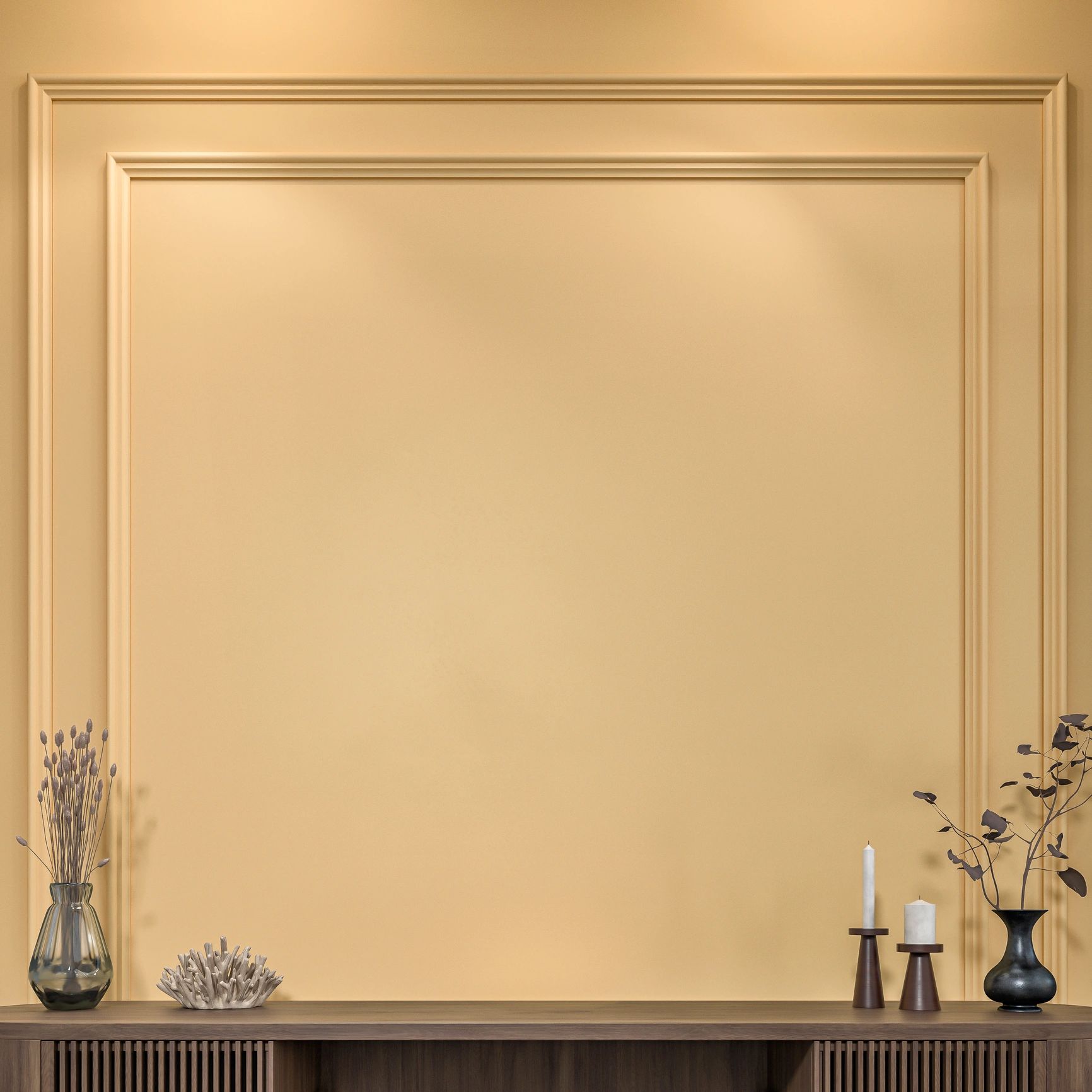
The Power of One Wall: How Accent Walls Transform Interior Design
Accent walls have become a go-to strategy in modern interior design, offering a bold yet controlled way to elevate a room's aesthetic without overwhelming it. By designating a single wall—often behind a bed, sofa, or dining table—for special treatment, homeowners and designers create instant focal points that add depth, contrast, and personality. Whether through rich paint colors, textured finishes, reclaimed wood, or bold wallpaper, the accent wall serves as a visual anchor that draws the eye and defines the space.
What makes this technique so effective? It's rooted in design psychology: the human eye naturally seeks patterns and deviations. An accent wall breaks uniformity in a pleasing way, adding drama or warmth depending on the material and hue chosen. In open-concept homes common in Northeast Ohio, accent walls help zone large areas—separating living from dining spaces without erecting physical barriers.
You'll learn how to select the right wall based on lighting, architectural features, and furniture layout. We'll cover when accent walls enhance a room's character—and when they backfire due to poor placement, clashing colors, or overdesign. From Painesville bungalows to Lake County modern builds, this guide delivers actionable insights for achieving balanced, intentional interiors that reflect your style with confidence.
Where Accent Walls Shine: Ideal Rooms and Layouts for Maximum Impact
Accent walls deliver the most dramatic results when used strategically in spaces where design, function, and architecture align. Understanding where they work best helps homeowners enhance their interiors without overwhelming the senses.
Bedrooms top the list—especially master suites in Northeast Ohio homes—where a boldly painted or textured wall behind the bed creates a cozy, hotel-like ambiance. This focal point draws the eye and anchors the space, making the room feel more intentional and layered. Living rooms with fireplaces or built-in shelving also benefit, as the accent wall can emphasize these architectural features rather than compete with them.
In dining rooms, deep hues or wallpapered walls add warmth and sophistication, ideal for homes in Lake County seeking a polished aesthetic. Narrow hallways or entryways gain dimension with a single vibrant wall, tricking the eye into perceiving more space.
Basements and home offices—often underutilized areas—come alive with accent walls that break up large drywall expanses. For open-concept layouts, use the accent to subtly zone areas without structural changes.
Avoid using accent walls in small, cluttered rooms or spaces with conflicting focal points. The goal is enhancement, not distraction—and the right placement makes all the difference.
When Accent Walls Do More Harm Than Good
Accent walls can elevate a space—but they aren't a one-size-fits-all solution. In certain scenarios, an accent wall can disrupt visual harmony, make rooms feel disjointed, or even shorten perceived space. Understanding when not to use an accent wall is just as important as knowing when to apply one.
One common misstep is applying a bold hue in small or tightly proportioned rooms, especially in homes across Northeast Ohio where older floor plans may already feel confined. Dark or highly saturated colors on one wall can create a "tunnel effect," making the space appear narrower. Likewise, in open-concept layouts, an isolated accent wall can break flow and distract from cohesive design storytelling.
Avoid accent walls in rooms with architectural distractions—think ornate crown molding, exposed beams, or multiple built-ins. Adding a painted focal point on top of these elements risks visual clutter. Similarly, in spaces with large, uninterrupted windows or scenic views, a bold wall competes with natural beauty instead of complementing it.
Another pitfall? Inconsistent paint quality or poor application. A mismatched sheen or uneven coverage draws unwanted attention, especially under the changing natural light common in Lake County homes.
Instead, consider alternatives like textured finishes, wallpaper in secondary areas, or furniture-based focal points to add interest without overwhelming the space. Always test paint samples at different times of day and in varied lighting conditions before committing.
5 Costly Accent Wall Mistakes (And How to Avoid Them)
Accent walls can elevate a room's design—when done right. Too often, homeowners make avoidable errors that turn a bold design choice into a renovation regret. Here are five common pitfalls and how to sidestep them for professional-looking results.
- Overpowering the Room with the Wrong Color. Choosing a shade too dark or intense can make a space feel smaller or unbalanced. Always consider natural light and adjacent rooms. In homes across Lake County, where many interiors have neutral palettes, opt for rich but balanced hues like deep navy, warm terracotta, or forest green—colors that add depth without overwhelming.
- Using Low-Quality Paint or Materials. A poorly applied finish draws attention to flaws. Invest in high-hiding, washable paint—especially for walls near kitchens or hallways. A premium product ensures even coverage and durability, preventing premature touch-ups.
- Ignoring the Architecture. Not every wall deserves to be an accent. Avoid placing the focal wall behind doors or furniture. Instead, highlight architectural strengths like fireplaces, built-ins, or entryways to create intentional visual flow.
- Skipping Proper Prep Work. Paint won't hide cracks or uneven textures. Sand, patch, and prime the surface first. In older homes in Northeast Ohio, where drywall repairs are common, proper prep prevents the accent wall from spotlighting imperfections.
- Mismatching the Room's Purpose. A bold black wall may suit a modern study but feel jarring in a child's bedroom. Align the accent wall with the room's function—calming tones for rest spaces, energetic shades for social areas.
Accent Wall FAQ: Your Planning, Design & Execution Questions Answered
What rooms work best for accent walls? Living rooms, bedrooms, and dining areas are ideal thanks to their natural focal points—like fireplaces, bed frames, or built-ins. Bathrooms and hallways can also benefit, but consider moisture-resistant finishes in humid spaces common across Lake County.
How do I choose the right wall to accent? Pick a wall that draws the eye when entering the room—behind a bed, along a long corridor, or where lighting highlights architectural details. Avoid overly busy walls with multiple windows or doors, which can dilute the impact.
Should I use paint, wallpaper, or paneling? It depends on texture and durability needs. Paint is cost-effective and easy to update. Removable wallpaper offers bold patterns without long-term commitment. Wood or MDF paneling adds depth and is growing in popularity for modern farmhouse styles in Northeast Ohio homes.
What prep work is essential before starting? Clean the surface thoroughly, repair cracks or dents, and sand glossy areas for better adhesion. Priming ensures truer color—especially important when applying dark or bold tones over light paint.
How can I avoid a dated look? Steer clear of overly trendy colors or mismatched styles. Instead, align your accent wall with the room's overall design. A navy blue wall pairs well with brass fixtures and neutral textiles, creating timeless contrast.
Do accent walls work in small spaces? Yes—if done strategically. Use bold hues on the farthest wall to create depth, or install vertical shiplap to raise perceived ceiling height. Just ensure the rest of the room stays light and cohesive.
Getting It Right: Key Takeaways for Stunning Accent Walls
Accent walls can elevate a room's design when approached with intention and strategy. The success lies not in simply painting one wall a different color, but in thoughtful execution that aligns with the room's function, lighting, and overall aesthetic. As we've explored, the most effective accent walls enhance architectural features, create depth in small spaces, or highlight focal points like fireplaces and built-ins—especially in homes across Lake County where layout and natural light vary widely.
To ensure your accent wall succeeds:
- Choose the right wall—focal walls work best in living rooms, dining areas, or bedrooms with clear visual anchors.
- Mind the material and texture—wood paneling, stone, or shiplap add dimension that paint alone can't achieve.
- Balance bold choices with restraint—an overly busy pattern or bright hue in a cramped space can overwhelm rather than enhance.
- Prepare the surface properly—smooth, clean walls ensure crisp lines and professional results, a must for high-visibility areas.
Avoiding pitfalls means understanding your space's limitations. Poorly lit rooms may not support dark tones, and open-concept layouts require coordination with adjacent finishes. When done right, an accent wall isn't just decorative—it's a deliberate design decision that adds character and cohesion.
Ready to transform your space? Start with a clear vision, test your materials in real lighting, and consider consulting a local expert for precision in execution.