10 Honey-Do List Items to Stop Delaying
7/14/2025
Why Putting Off Home Repairs Costs More Than You Think
Every homeowner has seen it—the dripping faucet ignored for months, the warped deck board brushed aside until spring, or the clogged gutter left unattended after fall’s last leaf drops. These small oversights are more common than you might think, especially across seasonal regions like Northeast Ohio, where fluctuating weather amplifies wear on homes. Delaying basic maintenance may feel like a time-saver today, but it often leads to bigger, costlier problems down the line. From foundation cracks worsened by freeze-thaw cycles to HVAC systems failing under winter strain, procrastination turns manageable fixes into emergency repairs.
This list isn’t just about checking boxes—it’s about staying ahead of the inevitable. Tackling common household issues promptly prevents energy waste, structural damage, and safety hazards. You’ll learn how simple actions like sealing air gaps, inspecting roofing, and winterizing plumbing protect your home’s value and comfort year-round. Whether you live in Painesville, Eastlake, or another part of Lake County, these 10 essential tasks are designed to fit into your routine—no major overhaul required. By the end, you'll have a clear roadmap to a more resilient, efficient home and the peace of mind that comes with knowing you’re not putting off what matters most.
10 Essential Home Maintenance Tasks You Keep Putting Off—But Shouldn’t
Stay ahead of costly repairs and safety hazards with these 10 critical home maintenance tasks homeowners often delay—each explained with why it matters and what happens if ignored.
- Clean Gutters Twice a Year Clogged gutters trap water, leading to roof leaks, foundation damage, and ice dams in winter. In regions like Northeast Ohio, where freeze-thaw cycles are common, standing water can refreeze and cause fascia damage. Clean gutters in fall after leaf drop and again in spring to maintain proper drainage.
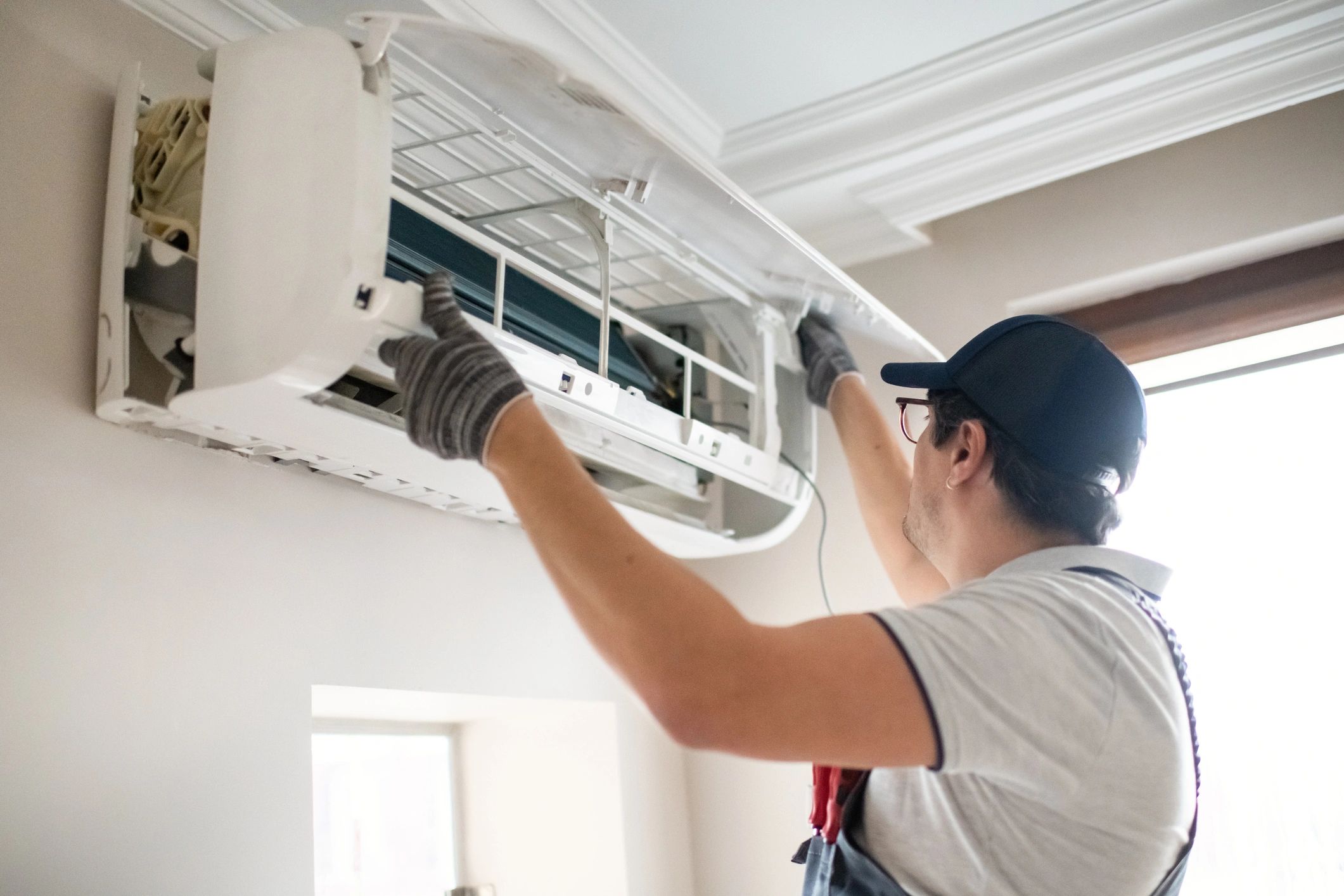
- Inspect HVAC Systems Annually A neglected furnace or air conditioner runs inefficiently, hikes energy bills, and risks carbon monoxide leaks. Annual tune-ups catch worn parts before failure, ensure safe combustion, and extend system life—especially crucial before long winters in Lake County.
- Check and Seal Window/Door Gaps Drafts around windows and doors let in cold air, drive up heating costs, and invite pests. Use caulk for static gaps and weatherstripping for moving components. A simple incense test can reveal hidden air leaks.
- Test Smoke and Carbon Monoxide Detectors Failing detectors put lives at risk. Test monthly, replace batteries yearly, and swap out units every 10 years. In older homes, ensure coverage on every level and near sleeping areas.
- Flush Water Heaters Annually Sediment buildup reduces efficiency and can lead to tank failure. Draining a few gallons yearly removes grit and prolongs the unit’s life—especially important for homes with hard water common in Painesville and surrounding areas.
- Inspect Roof Flashing and Shingles Damaged flashing or missing shingles allow water intrusion, leading to mold, rot, and insulation damage. Use binoculars for ground-level checks and address issues before snow season.
- Seal Foundation Cracks Even hairline cracks let in water and pests. In colder climates, water freezing in cracks expands, worsening the damage over time. Use hydraulic cement for active leaks and epoxy for structural repairs.
- Service the Sump Pump Yearly A failed sump pump during a spring thaw or heavy storm can lead to basement flooding. Test by pouring water into the pit, clean the intake screen, and ensure the discharge line slopes away from the foundation.
- Trim Overhanging Tree Branches Branches brushing the roof wear down shingles and invite pests. Trim limbs within 6–10 feet of the house to prevent storm damage and keep squirrels and raccoons from accessing your attic.
- Check Attic Insulation and Ventilation Inadequate insulation increases energy costs; poor ventilation traps moisture, leading to mold and roof rot. Ensure at least R-38 insulation (12–14 inches) and that soffit vents aren’t blocked by insulation.
Why We Keep Putting Off Home Repairs—And How to Finally Take Action
It’s easy to push off home maintenance when life gets busy, but delaying small fixes can lead to big problems—especially in regions like Northeast Ohio, where harsh winters and shifting seasons strain homes year after year. Understanding the why behind procrastination is the first step toward building a proactive mindset. Common culprits include feeling overwhelmed by the task list, underestimating the urgency, or assuming a problem will resolve itself. Unfortunately, drafty windows, slow-draining gutters, or flickering lights rarely fix on their own.
To regain control, break big projects into manageable actions. Start with a seasonal home scan—walk around your property and note visible issues, then prioritize based on safety, efficiency, and cost of inaction. Use a simple home maintenance tracker to schedule tasks monthly or quarterly. Set calendar reminders for key seasonal benchmarks, like servicing your furnace by early fall or cleaning gutters before winter snow.
Proactive care isn’t about perfection—it’s about consistency. Small efforts, like sealing gaps or testing smoke detectors, prevent emergency repairs down the road. For homeowners in Lake County and surrounding areas, staying ahead means protecting not just your property’s value, but your comfort and safety through every season.
Why Staying on Top of Repairs Pays Off—Big Time
Homeownership in Lake County and throughout Northeast Ohio comes with unique challenges—freezing winters, shifting soil, and relentless humidity can all take a toll. That’s why staying ahead of repairs isn’t just about fixing what’s broken; it’s a smart financial strategy. Routine maintenance prevents minor issues from snowballing into expensive emergencies, especially during seasonal transitions. A small crack in siding might seem harmless, but left untreated, it allows moisture to seep in, leading to rot, mold, and compromised insulation—three issues common in older homes across Painesville, Mentor, and surrounding areas.
Beyond avoiding costly damage, timely repairs boost your home’s long-term value. Buyers pay closer attention to homes with consistent upkeep, especially when it comes to structural integrity, roof condition, and HVAC performance. Even simple fixes, like re-caulking windows or cleaning gutters, signal diligence and care. These details matter when appraising or preparing to sell.
Proactive upkeep also improves energy efficiency. Sealing air leaks, servicing furnaces, and maintaining proper attic ventilation reduce strain on heating systems during winter months, directly impacting utility bills. In a region where winters are long and unpredictable, a well-maintained home is more comfortable, safer, and far more efficient.
Make a habit of seasonal checkups—set reminders, keep a log, and prioritize tasks before snow hits. Preventive care today means fewer repairs tomorrow.
How to Prioritize Your Honey-Do List: Smart Strategies for Homeowners
How do I know which home maintenance tasks should come first?
Start by evaluating urgency and potential impact. Tasks that prevent water intrusion, structural damage, or safety hazards—like fixing leaky roofs, sealing foundation cracks, or servicing your furnace—should top your list. Seasonal timing matters too: gutter cleaning and HVAC checks are best done in fall, while deck sealing and exterior painting thrive in mild spring weather.
What’s the best way to create a realistic honey-do list?
Break projects into categories: urgent repairs, seasonal maintenance, and long-term upgrades. Assign timeframes—weekly, monthly, seasonal, or annual—and schedule them on a calendar. Be honest about your DIY skill level and time availability to avoid burnout.
How can I avoid constantly pushing tasks to next week?
Set specific, actionable goals instead of vague intentions. Instead of “fix bathroom,” write “replace showerhead and re-caulk tub.” Schedule short, focused blocks (e.g., 30–60 minutes) weekly to tackle one item. Small, consistent progress beats occasional marathons.
Should I hire a pro or DIY certain tasks?
Simple fixes like air filter changes or weatherstripping doors are great DIY projects. But for electrical work, plumbing modifications, or foundation issues, licensed professionals ensure safety and code compliance—especially important in older homes across Northeast Ohio.
How often should I review my honey-do list?
Reassess every season. Use fall to prepare for winter, spring to address weather damage, and summer for exterior projects. Regular check-ins keep your list relevant and manageable.
Don’t Wait Until Winter: The True Value of Staying on Top of Home Maintenance
Procrastinating on routine home upkeep might seem harmless now, but in Northeast Ohio, where freeze-thaw cycles, heavy snow, and high humidity are the norm, delays can lead to expensive, disruptive repairs down the line. Small issues like a cracked seal around a window, a clogged downspout, or an unsealed gap in the foundation may not cause immediate trouble—but when left unchecked, they create pathways for water intrusion, pest infestations, and energy loss. Over time, these seemingly minor flaws compromise your home’s structural integrity, reduce efficiency, and drive up utility bills.
Addressing maintenance tasks promptly—like sealing joints, cleaning gutters, testing HVAC systems, and inspecting roofing—extends the lifespan of critical components and prevents avoidable emergencies. In Lake County and surrounding areas, seasonal shifts happen fast; being proactive means your home can withstand winter’s harshest tests without sustaining preventable damage.
Start by creating an annual home maintenance checklist tailored to your property’s age, layout, and location. Prioritize tasks that protect against moisture, drafts, and mechanical wear. For complex evaluations—especially those involving electrical systems, chimneys, or structural concerns—consulting a qualified professional ensures safety and long-term reliability.
Stay ahead of the curve: tackle those honey-do list items now, not later. Your future self will thank you when winter hits and your home stands strong, efficient, and leak-free.