
When to DIY and When to Call a Handyman
11/12/2025
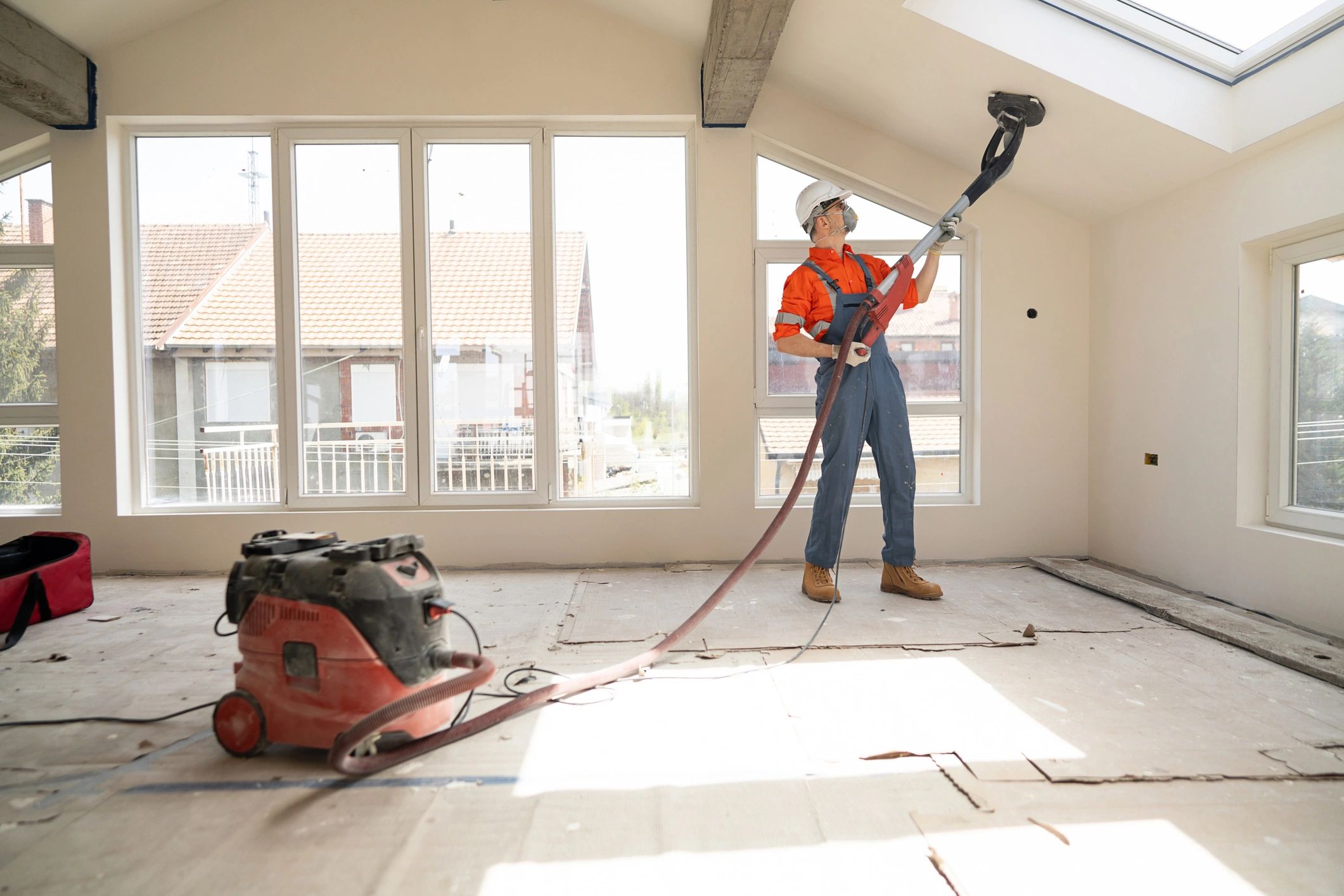
The DIY Dilemma: Knowing When to Pick Up the Tools or Call in a Pro
Homeowners across Lake County face a familiar crossroads: attempt a repair themselves or bring in a skilled handyman? With rising home maintenance costs and countless online tutorials promising quick fixes, DIY projects can seem appealing. Yet, not every leaky faucet or squeaky floor is a safe weekend endeavor. The decision hinges on several key factors—your confidence with tools, the complexity of the job, local building codes, and safety risks. In older homes common in towns like Painesville and Kirtland, outdated wiring or plumbing can turn a simple upgrade into a hazard if mishandled. Meanwhile, seasonal weather demands proper sealing and moisture control—areas where professional know-how makes a lasting difference.
This guide will walk you through practical benchmarks for deciding when DIY makes sense and when it’s wiser to call a licensed handyman. You’ll learn how to assess risk, recognize code-sensitive tasks, and avoid costly mistakes. Most importantly, you’ll gain clarity on preserving your home’s integrity while using time and budget wisely. Whether it’s installing grab bars in a bathroom or repairing a deck frame exposed to Ohio’s freeze-thaw cycles, the right choice protects both your investment and household safety.
7 DIY-Friendly Home Repairs You Can Confidently Handle Yourself
Knowing when to pick up the toolbox and when to call in a pro is key to smart home maintenance. For homeowners in Lake County and similar Midwest regions, several common household tasks are both safe and practical to tackle as DIY projects—especially when you have the right tools and a basic skill level. These jobs save money, build confidence, and keep your property in top shape between professional visits.
- Caulking Around Windows and Bath Fixtures Re-caulking prevents water damage and improves energy efficiency, especially important during Ohio’s humid summers and freezing winters. Use a utility knife and caulk remover to strip old, cracked sealant, then apply a mold-resistant silicone caulk with a caulk gun. This beginner-level task requires minimal tools and delivers big returns in moisture protection.
- Fixing a Running Toilet A constantly running toilet wastes water and increases utility bills. Most issues stem from a worn flapper or misadjusted float—both easily replaced with parts from any hardware store. No advanced plumbing skills needed, just a few minutes and a basic wrench.
- Patching Small Drywall Holes Nail holes or minor dents from furniture can be repaired with spackling compound, a putty knife, and sandpaper. After sanding smooth, a quick coat of paint blends the fix seamlessly. Ideal for renters or resale prep in older Lake County homes.
- Replacing Faucet Cartridges If a kitchen or bathroom faucet drips, the cartridge is likely worn. After shutting off the water, use an Allen wrench or screwdriver to access and replace it. This intermediate fix extends fixture life and avoids unnecessary full replacements.
- Installing Cabinet Hardware Updating knobs or pulls refreshes cabinetry instantly. Measure carefully, use a template, and drill with a handheld power drill. Even beginners can complete this cosmetic upgrade in under an hour.
- Unclogging Drains with a Plunger or Drain Snake Avoid harsh chemicals by using a plunger for sinks and showers. For stubborn clogs, a hand-operated drain snake (auger) clears blockages in under 15 minutes. Keep P-traps clean to prevent recurring issues.
- Mounting Shelves and Picture Frames Use a level, stud finder, and appropriate anchors for secure wall mounting. In older homes with plaster walls, take extra care with anchoring methods to avoid cracks. This foundational skill empowers countless other improvements.
These tasks empower homeowners to maintain their property efficiently—saving time and money while understanding their home’s needs better.
7 Home Repairs You Should Never Attempt Without a Pro
Knowing when to DIY and when to call a handyman can save you time, money, and prevent dangerous mistakes. Some home projects involve too much risk, complexity, or code compliance to tackle alone—especially in areas like Lake County, where seasonal weather changes and aging housing stock demand expert attention. Here are seven repairs best left to licensed or experienced handymen.
- Electrical Panel or Circuit Work Working with your home’s electrical system, especially near the breaker box, requires knowledge of Ohio building codes and safety protocols. Improper wiring can lead to fire hazards, tripped breakers, or electrocution. Only certified professionals should install new circuits, upgrade panels, or connect major appliances.
- Sump Pump Installation or Repair With Lake County’s high water table and humid basements, sump pumps are crucial. Incorrect placement, wiring, or discharge pipe setup can cause flooding or equipment failure. A skilled handyman ensures your pump operates efficiently during spring thaws or heavy rainstorms.
- Structural Beam or Foundation Crack Repairs Visible cracks in load-bearing beams or basement walls signal serious structural issues. Temporary patching won’t fix shifting foundations caused by freeze-thaw cycles. Pros assess the root cause and apply proper reinforcement methods to prevent long-term instability.
- Chimney or Roof Flashing Repairs Water intrusion through a damaged chimney crown or missing flashing leads to mold and rot. These elevated, weather-exposed areas require fall protection and weatherproofing expertise to seal correctly—especially before Ohio winters.
- Gas Line Adjustments or Appliance Hookups Any work involving natural gas lines—connecting a dryer, water heater, or stove—should be handled by licensed technicians. Even small leaks pose explosion risks and must be pressure-tested post-installation.
- Egress Window Installation in Basements Required for safety and code compliance, egress windows need precise framing, proper well depth, and correct ladder placement. Mistakes can compromise escape routes or cause water pooling in clay-heavy soil common in Painesville and Mentor.
- Staircase or Deck Structural Modifications Rebuilding stairs or deck supports involves weight-load calculations and code-compliant railings. In older homes, rot and rust often hide beneath surfaces, making professional inspection essential before repairs begin.
When in doubt, consult a qualified handyman familiar with Northeast Ohio’s climate and construction standards.
How to Decide: DIY or Call a Handyman? A Step-by-Step Evaluation Guide
Before picking up a tool or calling for help, use this simple four-step framework to determine whether your Lake County home project is right for DIY or needs a professional touch.
1. Assess the Time Commitment
Start by honestly estimating how many hours the job will take—including setup, execution, and cleanup. If your schedule is tight or the task spans multiple weekends, a handyman’s efficiency could save you days. Remember, professionals carry the right tools and materials, reducing delays from unexpected trips to the hardware store.
2. Break Down the True Cost
Calculate material expenses and equipment rentals, then compare that total to a typical handyman quote in Northeast Ohio. Often, what seems like a budget-friendly DIY effort ends up costing more due to mistakes, wasted supplies, or the need for emergency repairs. Consider value, not just price.
3. Evaluate Risk and Safety
Ask: Does this involve electricity, structural changes, or working at heights? High-risk tasks demand proper training and insurance. Even minor errors—like miswiring an outlet or improperly supporting a deck beam—can lead to safety hazards or costly corrections later.
4. Check Local Codes and Permits
Lake County homes, especially older ones in Painesville or Madison, may require inspections or permits for plumbing, electrical, or egress modifications. Handymen familiar with regional regulations ensure your work passes code and avoids future complications during resale.
If more than one factor raises concern, it’s time to call in a skilled pro.
When to DIY and When to Call a Handyman: Your FAQs Answered
Is DIY always cheaper than hiring a handyman?
While DIY projects can save money on labor, hidden costs like tools, materials, incorrect repairs, and time investment often make it less economical in the long run. For complex tasks—like electrical upgrades, structural repairs, or plumbing modifications—mistakes can lead to safety hazards or expensive fixes. In Lake County, where seasonal weather affects foundational stability and moisture levels, professional-grade work often proves more cost-effective over time.
How do I know if a job is safe to DIY?
Simple cosmetic fixes—patching drywall, painting, or tightening loose cabinet hinges—are generally safe for DIY. However, tasks involving gas lines, load-bearing walls, roof work, or electrical panels should always be handled by skilled professionals. If the repair requires permits or involves structural integrity, it’s best to call in a qualified handyman familiar with local building codes.
Do handymen offer warranties on their work?
Many reputable handymen provide labor warranties, typically covering repairs for 30 to 90 days. This protection reassures homeowners that the work meets quality standards. DIY projects lack this safety net, meaning future issues become your responsibility. Always ask about warranty coverage before hiring.
What about finding reliable professionals in my area?
Start by searching for “handyman services in Lake County, Ohio” to connect with local experts who understand regional challenges like freeze-thaw damage, high humidity, and aging infrastructure. Look for providers with verified reviews, clear communication, and insurance documentation.
Can a handyman handle multiple small jobs at once?
Yes—this is one of the biggest advantages of hiring a general handyman. Whether it’s repairing a deck railing in Mentor, sealing drafty windows in Painesville, or fixing loose stair treads in Willoughby, a skilled technician can efficiently manage several small tasks in one visit, saving you time and coordination effort.
Should I try DIY first and call a pro later?
Not always. Improperly attempted repairs can increase damage and repair costs. If you're unsure about the scope, tools needed, or safety requirements, consult a handyman early. Many offer low-cost assessments to determine the best path forward—saving you from preventable mistakes.
Know When to DIY—and When to Call the Experts
Deciding whether to tackle a home repair yourself or bring in a professional is more than just a cost decision—it's about long-term safety, functionality, and preserving your home’s value. While simple fixes like patching small drywall holes or tightening loose cabinet hinges can be satisfying DIY wins, other tasks demand specialized skills. Electrical wiring issues, plumbing leaks near foundations, or structural concerns like sagging floors or decks require certified knowledge, especially in Lake County’s climate where freeze-thaw cycles and humidity stress building materials.
Ask yourself: Do you have the right tools, time, and expertise to complete this project safely and up to code? If not, hiring a licensed handyman isn’t an expense—it’s an investment. Skilled professionals handle permitting, adhere to local regulations, and spot hidden problems during repairs, preventing costly repairs down the line.
Take action now:
- Inspect your home seasonally for early warning signs
- Prioritize projects by risk and complexity
- Get multiple itemized quotes for larger jobs
- Always verify insurance and references
Your home deserves trusted care. When in doubt, call a qualified local handyman to ensure the job’s done right—with safety, precision, and lasting results.